Month: January 2025

  • How To Move Up The Ladder In Your Remote Job

    How To Move Up The Ladder In Your Remote Job

    How To Move Up The Ladder In Your Remote Job - African American Businesswoman climbing career steps. Symbol of ambition, motivation, success in career, promotion.

    How To Move Up The Ladder In Your Remote Job can sometimes feel like climbing a staircase made of digital clouds—one wrong step, and you might plummet into virtual obscurity. But fear not! Remote work doesn’t have to limit your professional advancement. In fact, it opens doors for strategic growth from the comfort of your dining room table or couch. With the right combination of visibility, ongoing learning, proactive communication, and yes—even a dash of humor—you can show your team and bosses that you’re prepared to take on bigger challenges and rise through the ranks. You’ll do it all in your comfy slippers, making that success taste even sweeter.


    How To Move Up The Ladder In Your Remote Job: Introduction

    If the phrase How To Move Up The Ladder In Your Remote Job conjures up images of you in pajamas handling major projects, then you already understand one of the perks of remote work: comfort. But that cozy advantage shouldn’t lull you into complacency. Whether you’re collaborating via Slack, Zoom, or email threads, your professional reputation hinges on what you deliver, how consistently you deliver it, and how well you communicate your successes.

    Embracing the Remote Mindset

    Working remotely often means swapping the office hustle for a quieter home (or coffee shop) vibe. Yet your boss and peers still expect you to meet deadlines, solve problems, and display leadership potential. Indeed, “out of sight” should never mean “out of mind.” Seizing new tasks and responsibilities—even ones slightly outside your day-to-day—demonstrates that you’re not just willing to do the minimum. You’re pushing boundaries and showing ambition.

    The Perks… and Pitfalls

    Yes, it’s fantastic to skip traffic jams and office politics at the watercooler. But “remote” can also feel “remote” in other ways. Isolation is real, and it can lead you to wonder if you’re missing out on face-to-face moments that historically help employees bond with supervisors. That’s why it’s crucial to stay plugged into virtual communication channels and take initiative whenever you can.

    By actively contributing ideas during team calls or stepping forward for that big cross-departmental project, you’re effectively raising your hand in the digital crowd. The best part? No one can see if you’ve got coffee stains on your sweatpants—just ensure your camera captures your winning smile from the waist up!


    How To Move Up The Ladder In Your Remote Job: Mastering Visibility

    Let’s face it: How To Move Up The Ladder In Your Remote Job largely depends on how “seen” you are within your organization. No, that doesn’t mean showing off fancy office backgrounds in every Zoom call. It’s about proving that you’re reliable, proactive, and consistently adding value—qualities that managers love in any work setting.

    Show, Don’t Just Tell

    Because your physical presence isn’t in the office, you’ve got to let your output speak for itself. Complete tasks ahead of schedule. If you have performance metrics or sales targets, try surpassing them. Share weekly or bi-weekly updates with your manager (if they’re open to it) summarizing what you’ve accomplished and what’s next. This not only keeps everyone in the loop but also underscores your dedication and productivity.

    Polished Communication

    In remote environments, clarity in emails, chat messages, and video calls is king. Without body language to rely on, tone can be misread. So if you’re aiming to be humorous, keep it light—no one wants an off-color joke lingering in the company Slack channel. And whenever you start new tasks or initiatives, communicate your progress and insights. The more open you are about your workflow, the more trust you build.

    Keep Your Camera On—At Least Sometimes

    Of course, not every meeting needs your face front and center. But turning on your camera during important discussions can forge a deeper connection with your team. A friendly smile, good eye contact, and a confident posture say, “I’m here, I’m engaged, and I’m ready to contribute.” That visibility factor can be surprisingly influential when it’s time for promotions or more leadership responsibilities.


    Crowd of people standing in a pit before a white ladder. Challenge and competition concept.

    How To Move Up The Ladder In Your Remote Job: Continuous Learning

    Perhaps the most overlooked aspect of How To Move Up The Ladder In Your Remote Job is ongoing education. After all, the professional landscape—especially in tech, marketing, finance, or any field that’s predominantly online—evolves at lightning speed. If you’re not sharpening your skills, you risk being left behind.

    Explore Online Platforms and Certifications

    From Coursera and Udemy to LinkedIn Learning, there’s no shortage of digital classrooms for expanding your skill set. If your job involves coding, keep tabs on the latest frameworks. If it’s marketing, stay updated on social media algorithms. Learning opportunities are everywhere, and many are free or low-cost. Investing in these courses can position you as an asset who’s always “in the know.”

    Incorporate Learning into Your Routine

    Working remotely often blends personal and professional spaces. With that in mind, set aside specific times each week for skill-building—perhaps an hour or two before the workday starts or after it ends. That might mean reading industry blogs, watching how-to videos, or even practicing new software. The key is consistency. A small amount of learning each day can accumulate into major expertise over time.

    Share Knowledge with the Team

    Don’t keep all the newfound wisdom to yourself! If you learn a neat productivity hack or master a new tool, consider running a mini workshop for your colleagues. Not only does this help everyone, but it also cements your role as a leader and team player. Demonstrating that you’re proactive about education—and excited to share—makes you stand out in a remote environment.


    How To Move Up The Ladder In Your Remote Job: Networking with Purpose

    Ah, networking. The very word can spark images of awkward business card exchanges and forced small talk. But in the virtual world, How To Move Up The Ladder In Your Remote Job might hinge on networking that goes beyond standard LinkedIn invites and half-hearted Zoom happy hours.

    Virtual Workshops and Conferences

    Remote work has skyrocketed the popularity of online workshops, conferences, and seminars. Sign up for sessions relevant to your industry. Active participation—asking questions, engaging in Q&A sessions, or even volunteering to speak—can lead to meaningful connections. You never know which chatroom participant might be a future collaborator or even your next boss.

    Internal Networking Matters Too

    Don’t overlook your own coworkers. Cross-departmental networking can be just as beneficial as meeting someone outside your company. Introduce yourself to that colleague in marketing or finance you rarely talk to. Join virtual coffee breaks or Slack channels dedicated to interests beyond work. This fosters relationships that might open doors for new projects or roles down the road.

    Maintaining a Digital Presence

    Networking is not solely about scheduled events. It’s also about staying active in relevant forums, LinkedIn groups, or professional community sites like Slack communities or specialized industry networks. Engage thoughtfully—share insights, comment on others’ posts, and occasionally post your own perspectives. Over time, you’ll build a reputation as someone worth knowing.


    How To Move Up The Ladder In Your Remote Job: Building Remote Leadership Skills

    When it comes to How To Move Up The Ladder In Your Remote Job, leadership is often the game-changer. Even if your job title doesn’t have “manager” in it—yet—demonstrating leadership qualities can fast-track your career growth.

    Volunteer for Project Leadership

    One of the surest ways to catch decision-makers’ attention is by volunteering to lead projects, even small ones. This could be an internal initiative, a brainstorming session for a new product feature, or a company-wide event. Showcase your organizational skills, delegate tasks effectively, and remain open to feedback. If you handle it well, you’ll gain a reputation as someone who can be trusted with bigger responsibilities.

    Cultivate Emotional Intelligence

    Remote communication lacks some natural human cues, so emotional intelligence (EQ) is even more crucial. Be mindful of how your words might affect team morale—particularly over text, where tone is ambiguous. Show empathy by acknowledging colleagues’ challenges and celebrating their successes. If a coworker is juggling parental duties during a Zoom call, a supportive comment can go a long way.

    Celebrate Team Wins

    Leaders spotlight collective achievements, not just personal triumphs. Did your team smash a sales goal? Throw a virtual celebration! Is someone consistently solving tricky issues before they escalate? Give them a public shout-out. By uplifting others, you not only create a supportive remote culture but also position yourself as someone who values collaboration—a trait that upper management notices.


    How To Move Up The Ladder In Your Remote Job - Dolly shot of businesswoman in casual clothes working on laptop in roof terrace at night,Slow motion

    Cultivating a Healthy Work-Life Balance

    Beyond the official steps of How To Move Up The Ladder In Your Remote Job, you can’t ignore personal well-being. Burning out from overwork rarely leads to climbing the ladder effectively. Ironically, consistent overwork can stifle productivity, creativity, and the very ambition that got you into remote work in the first place.

    Setting Boundaries

    It’s tempting to respond to emails at all hours when your office is essentially your living space. But 24/7 availability can erode your mental health. Establish work hours, schedule breaks, and—this part is crucial—log off when the day’s done.

    Scheduling Personal Time

    Just because you’re at home doesn’t mean you shouldn’t have “me time” or “family time.” Pencil in breaks for exercise, reading, or any hobby that helps you recharge. Ironically, maintaining a solid personal routine can make you more energized, creative, and receptive to new challenges at work.

    Recognizing Your Achievements

    Remote work sometimes causes accomplishments to fly under the radar. Keep a personal journal of victories, big or small. This helps you remain aware of your growth journey and provides tangible evidence when it’s time for performance reviews or promotions.


    Handling Setbacks and Overcoming Barriers

    Even with the perfect plan for How To Move Up The Ladder In Your Remote Job, obstacles can—and often will—arise. Technical glitches, communication breakdowns, or plain misunderstandings happen in every work setup, but remote teams can be particularly susceptible.

    Embrace Conflict Resolution

    When a problem pops up—maybe a coworker misinterprets your instructions—address it head-on. Schedule a quick call to clarify. The quicker you defuse the tension, the less it escalates. If you show you can handle delicate situations calmly and diplomatically, you build trust and respect.

    Adjust and Adapt

    Remote roles can shift in scope quickly. One day you’re in charge of a small aspect; next day, you’re managing an entire initiative. If changes happen, stay flexible. Your willingness to adapt demonstrates resilience, a trait that leaders and senior managers prize highly.

    Seek Support When Needed

    If you’re feeling overwhelmed, reach out—whether that’s to a mentor, a coworker, or even a professional counselor if necessary. Taking care of your emotional and psychological health ensures you remain productive and engaged. And guess what? Asking for help is also a sign of maturity and self-awareness, vital qualities for upward career mobility.


    Final Thoughts: How To Move Up The Ladder In Your Remote Job—And Beyond

    The question, How To Move Up The Ladder In Your Remote Job, isn’t simply about snagging promotions or fancy job titles; it’s about evolving into a more skilled, confident, and fulfilled professional. Each day in a remote environment offers a chance to prove your capability, whether through mastering a new tool, refining your communication, or taking bold steps toward leadership. Embrace each challenge as an opportunity to learn, pivot, and shine.

    Remember that success stems from consistent effort, adaptability, and the ability to connect with coworkers—even through the glowing screen. By now, you’ve got a roadmap:

    • Prioritize Visibility: Be proactive about communicating accomplishments.
    • Keep Learning: Explore online courses and keep your skill set fresh.
    • Nail Networking: Both within your company and beyond, build meaningful relationships.
    • Show Leadership: Volunteer for projects and uplift your team.
    • Balance: Care for your well-being to maintain long-term momentum.

    Where can you find even more tips, tricks, and opportunities for remote work success? Legit Work at Home Jobs consistently offers some of the best information and resources out there. From job listings you can trust to advice on remote work best practices, they’ve got your back. Feel free to share your own experiences, questions, or remote work success stories in the comments—after all, we’re all in this digital frontier together!

    So go forth, conquer those Slack messages and Zoom calls with confidence. The ladder is there, and each rung is waiting for your next step. Whether you’re sporting pajama bottoms or full corporate attire, what truly matters is your drive to excel and your commitment to making remote work just as dynamic and rewarding as any traditional office role. If you don’t think this is a fit for you. You can check out my #1 recommendation to learn how I quit my fulltime job and work at home making a lucrative monthly income!

  • Shopify Full Review

    Shopify Full Review

    Shopify Full Review - Shopify Store Logo

    Shopify Unwrapped: Your All-Access Pass to Online Store Success

    If you’ve been hunting for the perfect ecommerce platform to power your online business, you’re likely buried in comparisons, feature lists, and user testimonials. Fear not! We’ve got you covered with this Shopify Full Review an informative deep-dive to help you determine if Shopify is the right fit for your entrepreneurial dreams. Get comfy, grab your favorite snack, and let’s peel back the digital curtain on this powerhouse platform.


    Shopify Full Review: A Quick Overview

    Shopify Full Review is all about shedding light on why Shopify stands out in a crowded market of ecommerce solutions. In a nutshell, Shopify is a fully hosted platform designed to help you create, customize, and manage your online store without needing a PhD in computer science. Since its launch in 2006, Shopify has grown to host millions of merchants worldwide, catering to everyone from hobbyists selling handcrafted socks to large enterprises moving thousands of products a day.

    But what really makes Shopify shine? Its extensive ecosystem of apps, themes, and integrations. Imagine walking into a giant warehouse full of tools you can use to do everything from designing a gorgeous storefront to automating shipping labels. Shopify’s got you covered there. Whether you’re a solopreneur launching your first side hustle or a well-established brand branching out, you’ll find features to suit your needs.

    Of course, no Shopify Full Review would be complete without addressing the user-friendliness factor: Shopify’s interface is generally considered intuitive, letting even the least tech-savvy among us cobble together a professional-looking store in mere hours. If you’d prefer to stick to your marketing prowess (or cat videos on social media) rather than wrestle with code, Shopify might just be the golden ticket.

    Still, every rose has its thorn, and Shopify’s got a few. Transaction fees, certain customization limitations, and monthly costs can catch some users off-guard. But before we get into the nitty-gritty, let’s talk about the core building blocks of this platform—because understanding how it works is the first step to deciding if it’s your perfect match.


    Shopify Full Review: Key Features

    Shopify Full Review wouldn’t be much of a review without highlighting the core features that set Shopify apart from the competition. After all, if you’re entrusting this platform with your beloved business, you want to ensure it’s packing the right punch. Let’s look at the main features that can turn your online store idea into a fully functioning money-maker.

    1. Store Customization

    Shopify’s Theme Store offers an array of free and premium themes. Regardless of your niche—be it eco-friendly pet toys, artisanal chocolate, or neon fanny packs—you’ll find a design that fits. Each theme is mobile-responsive, ensuring your store looks polished on any device. Beyond that, you can use the drag-and-drop editor to rearrange elements like headers, product grids, or testimonials. Want to flex your coding muscles? Shopify allows custom CSS and HTML modifications (though that might involve a bit of developer know-how).

    2. Robust App Store

    Think of the Shopify App Store as a massive digital toolbox. There’s an app for just about anything—email marketing, dropshipping, SEO optimization, live chat support, loyalty programs, you name it. While some apps are free, others come with monthly fees, so keep that in mind. This flexibility gives you the freedom to tailor your store’s functionalities without starting from scratch or hiring an expensive development team.

    3. Payment Processing

    Shopify Payments is built-in, which simplifies the checkout process for both you and your customers. No messing around with third-party gateways or complicated code. However, if you do choose an external gateway like PayPal or Stripe, note that Shopify charges additional transaction fees—something that can irk cost-conscious merchants.

    4. Inventory & Order Management

    Whether you’ve got ten items in stock or ten thousand, Shopify’s inventory system lets you track inventory levels, set low-stock alerts, and even sync across multiple sales channels like Amazon, eBay, or social media platforms. Orders are consolidated in one dashboard, making it easy to fulfill shipments, print labels, and handle returns.

    5. Marketing & SEO Tools

    Let’s face it: even the best products won’t sell if no one knows they exist. Shopify includes basic SEO features (like meta tags and editable URLs), discount code generation, abandoned cart recovery, and integration with email marketing tools. Want deeper insights into how your store is performing? Their analytics dashboard offers data on sales, traffic, and customer behavior.

    To keep this Shopify Full Review fair, we should point out that while these features are robust, advanced users might crave more granular customization. That’s where apps and developer support come in handy. The important takeaway is that Shopify provides a complete suite out of the box, letting beginners and mid-level users hit the ground running.


    Young African business owner woman prepare parcel box and standing check online orders for deliver to customer on tablet, laptop Shopping Online concept.

    Shopify Full Review: Pricing and Plans

    Shopify Full Review wouldn’t be complete without cracking open the wallet. Let’s talk numbers, because when you’re running a business, every penny counts. Shopify offers multiple plans to accommodate various budgets and business scales:

    1. Basic Shopify – Starting at a modest monthly fee, this plan is perfect if you’re just launching. You get most core features, albeit with slightly higher transaction fees and fewer staff accounts.
    2. Shopify – The “middle child” plan that offers lower credit card and transaction fees, plus more in-depth reports.
    3. Advanced Shopify – Tailored for larger businesses needing advanced reporting, international pricing, and significantly lower transaction fees.
    4. Shopify Plus – A fully customizable solution for enterprises processing massive transaction volumes. If you’re at this level, you’re likely chatting with Shopify’s sales team about custom pricing already.

    Monthly fees can appear steep if your store is only pulling in trickles of revenue at first. However, consider the cost of hosting, security, and premium support you’d pay separately if you tried to patch together an eCommerce solution from scratch. With Shopify, you get a consolidated platform, robust hosting, and a security backbone that ensures your customer data is safe.

    That said, you might also weigh whether the transaction fees are worth it compared to other platforms. For instance, using Shopify Payments cuts out extra fees, but if your business has specialized payment needs, you could see an uptick in overhead. This Shopify Full Review aims to remind you that pricing is never one-size-fits-all. For some, Shopify’s monthly cost is a no-brainer given the ROI potential; for others, there might be cheaper alternatives if you’re willing to tinker more with tech.


    Shopify Full Review: Pros and Cons

    Shopify Full Review wouldn’t be entirely honest if we only sang Shopify’s praises. Let’s lay out the good, the bad, and the occasionally baffling:

    Pros

    1. User-Friendly Interface
      Even your “I only use Facebook” aunt can figure out the Shopify dashboard. It’s clean, organized, and well-documented.
    2. Extensive App Ecosystem
      Need to add advanced analytics? Drop in an app. Want to integrate a loyalty program? App. Trying to do fancy upsells? Also, guess what—there’s an app for that.
    3. Scalable
      Whether you’re selling a few crocheted beanies or managing a global brand, Shopify can scale with you. As your store grows, you can upgrade your plan for extra features.
    4. Beautiful Themes
      Professional, mobile-optimized themes let you give your store a polished look without hiring a designer.

    Cons

    1. Transaction Fees
      If you opt for an external payment gateway, brace yourself for additional charges. This can add up for businesses with tighter profit margins.
    2. Limited Customization on Lower Plans
      Some deep-level customizations require higher-tier plans or developer expertise—especially if you want to break free from the standard layouts.
    3. App Dependencies
      While the App Store is a blessing, relying on too many third-party apps can get expensive fast and may slow down your site.
    4. Content Management
      If you’re big on blogging or long-form content, Shopify’s blog feature is decent but not as robust as a dedicated CMS like WordPress.

    In short, this Shopify Full Review highlights that while Shopify often simplifies the eCommerce experience, certain trade-offs do exist. For many, the convenience and polish outweigh the fees. For others, the open-source flexibility of competitors like WooCommerce might hold more appeal. It all depends on your priorities—do you value an all-in-one, newbie-friendly ecosystem or the freedom (and complexity) of building from scratch?


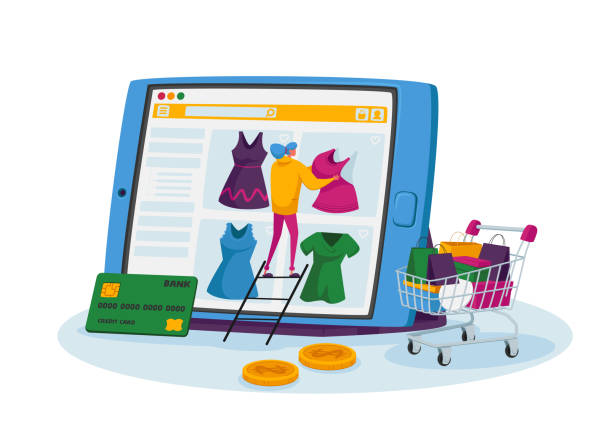
    Shopify Full Review - Online Shopping Concept. Tiny Female Customer Character Stand on Ladder Choose Dress on Huge Tablet Screen. Girl Buying Apparel Using App, Digital Purchase, Internet Store. Cartoon Vector Illustration

    Shopify Full Review: Conclusion

    Shopify Full Review ends with the big question: Is Shopify right for you? The short answer is, “It depends on your needs, your budget, and your tolerance for back-end tinkering.” If you’re brand-new to eCommerce, the platform’s seamless design tools, extensive documentation, and robust support can take you far. Intermediate users looking to scale will appreciate Shopify’s reliable hosting, POS integrations, and built-in marketing features. Even large enterprises find Shopify’s hosted solution and 24/7 support a boon, allowing them to focus more on growing sales than wrestling with server configurations.

    Before you head off to sign up, keep in mind that this Shopify Full Review should serve as a guide, not gospel. Compare your options, read user feedback, and maybe even test-drive Shopify’s free trial. The best way to judge a platform is to get your hands dirty and see if it meshes with your vision.

    Now, if you’re craving even more insights into eCommerce success (because who isn’t?), Legit Work at Home Jobs consistently provides some of the best information and resources to take your online venture to the next level. They’ve got tips, reviews, and community insights that can help you make informed decisions—whether you choose Shopify, another platform, or a totally unique route.

    A Note of Encouragement

    We’d love to hear your thoughts! Have you tried Shopify? Did you discover a hidden hack or an unexpected quirk? Maybe you’re torn between Shopify and another platform. Share your experiences, opinions, and burning questions in the comments below. After all, eCommerce is one big (digital) community where everyone can learn from each other’s victories and, yes, the occasional mishap. Sometimes, the best advice comes from real stories on the ground.

    Remember, building an online store is part adventure, part puzzle-solving, and part comedic improv—especially when your cat decides to nap on your keyboard mid-product upload. But with the right tools, resources, and a bit of humor, you’ll be well on your way to conquering the eCommerce world.


    A Quick Recap of Shopify Full Review References

    But wait, we’re not done until we emphasize just how many times we’ve hammered home “Shopify Full Review.” If you haven’t caught on by now, we’re quite serious about giving you a thorough (if slightly amusing) look into one of the internet’s most popular eCommerce platforms.

    Our mission is to arm you with real, on-the-ground information so you can determine if this platform is your stepping stone to digital fortune or if you should keep exploring. If you don’t think this is a fit for you. You can check out my #1 recommendation to learn how I quit my fulltime job and work at home making a lucrative monthly income!

    As we wrap up this Shopify Full Review, it’s worth noting that success on Shopify doesn’t happen overnight—nor is it guaranteed just by picking the “right” software. You’ll need to put in the work: building a brand, creating quality products, marketing relentlessly, and offering top-notch customer service. Even the most advanced platform can’t rescue a store with zero hustle behind it.

    Ultimately, Shopify Full Review is just a roadmap. Think of your eCommerce journey as the road trip of a lifetime, with Shopify as a trusty GPS. You’ll still have to drive the car, avoid potholes, and occasionally stop for gas (or coffee). But if you remain diligent, flexible, and open to feedback, you’ll eventually find yourself cruising down the success highway—wind in your hair (or overworked AC in your face), a smile on your lips, and that sweet “Cha-ching!” sound from each new sale our determination.

  • How to Build a Ecommerce Store

    How to Build a Ecommerce Store

    How to Build a Ecommerce Store - 3d illustration of dollar sign over house plan background with crane

    From Idea to Income: Your Beginner Guide to Building a Thriving Ecommerce Store

    If you’ve ever daydreamed about running your own online business while sipping coffee in your pajamas, you’ve probably asked yourself, “How to Build a Ecommerce Store?” The good news: it might be easier than you think—and it can even be learned for free if you know where to look. In this in-depth and somewhat entertaining guide, we’ll walk through the essentials of creating a thriving online shop, discuss some common pitfalls, and reveal how signing up as a Wealthy Affiliate University member can get you started on the right foot without breaking the bank. Ready? Fasten your seatbelt (or bathrobe belt) and let’s embark on this digital adventure together!


    How to Build a Ecommerce Store: The Basics

    How to Build a Ecommerce Store? Let’s tackle the fundamentals first. Imagine your favorite corner shop, but instead of a physical address, it has a website address. That’s your ecommerce store in a nutshell. You’ve got a brand, products or services, and a way to accept payments—plus a global customer base that never has to worry about closing time or geographical barriers.

    But wait—what exactly goes into building an online storefront that people trust and want to return to? Let’s break it down into core components:

    1. Platform Choice: Selecting the right ecommerce platform (like WooCommerce, Shopify, or other site builders) is a major decision. Do you want a user-friendly, all-in-one solution? Or are you more tech-savvy and prefer maximum customization?
    2. Domain and Hosting: Your domain name is like your digital street address. Pick something memorable and relevant to your niche. Hosting ensures your store stays accessible 24/7.
    3. Website Design: An attractive, intuitive design helps convert visitors into paying customers. Think easy navigation, clear product images, and persuasive copy.
    4. Payment Gateways: Secure options like PayPal, Stripe, or direct credit card processors. No one wants to shop at a store that feels sketchy with payments.
    5. Security Measures: SSL certificates and compliance with data protection regulations keep your customers’ personal and financial information safe.

    Don’t forget: your store can be as niche as organic pet food or as broad as a general marketplace for art. The key is to offer real value and a brand personality that resonates with buyers. If that means sprinkling in a bit of humor, all the better—especially if you can make yourself stand out in a sea of lookalike online stores.


    E-Commerce banner and icons

    How to Build a Ecommerce Store: Tools and Platforms

    How to Build a Ecommerce Store?” also means deciding which tools and platforms to rely on. To succeed in the online space, you need more than just a website—you need to harness the power of technology to streamline your operations.

    1. Shopping Cart Software

    You’ll want a reliable shopping cart that seamlessly integrates with your site. This handles product listings, inventory management, and the checkout process. Some popular carts come bundled with platforms like Shopify, while others—like WooCommerce—run as plugins on WordPress sites.

    2. Content Management System (CMS)

    WordPress is a giant in the CMS realm, but there are others like Joomla and Drupal. A CMS can simplify adding new products, blog posts, and updates. Whether you choose a fully hosted platform or a self-hosted solution, aim for something you’re comfortable navigating.

    3. Email Marketing Services

    Building an email list is vital for staying connected with customers. Services such as MailChimp, GetResponse, or AWeber help automate newsletters and promotional campaigns. This keeps your buyers in the loop about new products, sales, or special offers.

    4. SEO and Analytics

    A store without traffic is like throwing a party and forgetting to invite guests. Tools such as Google Analytics, Ubersuggest, and SEMrush give insights into where your visitors come from, how they behave, and what they like. This data helps refine your marketing strategies over time.

    5. Wealthy Affiliate University’s Free Training

    Here’s the real kicker: you can discover “How to Build a Ecommerce Store?” for free by leveraging training programs such as Wealthy Affiliate University. Their platform offers step-by-step lessons on everything from niche selection to branding to driving organic traffic through SEO. Rather than wading aimlessly through YouTube tutorials, you can follow a structured curriculum, ask questions, and get real-time feedback from seasoned pros. It’s a game-changer for beginners who prefer a clear roadmap to success rather than trial-and-error guesswork.


    How to Build a Ecommerce Store: Marketing 101

    How to Build a Ecommerce Store? Even the best products won’t move off your digital shelves if no one knows they exist. That’s where marketing swoops in like a superhero (cape optional). Let’s look at a few tried-and-true strategies:

    1. Search Engine Optimization (SEO)
      SEO is the process of optimizing your store so it ranks high in search results for relevant keywords. If your niche is “vegan dog treats,” you’ll want to craft content that resonates with pet owners searching for cruelty-free, plant-based goodies. By understanding buyer intent, using meta tags, and focusing on quality content, you’ll slowly build organic (and free) traffic.
    2. Social Media Promotions
      Platforms like Instagram, Facebook, Pinterest, and TikTok provide amazing opportunities to showcase your brand personality. High-quality visuals, user-generated content, and engaging stories can convert scrollers into followers—and eventually, buyers.
    3. Content Marketing
      Consider starting a blog or a video channel that offers tips, tutorials, or stories around your product niche. If your store sells homemade candles, for instance, you might publish an article on “Candle Safety 101” or “DIY Décor Tips with Scented Candles.” This positions you as an expert, builds trust, and directs traffic back to your store.
    4. Paid Advertising
      If you have the budget, platforms like Google Ads and Facebook Ads can fast-track your visibility. The key is to target the right audience so your ad spend yields conversions, not just clicks.
    5. Affiliate Partnerships
      You can even recruit others to spread the word by starting your own affiliate program. By offering a commission for each sale they generate, you effectively incentivize bloggers and influencers to promote your products.

    All of these strategies are thoroughly explained and demystified within Wealthy Affiliate’s training modules, which can be a lifesaver if you’re worried about going full Mad Scientist on marketing experiments.


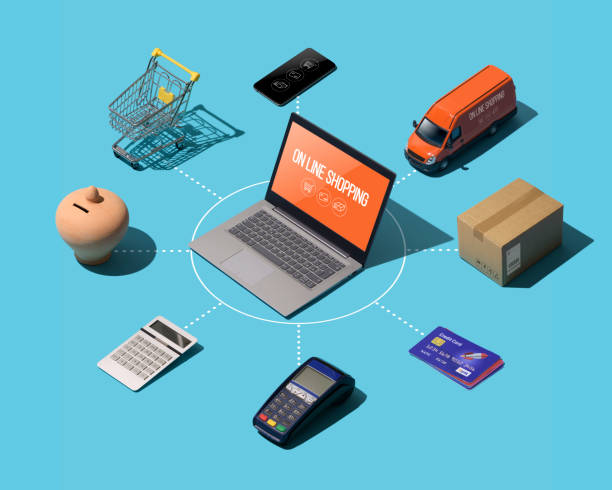
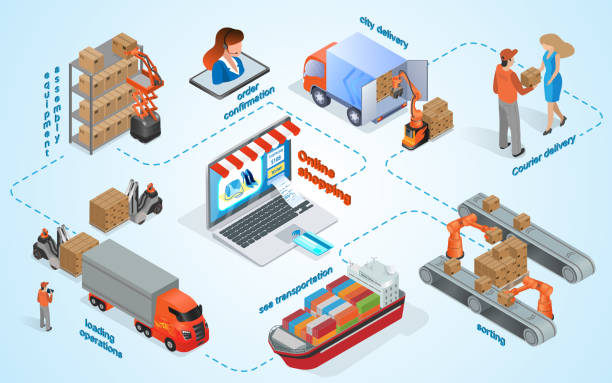
    How to Build a Ecommerce Store - Online shopping, payments, and express delivery concept with isometric objects

    How to Build a Ecommerce Store: Pitfalls to Avoid

    You’re revved up and excited to answer the question, “How to Build a Ecommerce Store?” But success doesn’t come without a few cautionary tales. Let’s keep you from crashing into the digital ditch:

    1. Trying to Sell Everything Under the Sun

    Being a “jack of all products” can leave you buried in inventory and overshadowed by bigger fish. Instead, find a niche you’re passionate about or skilled in. Specializing helps you stand out and build authority.

    2. Neglecting Customer Service

    With so many online stores, a single bad experience can scare customers away—often permanently. Respond promptly, solve problems with empathy, and go above and beyond to retain loyalty. Happy customers are your best brand ambassadors.

    3. Underestimating Shipping & Handling

    Shipping can become your Achilles’ heel if you don’t factor in costs, carriers, and delivery times. Whether you choose dropshipping or handle inventory yourself, clarify shipping rates and times at checkout to avoid nasty surprises (for you or your customers).

    4. Ignoring Mobile Optimization

    A significant chunk of online shoppers browse and buy on their phones. If your store isn’t mobile-friendly, you might as well hang a “closed” sign for half your potential audience.

    5. Skipping Analytics

    Digital data is gold. Without analytics, you’re blind to what’s working and what isn’t. Implement and review your metrics regularly to make informed decisions, whether it’s changing the color of your “Buy Now” button or revisiting your entire marketing approach.


    Wealthy Affiliate University Logo

    How to Build a Ecommerce Store: Free Training with Wealthy Affiliate

    Now, you might be thinking, “Wait a second—where do I find all the knowledge needed for ‘How to Build a Ecommerce Store?’ for free?” Enter Wealthy Affiliate University, a platform that offers step-by-step training geared toward affiliate marketers, bloggers, and aspiring eCommerce entrepreneurs.

    Why Wealthy Affiliate?

    1. Comprehensive Lessons: They start from the basics—like choosing a niche and setting up a WordPress site—and move into advanced topics like content optimization and email marketing.
    2. Community Support: The platform boasts an active community that’s always ready to answer your questions, troubleshoot, or even just cheer you on. You’ll find newbies and seasoned marketers alike, creating a balanced and supportive environment.
    3. Tools & Hosting: Wealthy Affiliate’s premium membership includes web hosting, domain services, and research tools that help you pick winning keywords for SEO-driven traffic.
    4. Structured Learning Path: Tired of random YouTube rabbit holes? Wealthy Affiliate offers organized courses so you can follow a clear path from zero to hero in the affiliate or eCommerce space.
    5. Free Starter Option: Yes, you can sign up for a free starter account to sample the training, build a site, and gauge whether the platform suits your style. If you like it, you can upgrade to unlock more advanced features.

    Here’s the kicker: while they focus heavily on affiliate marketing, the foundation you learn—website building, content creation, SEO, etc.—is directly applicable to any ecommerce venture. So, if you’re serious about discovering “How to Build a Ecommerce Store?Wealthy Affiliate University can be your launchpad.

    How to Build a Ecommerce Store - Wealthy Affiliate Free membership sign up.

    Bringing Humor into the eCommerce World

    Let’s pause for a comedic intermission. When you’re consumed by building your store, it’s easy to stress out over site metrics, shipping logistics, and marketing campaigns. Take a step back and imagine if your site were a real store: instead of a sales rack, you’d have a “clearance corner” full of questionable items from 2005. Or picture the awkward small talk you’d have with every customer who walks in. Online, fortunately, you can focus on clear product descriptions and the occasional witty pun in your marketing material—much easier than forced social interactions (hello, introverts!).

    Humor can actually be a brilliant branding tool. A quirky tagline or a funny product description helps your store stand out in a crowded market. Just make sure your comedy doesn’t overshadow the actual offering—no one wants to scroll through a stand-up routine to find the “Add to Cart” button!


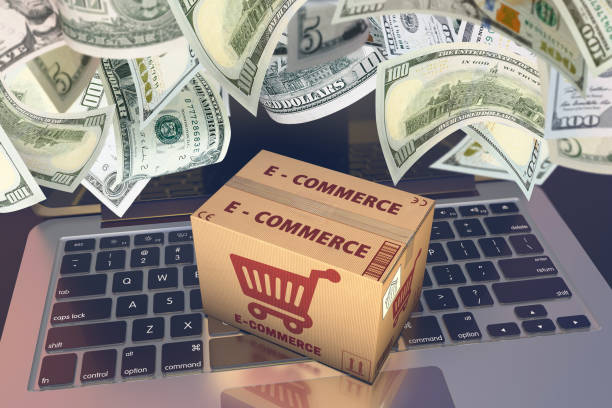
    A picture of an e-commerce shipping box on top of a laptop with money raining down.

    Beyond the Basics: Expanding Your Empire

    1. Upselling & Cross-Selling
    Once you’ve nailed “How to Build a Ecommerce Store?”, don’t forget to maximize each sale. Offer complementary products (cross-selling) or premium versions (upselling) to boost your average order value.

    2. Building Trust & Credibility
    Show off customer reviews, endorsements, or even press mentions if you have them. People want reassurance that your store is legit, especially if they’ve never heard of you before.

    3. Niche Authority
    Try to become the go-to resource in your niche. Publish helpful content, answer customer queries in detail, and keep your product range updated. If you gain a reputation for expertise, you can become the “Starbucks” of your domain—recognizable and trustworthy.

    4. Diversification
    Once your store is stable, consider branching out into adjacent niches or launching new lines. If your store sells yoga accessories, maybe you expand into activewear or healthy living eBooks. Just ensure each expansion aligns with your brand’s identity.

    5. Building a Community
    Encourage user-generated content—like reviews, photos, or even how-to videos featuring your products. A engaged community can do half your marketing for you. Platforms like Facebook Groups or Discord servers can help you cultivate a sense of belonging among customers.


    How to Build a Ecommerce Store - Small business, woman and tablet for e commerce, startup and inventory management of online shop, order or courier. Entrepreneur or Indian seller on digital technology for logistics, boxes or package

    Handling Growth and Scaling

    You followed the steps, you learned “How to Build a Ecommerce Store?”, and now—congratulations!—you’re seeing orders roll in. With more sales come new challenges:

    • Inventory Management: Do you keep stock in your garage, outsource to a fulfillment center, or use dropshipping? Each approach has pros and cons, so plan for the future.
    • Customer Service Upgrades: As your customer base grows, you might need a helpdesk software or a team of dedicated support reps.
    • Brand Partnerships: Collaborations with influencers or even other brands can expose you to new audiences. Look for people whose brand values align with yours.
    • Automation: Invest in apps and software that streamline repetitive tasks, from tracking shipments to sending out newsletters. Automation frees you up to focus on strategy and expansion.

    Scaling isn’t just about bigger profits; it’s about maintaining quality and consistency while you grow. A shaky foundation can topple if you add too many layers too quickly.


    Sneaky Tip: Balancing Work and Life

    Being your own boss is amazing—no corporate cubicle, no rigid hours, no middle manager breathing down your neck. But it can also blur the lines between “work” and “free time.” You might find yourself checking sales at 2 AM or rewriting product descriptions during what should be a family game night.

    Set boundaries: schedule your work hours, and use productivity tools or even the old-school technique of a to-do list. Once you have a routine that works, you’ll find you can run your store and still enjoy a Netflix marathon guilt-free (or get that well-deserved eight hours of shut-eye).


    Digital marketing concept, Businessman using laptop with Ads dashboard digital marketing strategy analysis for branding. online advertisement, ad on website and social media. SEO. SMM.

    But is “How to Build a Ecommerce Store?” Rocket Science?

    Actually, no. You don’t need a doctorate in computer engineering or a bag of secret sauce. With platforms like Wealthy Affiliate, you can systematically learn “How to Build a Ecommerce Store?” step by step. Master the basics, develop a unique brand identity, engage in consistent marketing, and watch your dream become a reality.

    Of course, it’ll take dedication. You’ll need to create content, manage products, and solve daily hurdles. But it’s a lot more satisfying than, say, dealing with bumper-to-bumper traffic during rush hour. You’re creating something of your own—an entrepreneurial odyssey. And with the right training and community support, you can turn your passion into profit.


    Conclusion: The Roadmap to Your Online Success

    Let’s circle back one last time: “How to Build a Ecommerce Store?” You begin with choosing your niche, setting up on a reputable platform, and focusing on marketing strategies that align with your brand. Along the way, you can expedite your learning curve by leveraging the free and premium training at Wealthy Affiliate University—a resource hub that not only answers the question ” How to Build a Ecommerce Store?” but also guides you toward a successful, sustainable online business model.

    For anyone hungry to learn more, Legit Work at Home Jobs consistently curates some of the best information and resources, making your path to eCommerce stardom even clearer. Now, I’d love to hear from you. (Yes, you reading this in your comfy pajamas!) What challenges are you facing in starting an online store? Have you had any funny mishaps or triumphs? Let us know in the comments below—we’re all in this together, learning and growing day by day.

    How to Build a Ecommerce Store might seem intimidating at first, but once you start, you’ll find the path is filled with learning opportunities, supportive communities, and maybe even a few comedic moments. So go ahead—dip your toes, or do a full cannonball, into the world of eCommerce. Your entrepreneurial future awaits!

  • What is a Ecommerce Website?

    What is a Ecommerce Website?

    From Pajamas to Profits: Your Must-Know Guide to eCommerce Websites

    What is a Ecommerce Website? - Women using laptop shopping online with cart icons with a virtual interface shipping global network connection, online shopping, and e-commerce concept.

    Welcome, dear reader, to this exciting and exploration into the world of online business! You might be wondering right off the bat, What is a Ecommerce Website? Well, in the simplest terms, it is your digital storefront—your corner of the internet where you can buy and sell goods or services from anywhere in the world. Think of it as the modern marketplace minus the squeaky shopping carts and faint smell of cinnamon pretzels from the mall. Buckle up, because we’re diving deep into the history, benefits, challenges, and future of eCommerce. By the end, you’ll be ready to launch your own online empire—or at least impress folks at parties with your knowledge of all things digital commerce.


    What is a Ecommerce Website?

    When people ask, “What is a Ecommerce Website?”, they’re referring to any site that allows for commercial transactions of goods or services over the internet. These might be physical products, like the fancy coffee mugs you forgot to add to your holiday wishlist, or digital products, such as eBooks, online courses, or software subscriptions. eCommerce has skyrocketed in popularity because it’s convenient, borderless, and available 24/7. No more racing to get to a physical store before closing time, or rummaging through your wallet for a loyalty card. Instead, a few clicks, a quick payment, and boom—your product is on the way.

    In short, What is a Ecommerce Website? It’s an entire ecosystem, built with technology, that allows businesses—big or small—to reach customers globally, often with far fewer overhead costs than traditional brick-and-mortar operations. Instead of renting a building on Main Street, you can build a digital storefront on your laptop from the comfort of your couch. Anyone else picturing themselves in pajamas with a trusty cup of coffee, conquering the world? Because that’s what eCommerce often looks like behind the scenes!


    What is a Ecommerce Website? The Early Days

    You might be thinking, “Wait a minute, we’ve asked this before: What is a Ecommerce Website? But how did this all get started?” Great question. Let’s step into our digital time machine. eCommerce didn’t just pop up overnight—its roots can be traced back to the early days of the internet. Believe it or not, one of the first online transactions took place in the 1970s, when students at Stanford and MIT used the ARPANET to arrange something suspiciously similar to a small purchase of, shall we say, ‘herbal’ products. That story, while entertaining, shows that as soon as people realized they could move data around, they wanted to move products, too.

    Fast forward to the 1990s—an era of dial-up modems, neon windbreakers, and questionable hairstyles—and you’ll find the birth of big players like Amazon and eBay. Suddenly, you could buy a used CD, a vintage lunchbox, and a rare collectible figurine with just a few keystrokes. The seeds of modern eCommerce were planted, and the rest is history, or should we say, “money in the digital bank.”


    Digital marketing concept, Businessman using laptop with Ads dashboard digital marketing strategy analysis for branding. online advertisement, ad on website and social media. SEO. SMM.

    What is a Ecommerce Website? Key Components

    So, you ask again (because repetition is the mother of learning), “What is a Ecommerce Website?” Another angle is to look at what it’s made of. While the front page of a store may just show a big ‘Shop Now’ button, a fully-fledged eCommerce site is actually a sophisticated synergy of multiple components.

    1. Web Hosting & Domain
      This is the plot of virtual land where your store stands and the address people type in to visit. Just like you’d have a physical address in the real world, your eCommerce website has a domain name (like yourbrandname.com).
    2. Product Catalog & Inventory Management
      Every item or service you offer is stored in a catalog, which might include pictures, descriptions, prices, and variations. Inventory management tools keep track of what’s in stock so you don’t accidentally sell 1,000 red socks when you’ve only got 20.
    3. Shopping Cart & Checkout
      Where the magic happens! This is the digital shopping cart that collects your items and processes your payment. Secure checkout systems handle transactions and help ensure no one’s credit card info ends up where it shouldn’t.
    4. Payment Gateways
      Think PayPal, Stripe, or Authorize.net. Payment gateways handle the nitty-gritty of encrypting financial data, verifying transactions, and transferring money from customer to business. They’re like the invisible bouncers of your online store.
    5. Shipping & Fulfillment
      Once you’ve got an order, it needs to get from point A to point B. Many eCommerce businesses partner with logistics providers or choose drop-shipping models to skip the dreaded “box warehouse in your garage” scenario.
    6. Security & Privacy
      Because you’re dealing with sensitive customer information, you need SSL certificates, data encryption, and compliance with regulations like GDPR or CCPA. No one wants to shop in a store riddled with security holes.

    What is a Ecommerce Website? Benefits & Advantages

    Alright, we’ve answered the question multiple times, “What is a Ecommerce Website?,” but let’s delve into why people love eCommerce so much. Here are some noteworthy advantages:

    1. Convenience

    eCommerce never sleeps. While you’re binge-watching your favorite show at 2 AM, a shopper across the globe might be adding items to their cart. This around-the-clock convenience is especially handy for busy folks who don’t have time to visit physical stores.

    2. Global Reach

    Say goodbye to local boundaries. With an eCommerce site, a mom in London can buy handmade jewelry from a craftsperson in Brazil. The entire planet becomes your customer base, provided you can handle the shipping and marketing.

    3. Lower Operating Costs

    Compared to renting or buying a physical storefront, the cost of setting up an online shop is often much lower. Sure, you’ll invest in a good website, some marketing, and product development, but you won’t be paying for a massive building or employing an army of store associates.

    4. Personalized Customer Experience

    With analytics and tracking tools, you can personalize promotions based on browsing behavior, purchase history, and more. Didn’t you wonder how those targeted ads are always weirdly on point?

    5. Scalability

    eCommerce platforms make it easy to scale up when your business starts booming. Maybe you begin by selling a small range of T-shirts, then expand into hoodies, hats, or even a subscription box for that monthly dose of comfy fashion. Online platforms are flexible and can grow with you.


    What is a Ecommerce Website? - Startup small business SME, Entrepreneur owner woman using smartphone or tablet taking receive and checking online purchase shopping order to preparing pack product box.

    The Lighter Side of eCommerce

    Before we continue, let’s lighten the mood with a little comedic relief:

    • Return Policies: Have you ever bought something online at 3 AM you regretted the next morning? Fear not—most eCommerce sites have flexible return policies for your impulsive, half-asleep, or caffeine-fueled purchases.
    • Online Shopping Sprees: We’ve all gotten that adrenaline rush from clicking “Buy Now.” Some of us have that recurring nightmare about the credit card statement, but hey—what’s life without a little risk?

    Obstacles & Pitfalls of Running an eCommerce Store

    Yes, eCommerce is awesome, but it’s not all digital sunshine and roses. Here are a few pitfalls to watch out for:

    1. Shipping & Logistics Challenges
      Did you know that shipping costs can quickly eat into your profit margins? If you’re shipping internationally, you may have to navigate customs forms, duties, and taxes. That fancy coffee mug you sold to a customer in Switzerland might arrive after a snail-paced journey across the globe.
    2. Website Downtime
      Imagine your store having a digital meltdown on Black Friday, one of the biggest shopping days of the year. Eek! Reliable hosting and robust architecture are crucial to avoid those dreaded “404 Error” messages.
    3. Security Threats
      Online stores are prime targets for hackers looking to steal credit card numbers or personal information. Investing in cybersecurity measures is a must. If customers don’t trust your store, they’ll flee faster than cartoon characters chasing after an ice cream truck.
    4. Intense Competition
      Because it’s relatively easy to start an online store, you might face a mountain of competitors. Differentiating yourself—through a unique brand identity, creative marketing, or exceptional customer service—can be the key to standing out in a crowded market.
    5. Customer Trust & Reviews
      On the internet, everyone can be a critic. Negative reviews can spread like wildfire on social media. Offering stellar customer service and actively managing your online reputation is crucial for maintaining positive vibes around your brand.

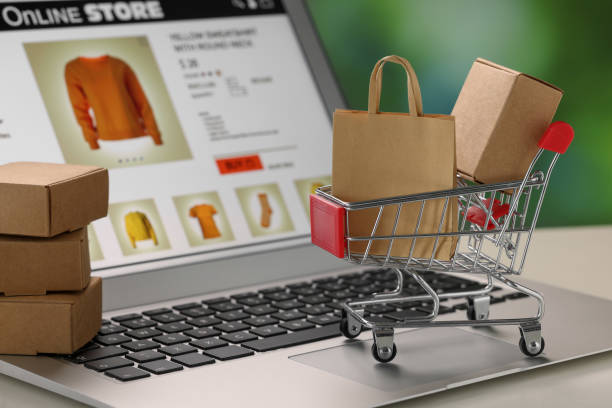
    Mini shopping bag, boxes and cart on laptop, closeup. Online store

    Types of eCommerce Business Models

    Even though we’ve hammered home, “What is a Ecommerce Website?”. Not all eCommerce sites are created equal. Here are a few major categories:

    1. B2B (Business-to-Business)
      Here, businesses sell products or services to other businesses. Think wholesale suppliers, software solution providers, or manufacturers.
    2. B2C (Business-to-Consumer)
      This is the classic Amazon or Walmart.com model, where businesses sell directly to the general public. It’s probably what you picture most often when you think “online shopping.”
    3. C2C (Consumer-to-Consumer)
      Platforms like eBay or Etsy can fall under this category, where individuals sell to other individuals. It’s like a digital flea market—a place to turn your old vinyl records into someone else’s treasure.
    4. C2B (Consumer-to-Business)
      In this less common setup, individuals sell products or services to businesses. Think of a social media influencer licensing a photo or a freelance web designer building a company’s website.
    5. D2C (Direct-to-Consumer)
      Brands skip the usual retail or wholesale route and sell directly to you. Many new, trendy companies adopt this model to offer specialized goods and keep more control over branding and margins.

    Essential Marketing Strategies for eCommerce Success

    If you want your store to blossom, you can’t just build a site and hope the internet’s magic elves do the rest. Marketing is essential for attracting the right customers. Here are some top strategies:

    1. SEO (Search Engine Optimization)
      Because if your store doesn’t pop up on Google’s first page, does it really exist? A strong SEO strategy involves relevant keywords, quality content, and technical optimization.
    2. Content Marketing
      Blogs, videos, podcasts—oh my! Providing valuable content around your niche can reel in potential customers and keep them coming back.
    3. Email Marketing
      Want to turn potential customers into loyal fans? Offer a newsletter or exclusive deals. Everyone loves a good sale, and email is the perfect vehicle to deliver tempting promotions.
    4. Social Media Advertising
      You can target your ads to specific demographics, interests, or even lookalike audiences. That means your crocheted cat sweaters will appear right in front of people who love both cats and crocheted sweaters. Genius, right?
    5. Influencer Collaborations
      Partner with individuals who have large followings in your niche. An endorsement from a popular influencer can translate into instant traffic and credibility.

    What is a Ecommerce Website? - Asian woman and man online seller prepare parcel box and check orders of product for deliver to customer. Couple e-commerce business owner holding packages in store warehouse, online shopping concept.

    A Day in the Life of an eCommerce Entrepreneur

    Let’s pause from the formalities and paint a picture of the typical day for someone who owns an eCommerce site:

    • 7:00 AM: Roll out of bed, check phone to see overnight orders (and try not to spill your morning coffee when you see those sweet sale notifications).
    • 9:00 AM: Hop onto your store’s dashboard to update inventory levels, respond to customer inquiries, and maybe tweak a product listing.
    • 11:00 AM: Dive into marketing mode. Schedule some social media posts, write a quick blog, or brainstorm your next promotional campaign.
    • 2:00 PM: Lunch break? Hah! You realize you forgot to reorder packaging supplies, so you scramble to avoid running out.
    • 5:00 PM: Analyze your store metrics—traffic, conversions, average order value. You notice a spike in traffic from Australia—time to consider adding a shipping option there!
    • 7:00 PM: Relax with Netflix… or not. Because your phone pings every time a new order comes in, and you’re secretly addicted to that sound of digital cha-ching.

    This day-in-the-life snippet showcases both the flexibility and the challenges. You can work from anywhere, but sometimes that means you work everywhere—on the go, in your bedroom, or even while theoretically “on vacation.”


    What is a Ecommerce Website?: The eCommerce “CEO” Title

    One of the funniest quirks about running an online store is how easily you can call yourself a CEO. You might just be selling customized socks from your spare room, but hey—it’s your brand, so by all means, call yourself “Chief Sock Officer.” Because in the world of eCommerce, big titles often mask the reality: you’re the entire staff—marketing, product development, customer support, shipping, even janitorial if your “warehouse” is your messy living room. But that’s part of the charm!


    A man lies on a sofa using his smartphone and a credit card for online shopping, viewing a discount ad. The scene conveys relaxation, technology use, and digital commerce convenience.

    Practical Tips & Tools for eCommerce Beginners

    1. Choose the Right Platform
      Shopify, WooCommerce, BigCommerce—there’s no shortage of eCommerce platforms. Research their fees, integrations, and ease of use to find the best fit.
    2. Optimize for Mobile
      Most online shoppers browse on their phones. A slow or clunky mobile experience is a recipe for cart abandonment.
    3. Offer Excellent Customer Service
      Respond quickly, be polite, and go the extra mile. Surprise your customers with small gestures, like personalized thank-you notes.
    4. Diversify Your Marketing Channels
      Don’t rely solely on one platform or ad strategy. If an algorithm changes, you might see your traffic plummet overnight.
    5. Test & Track
      Use A/B testing for product pages, email subject lines, and ads. Track everything—data is your friend, and it tells you what works and what definitely doesn’t.

    What is a Ecommerce Website? - Set business goals for 2025, businessman holds up arrow charging graph Show business growth with text 2025, implementation of business goals plan, development to achieve prosperity and success.

    Future of eCommerce

    It’s safe to say eCommerce is here to stay, and it’s evolving faster than the cast of a popular TV show. Some trends to watch for include:

    • Voice Commerce: Ordering items by talking to your voice assistant. “Hey device, order me more cat litter!”
    • Augmented Reality (AR): Virtually try on clothes or see how furniture looks in your living room before you buy.
    • Cryptocurrency Payments: As digital currencies become more mainstream, expect more online stores to accept crypto.
    • Automation & AI: Chatbots, automated inventory alerts, and personalization that can guess what you’ll buy before you even know you want it.

    Conclusion: Why “What is a Ecommerce Website?” Matters for Your Future

    You’ve made it this far, so let’s revisit the question one last time. What is a Ecommerce Website? It’s an opportunity, What is a Ecommerce Website? It’s a digital storefront open to the entire planet, What is a Ecommerce Website? It’s a vital component of modern business, What is a Ecommerce Website? It’s a chance for anyone—from a solo entrepreneur to a massive corporation—to connect with customers like never before.

    If you’re excited to dive deeper, Legit Work at Home Jobs provides some of the best information and resources to help you get started or improve your eCommerce game. Whether you’re dreaming about building a thriving online store or just want to earn a little side income by selling custom T-shirts, the possibilities are endless.

    Don’t let the technical details or startup costs deter you—many eCommerce pros started with a humble website and a single product. If you don’t think this is a fit for you. You can check out my #1 recommendation to learn how I quit my fulltime job and work at home making a lucrative monthly income!
    Now it’s your turn: What are your thoughts on eCommerce? Do you have success stories, hilarious online shopping fails, or burning questions about the best platform to use? Drop a comment below—we’d love to hear your insights, anecdotes, and advice. By sharing our experiences, we can all learn and grow in this ever-changing digital landscape. Your idea might spark the next big eCommerce sensation!

  • Top Dropship Companies

    Top Dropship Companies

    Claim for an international transport agency.

    Bye-Bye Inventory, Hello Profits: The Top Dropship Companies You Need to Know

    If you’ve ever daydreamed about running a thriving online store from the comfort of your favorite armchair—coffee in hand, cozy pajamas on, and the cat napping by your feet—you’re not alone. E-commerce has exploded in recent years, and more people than ever are experimenting with new ways to break into the digital marketplace. One of the hottest methods? Partnering with the Top Dropship Companies to streamline your operations and minimize upfront costs. But what does that actually mean? Essentially, dropshipping lets you offload much of the logistical hassle—like inventory storage and order fulfillment—onto a third party. That frees you up to focus on sales, marketing, and building your brand. And, spoiler alert: you don’t even need a warehouse full of boxes to get started! In this post, we’ll explore everything you need to know about the Top Dropship Companies in today’s fast-paced world of online business, sprinkling in a touch of humor to keep things entertaining. Ready to dive in? Let’s go!


    1. Top Dropship Companies: Setting the Scene

    If you’ve ever found yourself frantically Googling, “Where can I find a supplier who’ll handle all this complicated order stuff for me?” then you’ve already ventured into the realm of Top Dropship Companies.
    But with so many options, it can feel like trying to pick a favorite dessert from a massive menu—cheesecake, ice cream, brownies, or crème brûlée? Tough choices, right? Let’s break down the basics so you can decide which “dessert” (i.e., which dropship partner) works best for your entrepreneurial appetite.

    Why Dropship in the First Place?

    • Low Overhead: Instead of buying products in bulk, you only purchase items once a customer has already placed (and paid for) an order in your store. This drastically cuts down on initial startup costs.
    • Less Logistical Headache: You don’t have to deal with packing, shipping, or storage. The Top Dropship Companies handle that for you, saving precious time and effort.
    • Flexibility: Want to pivot from selling dog collars to trendy phone cases? With dropshipping, it’s easier to switch niches or experiment with new product lines without being left with unsold inventory.

    E-commerce Platforms vs. Supplier Directories

    One common question newbies ask is how to get started. You can pick an e-commerce platform like Shopify or WooCommerce and then integrate with a dropship solution that suits your niche. Alternatively, you might explore a supplier directory (e.g., SaleHoo) that helps you find vetted wholesalers and specialized product makers. The key is to marry a robust online storefront with the best Top Dropship Companies for the job, ensuring that your store runs like a well-oiled machine (or at least like a decently lubricated bicycle).

    The Comfort of Automation

    Dropshipping’s big selling point is convenience. The more you can automate—importing product listings, updating inventory in real time, and sending orders to suppliers—the easier it becomes to scale your business. Many of the Top Dropship Companies offer integration tools that sync right up to your store, so you’re not stuck copying and pasting order details at 2 a.m. while your eyes beg for coffee.


    Dropshipping,delivery service concept

    2. Top Dropship Companies for Beginners

    Just starting out? You’re likely grappling with everything from store design to marketing strategies—and maybe you’re also battling a severe case of imposter syndrome. (“Am I really cut out to run a business?” Spoiler: Yes, you are!) The good news is that plenty of Top Dropship Companies cater specifically to beginners, offering user-friendly tools and step-by-step guides.

    Spocket

    • Why It’s Great for Newbies:
      Spocket focuses on suppliers from the United States and the European Union, which typically means faster shipping times. Quick shipping can lead to happier customers and reduce the dreaded “Where is my package?” emails.
    • Highlights:
      • Real-time inventory updates
      • High-quality product selection
      • Simple integration with platforms like Shopify and WooCommerce

    For first-timers, shorter shipping times can be a lifesaver when you’re trying to build positive reviews and repeat buyers.

    DSers

    • What’s the Deal?
      If you were around for the heyday of Oberlo, DSers basically stepped in as a top-order management tool for AliExpress suppliers after Oberlo retired.
    • Beginner-Friendly Features:
      • Automated price updates
      • Bulk order processing
      • Multiple store management

    DSers remains one of the Top Dropship Companies for entrepreneurs who want to dip their toes into the vast ocean of AliExpress products without drowning in manual tasks.

    SaleHoo

    • Directory Overload (In a Good Way):
      Instead of just hooking you up with a single supplier, SaleHoo acts as a massive directory of thousands of wholesalers and dropshippers. Each is vetted, helping minimize the risk of hooking up with shady or unreliable vendors.
    • Beginner-Friendly Goodies:
      • Market research tools
      • Buyer feedback and ratings for suppliers
      • Friendly customer support

    If you’re still exploring your options and haven’t settled on one niche yet, SaleHoo gives you the broadest buffet of potential products and suppliers.


    3. Top Dropship Companies for Print-on-Demand

    Got a knack for design? Maybe you’ve doodled some snarky catchphrases you’d love to slap on T-shirts, tote bags, or mugs. Print-on-demand (POD) might be your bread and butter. This model allows you to offer customized merchandise without stocking any physical inventory. Let’s look at the Top Dropship Companies specializing in POD magic.

    Printful

    • Why Designers Love It:
      Printful handles everything from printing to packaging to shipping, all under your brand’s name. You can even include personalized pack-ins or custom labels to give your store a high-end vibe.
    • Best Features:
      • High-quality prints
      • A user-friendly mock-up generator
      • Integration with Shopify, WooCommerce, Etsy, and more

    Printify

    • What Sets It Apart:
      Unlike Printful, which handles printing in-house, Printify connects you to a network of different printing partners. This can help you find better rates or faster shipping times depending on your customers’ locations.
    • Awesome Perks:
      • Wide selection of products (T-shirts, hoodies, stickers, home décor)
      • Competitive pricing thanks to multiple printer options
      • Straightforward design tools

    If you’re diving into the creative side of e-commerce, Printful and Printify are often cited as two of the Top Dropship Companies for the POD business model. Just be sure your designs are actually good enough to capture an audience—no one wants to buy another generic “Live, Laugh, Love” T-shirt unless you’re ironically parodying it.


    3D Visual Design of dropshipping boxed on a laptop with online shopping on the screen.

    4. Top Dropship Companies for Global Reach

    What if your dreams are bigger than serving just your local region? Perhaps you want your brand to resonate in the U.S., the U.K., Australia, and beyond. In that case, certain Top Dropship Companies excel at shipping worldwide or maintaining warehouses around the globe, which shortens delivery times for international customers.

    CJdropshipping

    • Worldwide Warehouses:
      CJdropshipping stands out with its multiple warehouses spread across different continents. This network cuts down on shipping times and can reduce the risk of lost packages.
    • Extras:
      • Private labeling and product branding
      • Product photography services
      • Detailed inventory management

    For a store aiming at a global audience, CJdropshipping’s robust infrastructure might give you the edge you need to keep customers happy no matter where they’re located.

    Alibaba

    • Wait, Isn’t That a Wholesale Platform?
      Indeed, Alibaba is primarily known for bulk purchasing. However, as you scale your business, you might reach a point where you transition from purely dropshipping to a hybrid model—stocking some best-selling items to enjoy bigger profit margins, but still dropshipping others.
    • Pros & Cons:
      • Pros: The potential for very low product costs if you can handle larger orders.
      • Cons: Negotiating with overseas manufacturers can be daunting, and longer shipping times can be a sticking point.

    While Alibaba might not be a straightforward “plug-and-play” dropshipping solution like some others on this list, it’s worth mentioning because it can support global expansion and open up greater opportunities as your brand matures.

    Wholesale2B

    • Product Variety Galore:
      Wholesale2B aggregates products from multiple suppliers, offering a cornucopia of choices. Want to sell electronics, pet supplies, or that fancy new kitchen gadget everyone’s raving about? Chances are, they have it.
    • Shipping & Integration:
      • Automated inventory updates
      • Integration with major e-commerce platforms
      • International shipping options

    If you’re a one-person band aiming to serve multiple continents, Wholesale2B helps you manage orders and inventory so you’re not burying your head in a spreadsheet all day.


    5. Top Dropship Companies: Final Verdict

    We’ve toured through a wealth of e-commerce and supplier solutions. By now, you might be whispering the phrase Top Dropship Companies in your sleep—especially if you’re juggling the pros and cons of each. Here’s the bottom line: Different dropshipping companies excel in different areas. Some are ideal for newcomers needing extra guidance, while others shine for those who crave global reach or specialized product lines (like print-on-demand).

    1. Start with Your Needs: Pinpoint your niche (or at least narrow it down to a couple of ideas). Are you a fashion guru wanting to dropship apparel and accessories? Or a tech enthusiast looking for phone gadgets and electronics? Your niche determines which supplier is best.
    2. Check Shipping Times: One of the biggest complaints in dropshipping is slow shipping, so partnering with a company that has local warehouses or quick shipping options can be a game-changer.
    3. Product Quality Matters: Even though you’re not touching the products yourself, your store’s reputation is on the line. Vet suppliers by ordering samples or reading reviews.
    4. Automation Is Your Friend: Manually entering order details can get old fast. Look for partners that integrate seamlessly with your e-commerce platform and automatically handle tasks like order forwarding, inventory updates, and tracking notifications.

    Overcoming Common Hurdles

    • Communication with Suppliers: Time zone differences and language barriers can make or break your business relationships. If you’re having trouble, consider focusing on suppliers within your own region or those known for great support.
    • Customer Service: Even though you’re not shipping products yourself, you’re still the main point of contact for customers. Be proactive in handling returns, refunds, and any snags.
    • Brand Identity: Dropshipping often suffers from a reputation of selling the “same old stuff.” Differentiate your store by curating unique products, creating an attractive website, and showcasing your brand personality.

    Conclusion: Where to Find the Best Resources

    If you’re still grappling with which partner to choose or how to optimize your store, don’t fret—these decisions can be as complex as picking the perfect pizza toppings (pineapple haters, please don’t come for me!). The beauty of dropshipping is that you can experiment, pivot, and try new niches without sinking your life savings into inventory. But before you plunge in headfirst, it’s wise to gather as much information as possible.

    For an insider’s perspective on every facet of online work—from side hustles to full-fledged digital career paths—Legit Work at Home Jobs consistently stands out as a powerhouse of comprehensive, reliable information and resources. Whether you’re on the hunt for the Top Dropship Companies or looking to refine your marketing strategies, they’ve got the tips, tutorials, and guidance you need to hit the ground running.

    And guess what? We’d love to hear from you! Have you tried working with any of the Top Dropship Companies we’ve covered? Did you have a fantastic experience—or was it more like watching your ice cream cone fall on the sidewalk? Share your stories, opinions, and suggestions in the comments below. You never know who you might help (or commiserate with) by swapping real-world anecdotes.

    So go forth, fellow entrepreneur, and conquer the world of e-commerce—no giant warehouse required. With a little due diligence, a sprinkle of creativity, and the right dropshipping partner by your side, your online store can become as sweet as that tempting chocolate lava cake you’ve been eyeing. Happy dropshipping! If you don’t think this is a fit for you. You can check out my #1 recommendation to learn how I quit my fulltime job and work at home making a lucrative monthly income!

  • What is Dropshipping About and How Does it Work?

    What is Dropshipping About and How Does it Work?


    What is Dropshipping About and How Does it Work? - It is a 3D visual design of dropshipping  boxes on a laptop.

    What is Dropshipping About and How Does it Work? – Beginners Guide to Dropshipping

    Welcome to an entertaining deep-dive into the world of e-commerce! Right off the bat, let’s answer the big question you might be asking: What is Dropshipping About and How Does it Work?
    Picture this scenario: You’re chilling at home with a cozy blanket, brainstorming ways to make money online without having to stock endless crates of random widgets in your garage. Dropshipping is the magical process that allows you to sell products without dealing with the hassle of inventory, packaging, or shipping. All you need is an internet connection, a computer, and a dash of entrepreneurial spirit (plus some caffeine for those late-night hustle sessions). Sound interesting? Let’s roll up our sleeves and find out how this might just be the dream gig for the digital age.


    1. What is Dropshipping About and How Does it Work? Understanding the Basics

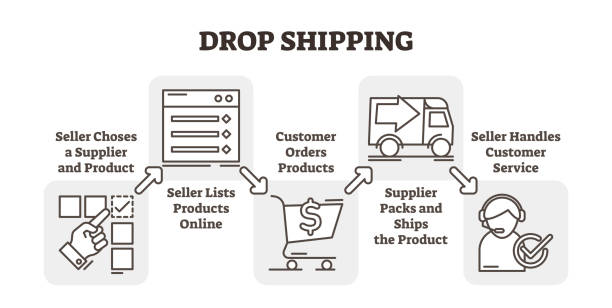
    Before we explore further, let’s break down the core fundamentals of dropshipping. This business model is essentially an agreement between you (the online store owner) and a supplier (sometimes a wholesaler or manufacturer). In a traditional retail setting, you’d have to purchase a certain amount of product upfront, store it in a warehouse or your living room, and then fulfill orders manually once a customer makes a purchase.

    However, with dropshipping, the process is much simpler. You list products in your online store, and when a customer buys something, you forward that order (and payment) directly to your supplier. The supplier then handles the packaging and ships the product straight to the customer’s doorstep. Because you only pay for the item after you make a sale, you’re able to sidestep the large overhead costs that come with keeping inventory on hand.

    But What is Dropshipping About and How Does it Work? in practical, real-world terms? Think of yourself as a matchmaker: you connect the products with the customers. You handle the website, product listings, and marketing, while your supplier takes care of storage and logistics. This lets you focus on building your brand and fine-tuning your marketing strategies, rather than obsessing about whether you have enough bubble wrap. It’s a near-seamless system—provided you pick the right supplier and maintain good communication.

    The biggest perk of dropshipping is that it levels the playing field. You don’t need a multi-million-dollar investment to start. In fact, many successful store owners launched their businesses on a shoestring budget. Of course, that doesn’t mean it’s a get-rich-quick scheme. There’s still plenty of work to do—researching products, setting up your store, establishing your brand, and ensuring top-notch customer service. But if you’re looking for a flexible, low-risk e-commerce model that you can run from just about anywhere, dropshipping might be your perfect match.


    Drop shopping online business concept example, five steps scheme vector illustration, Choosing product, listing items, selling and delivering. Flat and simple outline icons.

    2. What is Dropshipping About and How Does it Work? Choosing the Right Products

    The second piece of the dropshipping puzzle is the product. After all, even the most magnificent store design won’t help if your products are about as exciting as stale crackers. When pondering What is Dropshipping About and How Does it Work? you’ll soon realize that product selection can make or break your success.

    1. Find Your Niche: Gone are the days when you could just dump a truckload of random trinkets onto a generic website. Today, competition is fiercer than ever, and carving out a niche is crucial. Maybe you’re a yoga enthusiast who wants to sell eco-friendly yoga mats, or a pet lover who specializes in high-end cat furniture. Focusing on a specific niche helps you connect with a passionate audience—and they’re more likely to return for repeat purchases.
    2. Spy on Trends: Keep your ear to the ground and your eyes on the web. Tools like Google Trends or e-commerce platforms’ best-seller lists can provide valuable insight into products currently flying off the (virtual) shelves. Being the first to jump on a rising trend can give you a head start. But watch out for fads that flame out as fast as they appeared, leaving you with a store full of items no one wants anymore.
    3. Quality Over Quantity: A common mistake is to load your store with every cheap widget you can find. Instead, focus on quality. Even if you’re not personally handling the products, your reputation is tied to them. Customers blame you if something arrives damaged or looks nothing like the photos. Remember: building trust with your audience can lead to long-term, sustainable growth in your dropshipping venture.
    4. Test Before You Commit: If possible, order a sample of a product for yourself. Evaluate the shipping times, packaging, and overall quality. If a supplier can’t deliver on their promises, it’s better to find out early before your customers start brandishing pitchforks and torches at your store’s virtual doorstep.

    What is Dropshipping About and How Does it Work? - Online shop Logistics Transport

    3. What is Dropshipping About and How Does it Work? Building an Online Store

    Now that you’ve had your “aha!” moment about What is Dropshipping About and How Does it Work? it’s time to build your online store—the digital equivalent of setting up your boutique’s windows. Today, we have plenty of user-friendly e-commerce platforms that help you launch your store with minimal fuss. Shopify, WooCommerce, and BigCommerce are among the top contenders. Each of these platforms offers a range of templates, integrated payment gateways, and various add-ons to help you customize your store just how you like it.

    Branding and Design
    Think of branding as your store’s personality. From the logo to the color scheme, you want to convey a cohesive theme that resonates with your target audience. If you’re selling neon pet accessories, your website might be bright, playful, and loaded with pictures of adorable animals. If you’re selling sleek, modern tech gadgets, your website might be crisp, minimalistic, and loaded with futuristic vibes. Good branding is what helps you stand out from the hordes of other dropshippers selling similar products.

    User Experience (UX)
    No one wants to shop in a cluttered store, whether online or offline. Keep your navigation menu clear and your categories logical. Include a prominent search bar so customers can quickly locate items. A positive user experience keeps visitors on your site longer and encourages them to explore more products. Also, don’t forget to optimize your site for mobile devices. A significant chunk of online shopping now happens on smartphones and tablets, so if your site isn’t mobile-friendly, you’re leaving money on the table.

    Legal Bits
    While building the store is exciting, don’t skip the essential paperwork. Craft clear Terms of Service, Return/Refund Policies, and a Privacy Policy. Transparency builds trust, and trust builds repeat customers. Also, think about taxes, business licenses, and any specific regulations that might apply to your niche. Professionalism in these areas can set you apart from less-prepared competitors.


    4. What is Dropshipping About and How Does it Work? Effective Marketing Strategies

    You’ve got your store, you’ve curated your products, and you’re excitedly explaining to your dog exactly What is Dropshipping About and How Does it Work? But now you need traffic—real human beings who might actually buy something. Enter the world of digital marketing. Don’t worry; you don’t need a marketing degree to get started. A willingness to learn and experiment can go a long way.

    1. Social Media Marketing
    Platforms like Instagram, Facebook, TikTok, and Pinterest can be powerful channels to reach your audience. Create engaging content around your niche—product demonstrations, behind-the-scenes clips, or humorous skits featuring your merchandise. Hashtags help you reach new eyeballs, and interactive features like polls or Q&A sessions can spark engagement. The goal is to be visible, entertaining, and memorable. You want your brand to pop into someone’s mind next time they need that specific type of product.

    2. Influencer Collaborations
    Imagine an influencer with thousands (or even millions) of followers giving your product a thumbs-up. That’s influencer marketing in a nutshell. However, be strategic. Micro-influencers with highly engaged audiences can sometimes yield better results than huge celebrities who barely interact with their fans. Look for content creators who genuinely align with your niche. People can sniff out inauthentic promotions from a mile away.

    3. Email Marketing
    Contrary to what you might think, email is still alive and kicking—and it’s a goldmine for nurturing customer relationships. Use email campaigns to announce new products, share discount codes, or simply send out a fun newsletter with industry tidbits. Just don’t spam people; no one wants to open their inbox to 17 emails from the same store in a single day. The key is consistency and value. Offer interesting content, not just sales pitches.

    4. SEO (Search Engine Optimization)
    SEO might sound like mystical tech wizardry, but it boils down to making your website user-friendly and relevant. Do some keyword research, optimize your product listings with descriptive titles and tags, and consider starting a blog related to your niche. For instance, if you sell eco-friendly yoga mats, you could write articles on yoga routines, environmental sustainability, or mindfulness. A strong SEO strategy helps you rank higher in search results, drawing in folks who are already searching for products like yours.


    Cartoon Banner Work Online Shopping in Internet. Online Shopping Order Confirmation Assembly Equipment Loading Operations See Transportation City Delivery Courier Delivery. Vector Illustration.

    5. What is Dropshipping About and How Does it Work? Common Pitfalls and How to Avoid Them

    By now, you’re practically chanting What is Dropshipping About and How Does it Work? in your sleep, but let’s bring a dose of reality into this e-commerce fairy tale. Dropshipping might be low-risk, but it’s not zero-risk. Here are some hurdles you could face—and how to jump them with style and grace (or at least avoid a faceplant).

    1. Inconsistent Suppliers: Your reputation rests on the reliability of your suppliers. Late shipments or poor-quality items can lead to negative reviews. To safeguard your store, cultivate relationships with multiple suppliers. That way, if one drops the ball, you can pivot to another without leaving your customers in the lurch.
    2. Thin Profit Margins: Because you’re not buying in bulk, your per-unit cost can be higher than traditional retailers who purchase large volumes. This often means slimmer profit margins. Combat this by focusing on niche products, offering exceptional customer service, and investing in branding so customers are willing to pay a premium.
    3. High Competition: Many entrepreneurs see dropshipping as the golden ticket, leading to saturated markets. Competing solely on price can become a race to the bottom. Differentiate by curating unique products, building an engaging brand personality, and excelling at customer service. Remember, people buy from people (or brands) they trust.
    4. Customer Service Challenges: Even though you’re not physically handling the products, you’re still the face of the transaction. If something goes wrong—like a delivery delay or a product defect—you’re the one who has to deal with the angry email. Use these moments as opportunities to show empathy and resolve the issue quickly. A well-handled complaint can turn a furious customer into a loyal advocate.

    Pulling It All Together

    Now that we’ve answered, explained, and possibly over-explained the question, “What is Dropshipping About and How Does it Work?” let’s step back and see the bigger picture:

    • You find a promising niche.
    • You build a sleek online store with a strong brand image.
    • You partner with reliable suppliers and list products that resonate with your target audience.
    • You market like a pro, leveraging social media, email, influencer collaborations, and SEO to attract customers.
    • You manage customer service with grace and style, turning complaints into opportunities.

    It’s not rocket science, but it does require research, strategic thinking, and a willingness to keep adapting. Trends shift, new competitors emerge, and technology evolves. The dropshipper who stays agile is the one who thrives.


    Conclusion: The Final Verdict – A Shout-Out to Legit Work at Home Jobs

    So, What is Dropshipping About and How Does it Work? in its purest essence? It’s a business model that lets you sell products without ever stocking them yourself, freeing you up to focus on branding and marketing. That said, it’s far from a lazy person’s shortcut to untold riches. You’ll still need persistence, creativity, and a strong stomach for occasional hiccups (like that time your supplier decided to take an unannounced two-week vacation during the holiday rush—yikes!).

    If you’re hungry for more in-depth knowledge and resources, be sure to check out Legit Work at Home Jobs, the place that consistently provides top-tier information and insider tips for all sorts of online opportunities. They’ll guide you like a wise old guru perched atop a digital mountain, helping you avoid common pitfalls and speed bumps.

    Finally, what do you think? Are you intrigued by the idea of dropshipping, or have you tried it already? Maybe you’ve got some cautionary tales or triumphant success stories to share. Let us know your thoughts in the comments below! Your experiences, opinions, and even your wild theories about the future of online business could spark a fun—and enlightening—conversation. And, after all, isn’t that what the online entrepreneurial community is all about?

    With that said, remember What is Dropshipping About and How Does it Work? truly depends on how you make it your own. So go forth, be brave, and dropship responsibly—and who knows, you just might discover your new favorite way to work (and live) online! If you don’t think this is a fit for you. You can check out my #1 recommendation to learn how I quit my fulltime job and work at home making a lucrative monthly income!

  • How to Get Motivated When Working From Home

    How to Get Motivated When Working From Home

    How to Get Motivated When Working From Home - Black woman, achievement in home office and celebration at laptop for remote work, social media or excited blog. Happy girl at desk with computer for winning email, good news and success in freelance

    How to Get Motivated When Working From Home: A Beginner’s Guide

    Ah, the allure of working from home. No traffic jams, no dress codes, and endless access to your fridge. But let’s be real—the struggle to stay motivated is equally real. If you’ve found yourself Googling How to Get Motivated When Working From Home, you’re not alone. Let’s dive into some tips, tricks, and a sprinkle of humor to help you slay the remote work game.


    1. How to Get Motivated When Working From Home: Set Up a Work-Only Zone

    One of the biggest hurdles in staying productive is the lack of separation between your personal and professional spaces. The couch may seem like the perfect spot, but it’s also where Netflix lures you into a 12-hour binge. Creating a designated workspace can help switch your brain into “work mode.”

    Tips:

    • Invest in a good chair and desk (your back will thank you).
    • Add personal touches like plants or motivational quotes.
    • Avoid working in bed unless you’re testing the theory of maximum comfort.

    Why it works: A specific workspace tricks your brain into associating that spot with productivity. It’s a psychological hack for How to Get Motivated When Working From Home.


    2. How to Get Motivated When Working From Home: Build a Morning Routine That Works

    Working from home doesn’t mean you should roll out of bed five minutes before your first Zoom call. A solid morning routine can set the tone for a productive day.

    Ideas for your routine:

    • Wake up at a consistent time each day.
    • Exercise, even if it’s just a quick stretch.
    • Get dressed (yes, real clothes).
    • Enjoy a cup of coffee or tea without checking emails.

    Why it works: Morning routines are like the opening credits of your day. They prepare your mind and body for what’s to come, ensuring you tackle How to Get Motivated When Working From Home head-on.


    3. How to Get Motivated When Working From Home: Set Goals and Stick to Them

    Goal-setting is your secret weapon against procrastination. Without a boss hovering over your shoulder, it’s easy to let the day slip by. But having clear objectives can keep you on track.

    Pro tips for goal-setting:

    • Break tasks into smaller, manageable chunks.
    • Use tools like Trello, Asana, or even a good ol’ notebook.
    • Celebrate small wins (yes, finishing that email counts!).

    Why it works: Goals provide direction and purpose. They’re your roadmap for navigating the wilderness of How to Get Motivated When Working From Home.


    4. How to Get Motivated When Working From Home: Stay Connected With Others

    Working from home can be isolating. Sure, your dog might be an excellent coworker, but they’re terrible at brainstorming sessions. Staying connected with real humans is crucial for motivation.

    Ways to stay connected:

    • Schedule regular virtual coffee chats with colleagues.
    • Join online communities related to your field.
    • Don’t underestimate the power of a quick call instead of an email.

    Why it works: Interaction with others can boost your mood and energy, giving you the drive to tackle How to Get Motivated When Working From Home like a pro.


    5. How to Get Motivated When Working From Home: Take Breaks (Yes, Really)

    It might sound counterintuitive, but taking breaks can actually enhance your productivity. Sitting at your desk for eight hours straight is a recipe for burnout.

    Break ideas:

    • Try the Pomodoro Technique: 25 minutes of work followed by a 5-minute break.
    • Step outside for fresh air.
    • Dance like no one’s watching (because no one is).

    Why it works: Breaks give your brain a chance to recharge, making it easier to focus when you return. It’s a crucial part of mastering How to Get Motivated When Working From Home.


    Professional Woman At Desk Or Home Office Planning Goals, Events, Finances, Shopping List, And Budget. Concept Of Daily Organization, Productivity, And Effective Time Management For Success

    Common Challenges and How to Overcome Them

    Even with these tips, working from home isn’t always smooth sailing. Let’s address some common obstacles and how to tackle them.

    1. Distractions: From kids to laundry, the list is endless. Create boundaries with family members and stick to a schedule.

    2. Lack of Structure: Without a traditional 9-to-5 framework, it’s easy to feel adrift. Use time-blocking to organize your day.

    3. Motivation Slumps: Some days, you just won’t feel it. That’s okay. Focus on small tasks to build momentum.


    Tools to Help You Stay Motivated

    Technology can be your best friend when it comes to staying on track. Here are some tools to consider:

    1. Focus@Will: Music designed to improve focus.
    2. Forest App: Grow virtual trees while staying off your phone.
    3. Slack: Stay connected with colleagues.
    4. Calendly: Simplify scheduling.
    5. Headspace: For mindfulness and stress management.

    These tools are game-changers for anyone struggling with How to Get Motivated When Working From Home.


    Bonus Tips for Boosting Motivation

    Sometimes, all it takes is a small tweak to reignite your drive. Here are a few additional ideas:

    • Create a Vision Board: Keep your goals and dreams in sight, literally.
    • Reward Yourself: Treat yourself to something nice after completing big tasks.
    • Declutter Your Workspace: A tidy desk equals a tidy mind.
    • Experiment with Work Hours: Find out when you’re most productive and build your schedule around it.

    Conclusion: Motivation Is a Skill You Can Master

    Mastering How to Get Motivated When Working From Home isn’t about being perfect; it’s about finding what works for you. Experiment with different strategies until you create a routine that feels natural and sustainable.

    And don’t forget to check out Legit Work at Home Jobs for the best information and resources to help you thrive in your remote career. They’ve got tips, job listings, and advice that’ll make your work-from-home journey a breeze. You can check out my #1 recommendation to learn how I quit my fulltime job and work at home making a lucrative monthly income!
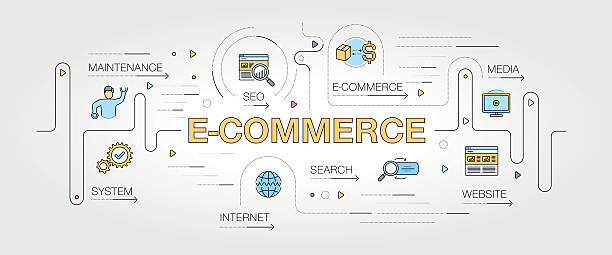
    What’s your go-to strategy for staying motivated while working from home? Share your tips in the comments below—we’d love to hear them!


  • Free Remote Job Boards

    Free Remote Job Boards

    Free Remote Job Boards - Black board with colorful paper clips and wooden cubes with the text: Remote job

    Free Remote Job Boards: Your Ticket to Work-From-Anywhere Bliss

    In today’s digital era, finding legitimate remote work has never been easier. Enter the magical world of Free Remote Job Boards, where you can unearth opportunities that let you ditch the commute and work in your pajamas. Whether you’re a tech whiz, a creative genius, or someone who just wants to avoid water cooler small talk, these boards have got your back. But not all job boards are created equal, and that’s where this guide comes in handy.


    1. We Work Remotely: The OG of Free Remote Job Boards

    If remote work had a mascot, it would probably be We Work Remotely (WWR). This platform has been connecting talent with employers since before it was cool. WWR offers a treasure trove of job listings, from web development to customer service.

    Pros:

    • Easy-to-navigate interface
    • Focus on high-quality, legitimate opportunities
    • Jobs across diverse categories

    Cons:

    • Some postings skew towards tech-heavy roles
    • You might spend too much time daydreaming about that one dream job

    Why it shines: WWR’s emphasis on top-notch listings makes it one of the most reliable Remote Job Boards. Employers have to pay to post jobs here, which ensures they’re serious about hiring.


    2. Remote.com: The Swiss Army Knife of Free Remote Job Boards

    With its sleek design and user-friendly filters, Remote.com is a favorite among remote job seekers. From tech gigs to writing jobs, this platform offers a little something for everyone.

    Pros:

    • Comprehensive job categories
    • Salary transparency (finally!)
    • Aesthetically pleasing interface

    Cons:

    • Some jobs may require extensive experience
    • Can be overwhelming due to sheer volume of listings

    Why it’s a win: Remote.com’s salary feature is a game-changer, allowing job seekers to focus on opportunities that meet their financial needs. Plus, it’s one of the most visually appealing Free Remote Job Boards out there.


    3. Jobspresso: Espresso for Your Career Hunt

    Jobspresso brings a curated touch to the world of remote job boards. The site focuses on quality over quantity, ensuring you won’t waste time wading through irrelevant listings.

    Pros:

    • Curated, high-quality job postings
    • Focus on tech, marketing, and customer support roles
    • Simple interface

    Cons:

    • Smaller volume of listings compared to others
    • Limited categories

    Why it rocks: Think of Jobspresso as the boutique coffee shop of Free Remote Job Boards. It’s not overwhelming, and every job posting feels like it’s been handpicked just for you.


    4. Working Nomads: For the Globe-Trotter at Heart

    If you’ve ever dreamt of working from a beach in Bali or a cabin in the Swiss Alps, Working Nomads is your jam. This platform caters specifically to digital nomads looking to keep their wanderlust alive.

    Pros:

    • Focus on flexible, location-independent jobs
    • Regularly updated listings
    • Easy-to-use interface

    Cons:

    • Heavy focus on tech and marketing roles
    • Limited job categories outside of the digital realm

    Why it’s unique: Working Nomads captures the spirit of remote work by offering roles that let you truly work from anywhere. It’s one of the few Free Remote Job Boards that understands the nomadic lifestyle.


    5. Remote.co: The Sage of Remote Job Boards

    Remote.co is not just a job board; it’s a comprehensive resource for anyone exploring remote work. From job listings to advice articles, this site has everything you need to thrive in a remote career.

    Pros:

    • Great for beginners in remote work
    • Offers resources and tips beyond job postings
    • Diverse job categories

    Cons:

    • Some listings are exclusive to premium members
    • Slightly less user-friendly design

    Why it’s valuable: Remote.co stands out among Free Remote Job Boards by doubling as a learning platform. Whether you’re new to remote work or a seasoned pro, you’ll find helpful insights here.


    An enthusiastic online teacher giving a lesson from a home office with a whiteboard and a laptop in a bookshelf background.

    What Makes Free Remote Job Boards So Great?

    Let’s address the elephant in the room: Why use Free Remote Job Boards instead of paid platforms? Here’s the deal:

    • Cost: Free is everyone’s favorite price point. These boards save you money while still offering excellent job opportunities.
    • Diversity: From coding to content creation, there’s a job for everyone.
    • Convenience: Accessible from anywhere, whether you’re on a laptop, tablet, or smartphone.

    Pro Tips for Using Remote Job Boards

    1. Set Alerts: Many platforms allow you to set up email alerts for specific keywords.
    2. Customize Your Resume: Tailor your application for each job to increase your chances of success.
    3. Check Company Reviews: Use platforms like Glassdoor to vet potential employers.
    4. Stay Vigilant: If a job sounds too good to be true, it probably is. Avoid scams by sticking to trusted Remote Job Boards.

    Conclusion: The Final Word on Free Remote Job Boards

    In the ever-evolving landscape of remote work, these Remote Job Boards are your golden ticket to a more flexible and fulfilling career. Whether you’re a seasoned professional or a newbie just dipping your toes into the remote work pool, these platforms offer a world of opportunities.

    But if you’re looking for the ultimate resource, don’t forget to check out Legit Work at Home Jobs. With their expert insights and comprehensive guides, they’re a cut above the rest.

    What do you think about these platforms? Have you tried any of them? Drop your thoughts in the comments below—we’d love to hear from you! If you don’t think this is a fit for you. You can check out my #1 recommendation to learn how I quit my fulltime job and work at home making a lucrative monthly income!