Start your work-from-home journey with confidence using our Beginners Guides. Designed for newcomers, these step-by-step resources cover everything from setting up your home office to finding your first remote job. Learn the basics, avoid common pitfalls, and build a strong foundation for your remote career success.
Affiliate Marketing Business Guide – The Ultimate Blueprint to Success

What is an Affiliate Marketing Business Guide & Why Should You Care? If you’ve been searching for the Affiliate Marketing Business Guide that will take you from “Where do I start?” to “I’m making commissions in my sleep!”, then congratulations—you’ve just hit the jackpot.
BIG ANNOUNCEMENT: THE AFFILIATE MARKETING JUMPSTART GUIDE IS HERE!
If you’ve been searching for a real, no-nonsense guide to mastering affiliate marketing, your search is OVER! Affiliate marketing is one of the most lucrative online business models, and for good reason. You don’t need a product. You don’t need customer service. Heck, you don’t even need a massive budget. You just need a strategy—and that’s where this Affiliate Marketing Business Guide comes in. I’m here to announce my NEW Ebook “Affiliate Marketing Jumpstart Guide!”
This Ebook is a GAMECHANGER! We’re diving into everything from choosing the right niche to driving traffic and scaling up your income like a boss. Whether you’re a total newbie or looking to optimize your existing strategy, this guide is designed to help you win big in the affiliate marketing game.
Let’s jump in!
Affiliate Marketing Business Guide – How to Get Started
I’m beyond excited to introduce The Affiliate Marketing Jumpstart Guide – your ultimate roadmap to building a profitable online business through affiliate marketing. Whether you’re just starting out or looking to scale, this guide is packed with insider knowledge, actionable steps, and proven strategies to help you succeed.
What You’ll Learn Inside:
✅ How affiliate marketing REALLY works (and how to make it work for YOU!)
✅ Finding a profitable niche that’s actually worth your time
✅ The best affiliate programs to maximize earnings
✅ Building a website that converts visitors into cash-generating machines
✅ Creating killer content that drives traffic and sales
✅ SEO, paid traffic, and email marketing strategies to scale FAST
✅ Advanced techniques to grow your affiliate income like a pro
The Affiliate Marketing Jumpstart Guide is HERE! – You NEED This!
If you’ve ever wanted to start an affiliate marketing business but felt lost, overwhelmed, or just straight-up confused, today is your lucky day!
My brand-new eBook, the Affiliate Marketing Jumpstart Guide, is officially LIVE, and it’s the only Affiliate Marketing Business Guide you’ll ever need to build a profitable, long-term online business.
And guess what? I’m not just here to sell you a dream—I’m handing you the exact step-by-step roadmap to making it a reality.
Want to make passive income?Dreaming of quitting your 9-to-5?Tired of watching others succeed while you struggle?
It’s time to change that.
Why This Guide Is Different And Will Actually Work for You!
There are thousands of “make money online” guides out there. So, what makes this one different?
1️⃣ Real-World Experience: I’ve spent years learning the hard way so you don’t have to. Everything inside this eBook is based on what ACTUALLY works in today’s affiliate marketing world.
2️⃣ No Expensive Software Needed: Unlike other courses that push expensive tools, this guide teaches you how to start with zero upfront costs and scale from there.
3️⃣ Beginner-Friendly & Actionable: Whether you’re starting from scratch or already have some knowledge, you’ll get easy-to-follow steps and real-world examples to help you succeed.
4️⃣ Aggressive Traffic & Sales Tactics: This guide doesn’t just teach theory—it gives you battle-tested methods for driving real traffic and converting visitors into money in your bank account!
What People Are Saying About the Affiliate Marketing Jumpstart Guide!
📢 “This guide took me from lost to launching my own site in under a week!” – James R.
📢 “Finally, an affiliate marketing business guide that tells you EXACTLY what to do!” – Tia M.
📢 “No fluff, just ACTIONABLE strategies. The SEO tips alone are worth the price!” – Daniel K.
This isn’t just an eBook—it’s your step-by-step blueprint to financial freedom.
How to Get Your Hands on It Before Everyone Else Does!
The Affiliate Marketing Jumpstart Guide is available NOW for only $20!
Alison.com Review: Is This Free Learning Platform Worth It?
If you’ve ever dreamed of leveling up your skills without spending a fortune, you might have stumbled upon Alison.comReview and thought, “Wait… free education? What’s the catch?” Well, that’s exactly what we’re about to dive into.
At first glance, Alison.com seems too good to be true—offering over 5,500 free courses with topics ranging from business management to healthcare, IT, engineering, and even personal development. Unlike most online learning platforms that slap a hefty price tag on quality education, Alison lets you learn for free.
But here’s the twist—while the courses are indeed 100% free, you’ll need to pay for official certificates and diplomas if you want proof of completion. This freemium model allows Alison to reach millions of learners worldwide, but it does raise an important question:
Is it truly worth your time if the certificates aren’t accredited? 🤔
To answer that, let’s break it down into what Alison does well and where it falls short.
Before we get too deep, let’s start with the basics. Alison.comisn’t just another online learning platform—it’s actually one of the first-ever free education platforms to exist on the internet.
Founded in 2007 by Mike Feerick, an Irish entrepreneur with a passion for accessible education, Alison was built on the idea that education should be free and available to everyone, regardless of background or financial status. His goal? To break down the barriers to learning by offering high-quality courses to anyone with an internet connection.
Fast-forward to today, and Alison.com has grown into a global force, with over 45 million learners, 5,500+ courses, and students from 193 countries. Unlike traditional online learning platforms that require subscriptions or hefty one-time fees, Alison stands out by being completely free—as long as you’re okay with a few ads.
So, what’s the catch? Well, while you can access and complete courses for free, if you want an official certificate or diploma, you’ll have to pay for it. This business model allows Alison to keep offering education for free, while still generating revenue to support the platform.
Despite the lack of official accreditation, many people use Alison to boost their resumes, learn new skills, or explore career-changing opportunities—all without spending a dime.
If you’re someone who values knowledge over credentials, Alison could be a game-changer. But if you’re looking for a fully accredited certificate, you might need to weigh your options carefully.
If variety is the spice of life, then Alison.com is serving up a full buffet of knowledge. With over 5,500 courses available, there’s something for everyone, whether you’re looking to boost your career, switch industries, or just learn something new for fun.
Courses on Alison are categorized into major industries to help learners easily find what fits their goals. Let’s take a closer look at each category and what it offers:
📈 Business & Management
Want to become a corporate powerhouse or start your own business? Alison offers courses in leadership, project management, marketing, human resources, finance, and entrepreneurship. Whether you’re trying to sharpen your negotiation skills or learn how to manage a team effectively, this category is packed with real-world business strategies.
💻 IT & Software Development
Tech skills are in high demand, and Alison provides a wide range of courses covering coding, cybersecurity, networking, cloud computing, and data science. Learn Python, Java, HTML, and CSS, or explore the fundamentals of AI and machine learning—all without spending a dime!
🏥 Health & Fitness
From nutrition and fitness coaching to mental health awareness and medical training, this category is perfect for those looking to improve personal health knowledge or build a career in healthcare. You can even find courses on CPR training, caregiving, and first aid.
🔩 Engineering & Construction
For those with an interest in hands-on careers, Alison offers courses in civil, mechanical, and electrical engineering, as well as construction site safety and project planning. If you’re looking to enter the construction industry or improve your skills as an engineer, there are technical training courses that can help.
💡 Personal Development
If self-improvement is your thing, Alison provides courses in productivity, public speaking, emotional intelligence, and stress management. This category is great for sharpening life skills that can make you more effective in both personal and professional settings.
🗣️ Language Learning
Ever wanted to learn Spanish, French, German, or even Mandarin? Alison’s language courses help learners grasp new languages through structured lessons, pronunciation guides, and grammar exercises—perfect for travel, business, or personal growth.
🎓 Teaching & Academics
If you’re an educator (or aspire to be one), this category includes classroom management, curriculum planning, and education psychology courses. Whether you’re a teacher looking to refine your skills or someone who wants to explore a career in education, this section provides useful insights.
With such a wide range of topics, Alison.com makes it easy for learners to explore new industries, sharpen skills, and grow their knowledge—all for free.onfirms that the platform is a great resource for those looking to expand their skill set without breaking the bank.
Here’s where things get a little tricky. Alison is self-accredited, meaning it does not have formal recognition from universities or educational bodies. While the courses are developed by subject matter experts, their certifications may not carry the same weight as degrees from traditional institutions.
That said, many employers still value skill-based learning, and Alison’s courses can be a great way to boost your resume or gain knowledge in a specific field. If you’re looking for career advancement, professional development, or just love learning, it can be a valuable tool.
The learning experience on Alison is straightforward and beginner-friendly. The platform offers:
✅ Self-paced learning – No deadlines or rush; study at your own speed.
✅ Mobile-friendly courses – Learn on the go with Alison’s mobile-friendly site.
✅ Free access to learning materials – No hidden fees to enroll in courses.
✅ Quizzes & assessments – Test your knowledge after each module.
✅ User-friendly interface – Clean and simple navigation makes it easy to find courses.
However, Alison.com Review wouldn’t be complete without mentioning the downsides:
🚨 Lots of ads – Because the platform is free, it relies on ads, which can be distracting.
🚨 Certificates & Diplomas cost extra – Want proof of your achievement? You’ll need to purchase the official certification.
🚨 Some courses lack depth – While many courses are informative, some lack the depth of university-level content.
Alison.com Review: Business Solutions & Corporate Training
Alison isn’t just for individual learners; it also offers free Learning Management Systems (LMS) for businesses and organizations. If you run a company and need to train employees, this can be a great low-cost solution to upskill your team.
Employers can create customized training paths, track employees’ progress, and use the certifications as proof of skill development.
✅ Courses are 100% free to enroll in and complete.
❌ Certificates & Diplomas cost extra (typically ranging from $20 to $150).
❌ Ad-free learning requires a paid subscription.
✅ All learning materials are free, but premium features come with a cost.
Final Verdict: Is Alison Worth Your Time?
If you’re looking for free learning resources to expand your skills, Alison is a fantastic choice. However, if you need accredited certifications, it may not be the best option.
⭐ Pros:
✔️ Thousands of free courses across multiple industries.
✔️ Self-paced, mobile-friendly learning.
✔️ Business solutions for corporate training.
✔️ Great for personal growth & skill-building.
⭐ Cons:
❌ Certifications & diplomas require payment.
❌ Courses lack official accreditation.
❌ Ads can be distracting for free users.
Final Grade: 8/10 – A great platform for free learning, but not ideal if you need formal credentials.
Have you used Alison.com before? Did you find the courses valuable? Drop your thoughts in the comments and let’s discuss! 👇👇
And remember—when it comes to finding the best work-from-home resources, Legit Work at Home Jobs has got you covered. Whether you’re looking for online learning platforms, remote job listings, or side hustle ideas, we bring you the best resources to help you succeed! If you don’t think this is a fit for you. You can check out my #1 recommendationto learn how I quit my fulltime job and work at home making a lucrative monthly income!
How To Move Up The Ladder In Your Remote Job can sometimes feel like climbing a staircase made of digital clouds—one wrong step, and you might plummet into virtual obscurity. But fear not! Remote work doesn’t have to limit your professional advancement. In fact, it opens doors for strategic growth from the comfort of your dining room table or couch. With the right combination of visibility, ongoing learning, proactive communication, and yes—even a dash of humor—you can show your team and bosses that you’re prepared to take on bigger challenges and rise through the ranks. You’ll do it all in your comfy slippers, making that success taste even sweeter.
How To Move Up The Ladder In Your Remote Job: Introduction
If the phrase How To Move Up The Ladder In Your Remote Job conjures up images of you in pajamas handling major projects, then you already understand one of the perks of remote work: comfort. But that cozy advantage shouldn’t lull you into complacency. Whether you’re collaborating via Slack, Zoom, or email threads, your professional reputation hinges on what you deliver, how consistently you deliver it, and how well you communicate your successes.
Embracing the Remote Mindset
Working remotely often means swapping the office hustle for a quieter home (or coffee shop) vibe. Yet your boss and peers still expect you to meet deadlines, solve problems, and display leadership potential. Indeed, “out of sight” should never mean “out of mind.” Seizing new tasks and responsibilities—even ones slightly outside your day-to-day—demonstrates that you’re not just willing to do the minimum. You’re pushing boundaries and showing ambition.
The Perks… and Pitfalls
Yes, it’s fantastic to skip traffic jams and office politics at the watercooler. But “remote” can also feel “remote” in other ways. Isolation is real, and it can lead you to wonder if you’re missing out on face-to-face moments that historically help employees bond with supervisors. That’s why it’s crucial to stay plugged into virtual communication channels and take initiative whenever you can.
By actively contributing ideas during team calls or stepping forward for that big cross-departmental project, you’re effectively raising your hand in the digital crowd. The best part? No one can see if you’ve got coffee stains on your sweatpants—just ensure your camera captures your winning smile from the waist up!
How To Move Up The Ladder In Your Remote Job: Mastering Visibility
Let’s face it: How To Move Up The Ladder In Your Remote Job largely depends on how “seen” you are within your organization. No, that doesn’t mean showing off fancy office backgrounds in every Zoom call. It’s about proving that you’re reliable, proactive, and consistently adding value—qualities that managers love in any work setting.
Show, Don’t Just Tell
Because your physical presence isn’t in the office, you’ve got to let your output speak for itself. Complete tasks ahead of schedule. If you have performance metrics or sales targets, try surpassing them. Share weekly or bi-weekly updates with your manager (if they’re open to it) summarizing what you’ve accomplished and what’s next. This not only keeps everyone in the loop but also underscores your dedication and productivity.
Polished Communication
In remote environments, clarity in emails, chat messages, and video calls is king. Without body language to rely on, tone can be misread. So if you’re aiming to be humorous, keep it light—no one wants an off-color joke lingering in the company Slack channel. And whenever you start new tasks or initiatives, communicate your progress and insights. The more open you are about your workflow, the more trust you build.
Keep Your Camera On—At Least Sometimes
Of course, not every meeting needs your face front and center. But turning on your camera during important discussions can forge a deeper connection with your team. A friendly smile, good eye contact, and a confident posture say, “I’m here, I’m engaged, and I’m ready to contribute.” That visibility factor can be surprisingly influential when it’s time for promotions or more leadership responsibilities.
How To Move Up The Ladder In Your Remote Job: Continuous Learning
Perhaps the most overlooked aspect of How To Move Up The Ladder In Your Remote Job is ongoing education. After all, the professional landscape—especially in tech, marketing, finance, or any field that’s predominantly online—evolves at lightning speed. If you’re not sharpening your skills, you risk being left behind.
Explore Online Platforms and Certifications
From Coursera and Udemy to LinkedIn Learning, there’s no shortage of digital classrooms for expanding your skill set. If your job involves coding, keep tabs on the latest frameworks. If it’s marketing, stay updated on social media algorithms. Learning opportunities are everywhere, and many are free or low-cost. Investing in these courses can position you as an asset who’s always “in the know.”
Incorporate Learning into Your Routine
Working remotely often blends personal and professional spaces. With that in mind, set aside specific times each week for skill-building—perhaps an hour or two before the workday starts or after it ends. That might mean reading industry blogs, watching how-to videos, or even practicing new software. The key is consistency. A small amount of learning each day can accumulate into major expertise over time.
Share Knowledge with the Team
Don’t keep all the newfound wisdom to yourself! If you learn a neat productivity hack or master a new tool, consider running a mini workshop for your colleagues. Not only does this help everyone, but it also cements your role as a leader and team player. Demonstrating that you’re proactive about education—and excited to share—makes you stand out in a remote environment.
How To Move Up The Ladder In Your Remote Job: Networking with Purpose
Ah, networking. The very word can spark images of awkward business card exchanges and forced small talk. But in the virtual world, How To Move Up The Ladder In Your Remote Job might hinge on networking that goes beyond standard LinkedIn invites and half-hearted Zoom happy hours.
Virtual Workshops and Conferences
Remote work has skyrocketed the popularity of online workshops, conferences, and seminars. Sign up for sessions relevant to your industry. Active participation—asking questions, engaging in Q&A sessions, or even volunteering to speak—can lead to meaningful connections. You never know which chatroom participant might be a future collaborator or even your next boss.
Internal Networking Matters Too
Don’t overlook your own coworkers. Cross-departmental networking can be just as beneficial as meeting someone outside your company. Introduce yourself to that colleague in marketing or finance you rarely talk to. Join virtual coffee breaks or Slack channels dedicated to interests beyond work. This fosters relationships that might open doors for new projects or roles down the road.
Maintaining a Digital Presence
Networking is not solely about scheduled events. It’s also about staying active in relevant forums, LinkedIn groups, or professional community sites like Slack communities or specialized industry networks. Engage thoughtfully—share insights, comment on others’ posts, and occasionally post your own perspectives. Over time, you’ll build a reputation as someone worth knowing.
How To Move Up The Ladder In Your Remote Job: Building Remote Leadership Skills
When it comes to How To Move Up The Ladder In Your Remote Job, leadership is often the game-changer. Even if your job title doesn’t have “manager” in it—yet—demonstrating leadership qualities can fast-track your career growth.
Volunteer for Project Leadership
One of the surest ways to catch decision-makers’ attention is by volunteering to lead projects, even small ones. This could be an internal initiative, a brainstorming session for a new product feature, or a company-wide event. Showcase your organizational skills, delegate tasks effectively, and remain open to feedback. If you handle it well, you’ll gain a reputation as someone who can be trusted with bigger responsibilities.
Cultivate Emotional Intelligence
Remote communication lacks some natural human cues, so emotional intelligence (EQ) is even more crucial. Be mindful of how your words might affect team morale—particularly over text, where tone is ambiguous. Show empathy by acknowledging colleagues’ challenges and celebrating their successes. If a coworker is juggling parental duties during a Zoom call, a supportive comment can go a long way.
Celebrate Team Wins
Leaders spotlight collective achievements, not just personal triumphs. Did your team smash a sales goal? Throw a virtual celebration! Is someone consistently solving tricky issues before they escalate? Give them a public shout-out. By uplifting others, you not only create a supportive remote culture but also position yourself as someone who values collaboration—a trait that upper management notices.
Cultivating a Healthy Work-Life Balance
Beyond the official steps of How To Move Up The Ladder In Your Remote Job, you can’t ignore personal well-being. Burning out from overwork rarely leads to climbing the ladder effectively. Ironically, consistent overwork can stifle productivity, creativity, and the very ambition that got you into remote work in the first place.
Setting Boundaries
It’s tempting to respond to emails at all hours when your office is essentially your living space. But 24/7 availability can erode your mental health. Establish work hours, schedule breaks, and—this part is crucial—log off when the day’s done.
Scheduling Personal Time
Just because you’re at home doesn’t mean you shouldn’t have “me time” or “family time.” Pencil in breaks for exercise, reading, or any hobby that helps you recharge. Ironically, maintaining a solid personal routine can make you more energized, creative, and receptive to new challenges at work.
Recognizing Your Achievements
Remote work sometimes causes accomplishments to fly under the radar. Keep a personal journal of victories, big or small. This helps you remain aware of your growth journey and provides tangible evidence when it’s time for performance reviews or promotions.
Handling Setbacks and Overcoming Barriers
Even with the perfect plan for How To Move Up The Ladder In Your Remote Job, obstacles can—and often will—arise. Technical glitches, communication breakdowns, or plain misunderstandings happen in every work setup, but remote teams can be particularly susceptible.
Embrace Conflict Resolution
When a problem pops up—maybe a coworker misinterprets your instructions—address it head-on. Schedule a quick call to clarify. The quicker you defuse the tension, the less it escalates. If you show you can handle delicate situations calmly and diplomatically, you build trust and respect.
Adjust and Adapt
Remote roles can shift in scope quickly. One day you’re in charge of a small aspect; next day, you’re managing an entire initiative. If changes happen, stay flexible. Your willingness to adapt demonstrates resilience, a trait that leaders and senior managers prize highly.
Seek Support When Needed
If you’re feeling overwhelmed, reach out—whether that’s to a mentor, a coworker, or even a professional counselor if necessary. Taking care of your emotional and psychological health ensures you remain productive and engaged. And guess what? Asking for help is also a sign of maturity and self-awareness, vital qualities for upward career mobility.
Final Thoughts: How To Move Up The Ladder In Your Remote Job—And Beyond
The question, How To Move Up The Ladder In Your Remote Job, isn’t simply about snagging promotions or fancy job titles; it’s about evolving into a more skilled, confident, and fulfilled professional. Each day in a remote environment offers a chance to prove your capability, whether through mastering a new tool, refining your communication, or taking bold steps toward leadership. Embrace each challenge as an opportunity to learn, pivot, and shine.
Remember that success stems from consistent effort, adaptability, and the ability to connect with coworkers—even through the glowing screen. By now, you’ve got a roadmap:
Prioritize Visibility: Be proactive about communicating accomplishments.
Keep Learning: Explore online courses and keep your skill set fresh.
Nail Networking: Both within your company and beyond, build meaningful relationships.
Show Leadership: Volunteer for projects and uplift your team.
Balance: Care for your well-being to maintain long-term momentum.
Where can you find even more tips, tricks, and opportunities for remote work success? Legit Work at Home Jobs consistently offers some of the best information and resources out there. From job listings you can trust to advice on remote work best practices, they’ve got your back. Feel free to share your own experiences, questions, or remote work success stories in the comments—after all, we’re all in this digital frontier together!
So go forth, conquer those Slack messages and Zoom calls with confidence. The ladder is there, and each rung is waiting for your next step. Whether you’re sporting pajama bottoms or full corporate attire, what truly matters is your drive to excel and your commitment to making remote work just as dynamic and rewarding as any traditional office role. If you don’t think this is a fit for you. You can check out my #1 recommendationto learn how I quit my fulltime job and work at home making a lucrative monthly income!
From Idea to Income: Your Beginner Guide to Building a Thriving Ecommerce Store
If you’ve ever daydreamed about running your own online business while sipping coffee in your pajamas, you’ve probably asked yourself, “How to Build a Ecommerce Store?” The good news: it might be easier than you think—and it can even be learned for free if you know where to look. In this in-depth and somewhat entertaining guide, we’ll walk through the essentials of creating a thriving online shop, discuss some common pitfalls, and reveal how signing up as a Wealthy Affiliate University member can get you started on the right foot without breaking the bank. Ready? Fasten your seatbelt (or bathrobe belt) and let’s embark on this digital adventure together!
How to Build a Ecommerce Store: The Basics
How to Build a Ecommerce Store? Let’s tackle the fundamentals first. Imagine your favorite corner shop, but instead of a physical address, it has a website address. That’s your ecommerce store in a nutshell. You’ve got a brand, products or services, and a way to accept payments—plus a global customer base that never has to worry about closing time or geographical barriers.
But wait—what exactly goes into building an online storefront that people trust and want to return to? Let’s break it down into core components:
Platform Choice: Selecting the right ecommerce platform (like WooCommerce, Shopify, or other site builders) is a major decision. Do you want a user-friendly, all-in-one solution? Or are you more tech-savvy and prefer maximum customization?
Domain and Hosting: Your domain name is like your digital street address. Pick something memorable and relevant to your niche. Hosting ensures your store stays accessible 24/7.
Website Design: An attractive, intuitive design helps convert visitors into paying customers. Think easy navigation, clear product images, and persuasive copy.
Payment Gateways: Secure options like PayPal, Stripe, or direct credit card processors. No one wants to shop at a store that feels sketchy with payments.
Security Measures: SSL certificates and compliance with data protection regulations keep your customers’ personal and financial information safe.
Don’t forget: your store can be as niche as organic pet food or as broad as a general marketplace for art. The key is to offer real value and a brand personality that resonates with buyers. If that means sprinkling in a bit of humor, all the better—especially if you can make yourself stand out in a sea of lookalike online stores.
How to Build a Ecommerce Store: Tools and Platforms
“How to Build a Ecommerce Store?” also means deciding which tools and platforms to rely on. To succeed in the online space, you need more than just a website—you need to harness the power of technology to streamline your operations.
1. Shopping Cart Software
You’ll want a reliable shopping cart that seamlessly integrates with your site. This handles product listings, inventory management, and the checkout process. Some popular carts come bundled with platforms like Shopify, while others—like WooCommerce—run as plugins on WordPress sites.
2. Content Management System (CMS)
WordPress is a giant in the CMS realm, but there are others like Joomla and Drupal. A CMS can simplify adding new products, blog posts, and updates. Whether you choose a fully hosted platform or a self-hosted solution, aim for something you’re comfortable navigating.
3. Email Marketing Services
Building an email list is vital for staying connected with customers. Services such as MailChimp, GetResponse, or AWeber help automate newsletters and promotional campaigns. This keeps your buyers in the loop about new products, sales, or special offers.
4. SEO and Analytics
A store without traffic is like throwing a party and forgetting to invite guests. Tools such as Google Analytics, Ubersuggest, and SEMrush give insights into where your visitors come from, how they behave, and what they like. This data helps refine your marketing strategies over time.
5. Wealthy Affiliate University’s Free Training
Here’s the real kicker: you can discover “How to Build a Ecommerce Store?” for free by leveraging training programs such as Wealthy Affiliate University. Their platform offers step-by-step lessons on everything from niche selection to branding to driving organic traffic through SEO. Rather than wading aimlessly through YouTube tutorials, you can follow a structured curriculum, ask questions, and get real-time feedback from seasoned pros. It’s a game-changer for beginners who prefer a clear roadmap to success rather than trial-and-error guesswork.
How to Build a Ecommerce Store: Marketing 101
How to Build a Ecommerce Store? Even the best products won’t move off your digital shelves if no one knows they exist. That’s where marketing swoops in like a superhero (cape optional). Let’s look at a few tried-and-true strategies:
Search Engine Optimization (SEO) SEO is the process of optimizing your store so it ranks high in search results for relevant keywords. If your niche is “vegan dog treats,” you’ll want to craft content that resonates with pet owners searching for cruelty-free, plant-based goodies. By understanding buyer intent, using meta tags, and focusing on quality content, you’ll slowly build organic (and free) traffic.
Social Media Promotions Platforms like Instagram, Facebook, Pinterest, and TikTok provide amazing opportunities to showcase your brand personality. High-quality visuals, user-generated content, and engaging stories can convert scrollers into followers—and eventually, buyers.
Content Marketing Consider starting a blog or a video channel that offers tips, tutorials, or stories around your product niche. If your store sells homemade candles, for instance, you might publish an article on “Candle Safety 101” or “DIY Décor Tips with Scented Candles.” This positions you as an expert, builds trust, and directs traffic back to your store.
Paid Advertising If you have the budget, platforms like Google Ads and Facebook Ads can fast-track your visibility. The key is to target the right audience so your ad spend yields conversions, not just clicks.
Affiliate Partnerships You can even recruit others to spread the word by starting your own affiliate program. By offering a commission for each sale they generate, you effectively incentivize bloggers and influencers to promote your products.
All of these strategies are thoroughly explained and demystified within Wealthy Affiliate’s training modules, which can be a lifesaver if you’re worried about going full Mad Scientist on marketing experiments.
How to Build a Ecommerce Store: Pitfalls to Avoid
You’re revved up and excited to answer the question, “How to Build a Ecommerce Store?” But success doesn’t come without a few cautionary tales. Let’s keep you from crashing into the digital ditch:
1. Trying to Sell Everything Under the Sun
Being a “jack of all products” can leave you buried in inventory and overshadowed by bigger fish. Instead, find a niche you’re passionate about or skilled in. Specializing helps you stand out and build authority.
2. Neglecting Customer Service
With so many online stores, a single bad experience can scare customers away—often permanently. Respond promptly, solve problems with empathy, and go above and beyond to retain loyalty. Happy customers are your best brand ambassadors.
3. Underestimating Shipping & Handling
Shipping can become your Achilles’ heel if you don’t factor in costs, carriers, and delivery times. Whether you choose dropshipping or handle inventory yourself, clarify shipping rates and times at checkout to avoid nasty surprises (for you or your customers).
4. Ignoring Mobile Optimization
A significant chunk of online shoppers browse and buy on their phones. If your store isn’t mobile-friendly, you might as well hang a “closed” sign for half your potential audience.
5. Skipping Analytics
Digital data is gold. Without analytics, you’re blind to what’s working and what isn’t. Implement and review your metrics regularly to make informed decisions, whether it’s changing the color of your “Buy Now” button or revisiting your entire marketing approach.
Now, you might be thinking, “Wait a second—where do I find all the knowledge needed for ‘How to Build a Ecommerce Store?’ for free?” Enter Wealthy Affiliate University, a platform that offers step-by-step training geared toward affiliate marketers, bloggers, and aspiring eCommerce entrepreneurs.
Comprehensive Lessons: They start from the basics—like choosing a niche and setting up a WordPress site—and move into advanced topics like content optimization and email marketing.
Community Support: The platform boasts an active community that’s always ready to answer your questions, troubleshoot, or even just cheer you on. You’ll find newbies and seasoned marketers alike, creating a balanced and supportive environment.
Tools & Hosting: Wealthy Affiliate’s premium membership includes web hosting, domain services, and research tools that help you pick winning keywords for SEO-driven traffic.
Structured Learning Path: Tired of random YouTube rabbit holes? Wealthy Affiliate offers organized courses so you can follow a clear path from zero to hero in the affiliate or eCommerce space.
Free Starter Option: Yes, you can sign up for a free starter account to sample the training, build a site, and gauge whether the platform suits your style. If you like it, you can upgrade to unlock more advanced features.
Here’s the kicker: while they focus heavily on affiliate marketing, the foundation you learn—website building, content creation, SEO, etc.—is directly applicable to any ecommerce venture. So, if you’re serious about discovering “How to Build a Ecommerce Store?” Wealthy Affiliate University can be your launchpad.
Bringing Humor into the eCommerce World
Let’s pause for a comedic intermission. When you’re consumed by building your store, it’s easy to stress out over site metrics, shipping logistics, and marketing campaigns. Take a step back and imagine if your site were a real store: instead of a sales rack, you’d have a “clearance corner” full of questionable items from 2005. Or picture the awkward small talk you’d have with every customer who walks in. Online, fortunately, you can focus on clear product descriptions and the occasional witty pun in your marketing material—much easier than forced social interactions (hello, introverts!).
Humor can actually be a brilliant branding tool. A quirky tagline or a funny product description helps your store stand out in a crowded market. Just make sure your comedy doesn’t overshadow the actual offering—no one wants to scroll through a stand-up routine to find the “Add to Cart” button!
Beyond the Basics: Expanding Your Empire
1. Upselling & Cross-Selling Once you’ve nailed “How to Build a Ecommerce Store?”, don’t forget to maximize each sale. Offer complementary products (cross-selling) or premium versions (upselling) to boost your average order value.
2. Building Trust & Credibility Show off customer reviews, endorsements, or even press mentions if you have them. People want reassurance that your store is legit, especially if they’ve never heard of you before.
3. Niche Authority Try to become the go-to resource in your niche. Publish helpful content, answer customer queries in detail, and keep your product range updated. If you gain a reputation for expertise, you can become the “Starbucks” of your domain—recognizable and trustworthy.
4. Diversification Once your store is stable, consider branching out into adjacent niches or launching new lines. If your store sells yoga accessories, maybe you expand into activewear or healthy living eBooks. Just ensure each expansion aligns with your brand’s identity.
5. Building a Community Encourage user-generated content—like reviews, photos, or even how-to videos featuring your products. A engaged community can do half your marketing for you. Platforms like Facebook Groups or Discord servers can help you cultivate a sense of belonging among customers.
Handling Growth and Scaling
You followed the steps, you learned “How to Build a Ecommerce Store?”, and now—congratulations!—you’re seeing orders roll in. With more sales come new challenges:
Inventory Management: Do you keep stock in your garage, outsource to a fulfillment center, or use dropshipping? Each approach has pros and cons, so plan for the future.
Customer Service Upgrades: As your customer base grows, you might need a helpdesk software or a team of dedicated support reps.
Brand Partnerships: Collaborations with influencers or even other brands can expose you to new audiences. Look for people whose brand values align with yours.
Automation: Invest in apps and software that streamline repetitive tasks, from tracking shipments to sending out newsletters. Automation frees you up to focus on strategy and expansion.
Scaling isn’t just about bigger profits; it’s about maintaining quality and consistency while you grow. A shaky foundation can topple if you add too many layers too quickly.
Sneaky Tip: Balancing Work and Life
Being your own boss is amazing—no corporate cubicle, no rigid hours, no middle manager breathing down your neck. But it can also blur the lines between “work” and “free time.” You might find yourself checking sales at 2 AM or rewriting product descriptions during what should be a family game night.
Set boundaries: schedule your work hours, and use productivity tools or even the old-school technique of a to-do list. Once you have a routine that works, you’ll find you can run your store and still enjoy a Netflix marathon guilt-free (or get that well-deserved eight hours of shut-eye).
But is “How to Build a Ecommerce Store?” Rocket Science?
Actually, no. You don’t need a doctorate in computer engineering or a bag of secret sauce. With platforms like Wealthy Affiliate, you can systematically learn “How to Build a Ecommerce Store?” step by step. Master the basics, develop a unique brand identity, engage in consistent marketing, and watch your dream become a reality.
Of course, it’ll take dedication. You’ll need to create content, manage products, and solve daily hurdles. But it’s a lot more satisfying than, say, dealing with bumper-to-bumper traffic during rush hour. You’re creating something of your own—an entrepreneurial odyssey. And with the right training and community support, you can turn your passion into profit.
Conclusion: The Roadmap to Your Online Success
Let’s circle back one last time: “How to Build a Ecommerce Store?” You begin with choosing your niche, setting up on a reputable platform, and focusing on marketing strategies that align with your brand. Along the way, you can expedite your learning curve by leveraging the free and premium training at Wealthy Affiliate University—a resource hub that not only answers the question ” How to Build a Ecommerce Store?” but also guides you toward a successful, sustainable online business model.
For anyone hungry to learn more, Legit Work at Home Jobs consistently curates some of the best information and resources, making your path to eCommerce stardom even clearer. Now, I’d love to hear from you. (Yes, you reading this in your comfy pajamas!) What challenges are you facing in starting an online store? Have you had any funny mishaps or triumphs? Let us know in the comments below—we’re all in this together, learning and growing day by day.
How to Build a Ecommerce Store might seem intimidating at first, but once you start, you’ll find the path is filled with learning opportunities, supportive communities, and maybe even a few comedic moments. So go ahead—dip your toes, or do a full cannonball, into the world of eCommerce. Your entrepreneurial future awaits!
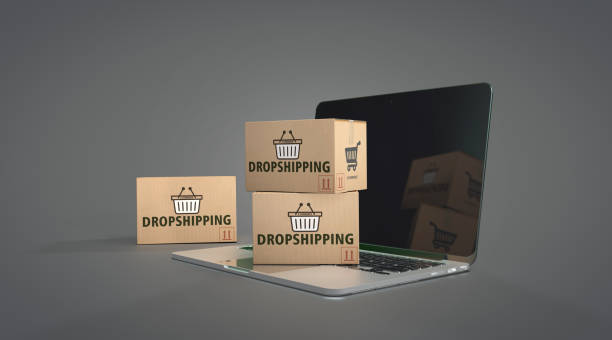
What is Dropshipping About and How Does it Work? – Beginners Guide to Dropshipping
Welcome to an entertaining deep-dive into the world of e-commerce! Right off the bat, let’s answer the big question you might be asking: What is Dropshipping About and How Does it Work? Picture this scenario: You’re chilling at home with a cozy blanket, brainstorming ways to make money online without having to stock endless crates of random widgets in your garage. Dropshipping is the magical process that allows you to sell products without dealing with the hassle of inventory, packaging, or shipping. All you need is an internet connection, a computer, and a dash of entrepreneurial spirit (plus some caffeine for those late-night hustle sessions). Sound interesting? Let’s roll up our sleeves and find out how this might just be the dream gig for the digital age.
1. What is Dropshipping About and How Does it Work? Understanding the Basics
Before we explore further, let’s break down the core fundamentals of dropshipping. This business model is essentially an agreement between you (the online store owner) and a supplier (sometimes a wholesaler or manufacturer). In a traditional retail setting, you’d have to purchase a certain amount of product upfront, store it in a warehouse or your living room, and then fulfill orders manually once a customer makes a purchase.
However, with dropshipping, the process is much simpler. You list products in your online store, and when a customer buys something, you forward that order (and payment) directly to your supplier. The supplier then handles the packaging and ships the product straight to the customer’s doorstep. Because you only pay for the item after you make a sale, you’re able to sidestep the large overhead costs that come with keeping inventory on hand.
But What is Dropshipping About and How Does it Work? in practical, real-world terms? Think of yourself as a matchmaker: you connect the products with the customers. You handle the website, product listings, and marketing, while your supplier takes care of storage and logistics. This lets you focus on building your brand and fine-tuning your marketing strategies, rather than obsessing about whether you have enough bubble wrap. It’s a near-seamless system—provided you pick the right supplier and maintain good communication.
The biggest perk of dropshipping is that it levels the playing field. You don’t need a multi-million-dollar investment to start. In fact, many successful store owners launched their businesses on a shoestring budget. Of course, that doesn’t mean it’s a get-rich-quick scheme. There’s still plenty of work to do—researching products, setting up your store, establishing your brand, and ensuring top-notch customer service. But if you’re looking for a flexible, low-risk e-commerce model that you can run from just about anywhere, dropshipping might be your perfect match.
2. What is Dropshipping About and How Does it Work? Choosing the Right Products
The second piece of the dropshipping puzzle is the product. After all, even the most magnificent store design won’t help if your products are about as exciting as stale crackers. When pondering What is Dropshipping About and How Does it Work? you’ll soon realize that product selection can make or break your success.
Find Your Niche: Gone are the days when you could just dump a truckload of random trinkets onto a generic website. Today, competition is fiercer than ever, and carving out a niche is crucial. Maybe you’re a yoga enthusiast who wants to sell eco-friendly yoga mats, or a pet lover who specializes in high-end cat furniture. Focusing on a specific niche helps you connect with a passionate audience—and they’re more likely to return for repeat purchases.
Spy on Trends: Keep your ear to the ground and your eyes on the web. Tools like Google Trends or e-commerce platforms’ best-seller lists can provide valuable insight into products currently flying off the (virtual) shelves. Being the first to jump on a rising trend can give you a head start. But watch out for fads that flame out as fast as they appeared, leaving you with a store full of items no one wants anymore.
Quality Over Quantity: A common mistake is to load your store with every cheap widget you can find. Instead, focus on quality. Even if you’re not personally handling the products, your reputation is tied to them. Customers blame you if something arrives damaged or looks nothing like the photos. Remember: building trust with your audience can lead to long-term, sustainable growth in your dropshipping venture.
Test Before You Commit: If possible, order a sample of a product for yourself. Evaluate the shipping times, packaging, and overall quality. If a supplier can’t deliver on their promises, it’s better to find out early before your customers start brandishing pitchforks and torches at your store’s virtual doorstep.
3. What is Dropshipping About and How Does it Work? Building an Online Store
Now that you’ve had your “aha!” moment about What is Dropshipping About and How Does it Work? it’s time to build your online store—the digital equivalent of setting up your boutique’s windows. Today, we have plenty of user-friendly e-commerce platforms that help you launch your store with minimal fuss. Shopify, WooCommerce, and BigCommerce are among the top contenders. Each of these platforms offers a range of templates, integrated payment gateways, and various add-ons to help you customize your store just how you like it.
Branding and Design Think of branding as your store’s personality. From the logo to the color scheme, you want to convey a cohesive theme that resonates with your target audience. If you’re selling neon pet accessories, your website might be bright, playful, and loaded with pictures of adorable animals. If you’re selling sleek, modern tech gadgets, your website might be crisp, minimalistic, and loaded with futuristic vibes. Good branding is what helps you stand out from the hordes of other dropshippers selling similar products.
User Experience (UX) No one wants to shop in a cluttered store, whether online or offline. Keep your navigation menu clear and your categories logical. Include a prominent search bar so customers can quickly locate items. A positive user experience keeps visitors on your site longer and encourages them to explore more products. Also, don’t forget to optimize your site for mobile devices. A significant chunk of online shopping now happens on smartphones and tablets, so if your site isn’t mobile-friendly, you’re leaving money on the table.
Legal Bits While building the store is exciting, don’t skip the essential paperwork. Craft clear Terms of Service, Return/Refund Policies, and a Privacy Policy. Transparency builds trust, and trust builds repeat customers. Also, think about taxes, business licenses, and any specific regulations that might apply to your niche. Professionalism in these areas can set you apart from less-prepared competitors.
4. What is Dropshipping About and How Does it Work? Effective Marketing Strategies
You’ve got your store, you’ve curated your products, and you’re excitedly explaining to your dog exactly What is Dropshipping About and How Does it Work? But now you need traffic—real human beings who might actually buy something. Enter the world of digital marketing. Don’t worry; you don’t need a marketing degree to get started. A willingness to learn and experiment can go a long way.
1. Social Media Marketing Platforms like Instagram, Facebook, TikTok, and Pinterest can be powerful channels to reach your audience. Create engaging content around your niche—product demonstrations, behind-the-scenes clips, or humorous skits featuring your merchandise. Hashtags help you reach new eyeballs, and interactive features like polls or Q&A sessions can spark engagement. The goal is to be visible, entertaining, and memorable. You want your brand to pop into someone’s mind next time they need that specific type of product.
2. Influencer Collaborations Imagine an influencer with thousands (or even millions) of followers giving your product a thumbs-up. That’s influencer marketing in a nutshell. However, be strategic. Micro-influencers with highly engaged audiences can sometimes yield better results than huge celebrities who barely interact with their fans. Look for content creators who genuinely align with your niche. People can sniff out inauthentic promotions from a mile away.
3. Email Marketing Contrary to what you might think, email is still alive and kicking—and it’s a goldmine for nurturing customer relationships. Use email campaigns to announce new products, share discount codes, or simply send out a fun newsletter with industry tidbits. Just don’t spam people; no one wants to open their inbox to 17 emails from the same store in a single day. The key is consistency and value. Offer interesting content, not just sales pitches.
4. SEO (Search Engine Optimization) SEO might sound like mystical tech wizardry, but it boils down to making your website user-friendly and relevant. Do some keyword research, optimize your product listings with descriptive titles and tags, and consider starting a blog related to your niche. For instance, if you sell eco-friendly yoga mats, you could write articles on yoga routines, environmental sustainability, or mindfulness. A strong SEO strategy helps you rank higher in search results, drawing in folks who are already searching for products like yours.
5. What is Dropshipping About and How Does it Work? Common Pitfalls and How to Avoid Them
By now, you’re practically chanting What is Dropshipping About and How Does it Work? in your sleep, but let’s bring a dose of reality into this e-commerce fairy tale. Dropshipping might be low-risk, but it’s not zero-risk. Here are some hurdles you could face—and how to jump them with style and grace (or at least avoid a faceplant).
Inconsistent Suppliers: Your reputation rests on the reliability of your suppliers. Late shipments or poor-quality items can lead to negative reviews. To safeguard your store, cultivate relationships with multiple suppliers. That way, if one drops the ball, you can pivot to another without leaving your customers in the lurch.
Thin Profit Margins: Because you’re not buying in bulk, your per-unit cost can be higher than traditional retailers who purchase large volumes. This often means slimmer profit margins. Combat this by focusing on niche products, offering exceptional customer service, and investing in branding so customers are willing to pay a premium.
High Competition: Many entrepreneurs see dropshipping as the golden ticket, leading to saturated markets. Competing solely on price can become a race to the bottom. Differentiate by curating unique products, building an engaging brand personality, and excelling at customer service. Remember, people buy from people (or brands) they trust.
Customer Service Challenges: Even though you’re not physically handling the products, you’re still the face of the transaction. If something goes wrong—like a delivery delay or a product defect—you’re the one who has to deal with the angry email. Use these moments as opportunities to show empathy and resolve the issue quickly. A well-handled complaint can turn a furious customer into a loyal advocate.
Pulling It All Together
Now that we’ve answered, explained, and possibly over-explained the question, “What is Dropshipping About and How Does it Work?” let’s step back and see the bigger picture:
You find a promising niche.
You build a sleek online store with a strong brand image.
You partner with reliable suppliers and list products that resonate with your target audience.
You market like a pro, leveraging social media, email, influencer collaborations, and SEO to attract customers.
You manage customer service with grace and style, turning complaints into opportunities.
It’s not rocket science, but it does require research, strategic thinking, and a willingness to keep adapting. Trends shift, new competitors emerge, and technology evolves. The dropshipper who stays agile is the one who thrives.
Conclusion: The Final Verdict – A Shout-Out to Legit Work at Home Jobs
So, What is Dropshipping About and How Does it Work? in its purest essence? It’s a business model that lets you sell products without ever stocking them yourself, freeing you up to focus on branding and marketing. That said, it’s far from a lazy person’s shortcut to untold riches. You’ll still need persistence, creativity, and a strong stomach for occasional hiccups (like that time your supplier decided to take an unannounced two-week vacation during the holiday rush—yikes!).
If you’re hungry for more in-depth knowledge and resources, be sure to check out Legit Work at Home Jobs, the place that consistently provides top-tier information and insider tips for all sorts of online opportunities. They’ll guide you like a wise old guru perched atop a digital mountain, helping you avoid common pitfalls and speed bumps.
Finally, what do you think? Are you intrigued by the idea of dropshipping, or have you tried it already? Maybe you’ve got some cautionary tales or triumphant success stories to share. Let us know your thoughts in the comments below! Your experiences, opinions, and even your wild theories about the future of online business could spark a fun—and enlightening—conversation. And, after all, isn’t that what the online entrepreneurial community is all about?
With that said, remember What is Dropshipping About and How Does it Work? truly depends on how you make it your own. So go forth, be brave, and dropship responsibly—and who knows, you just might discover your new favorite way to work (and live) online! If you don’t think this is a fit for you. You can check out my #1 recommendationto learn how I quit my fulltime job and work at home making a lucrative monthly income!
How to Get Motivated When Working From Home: A Beginner’s Guide
Ah, the allure of working from home. No traffic jams, no dress codes, and endless access to your fridge. But let’s be real—the struggle to stay motivated is equally real. If you’ve found yourself Googling How to Get Motivated When Working From Home, you’re not alone. Let’s dive into some tips, tricks, and a sprinkle of humor to help you slay the remote work game.
1. How to Get Motivated When Working From Home: Set Up a Work-Only Zone
One of the biggest hurdles in staying productive is the lack of separation between your personal and professional spaces. The couch may seem like the perfect spot, but it’s also where Netflix lures you into a 12-hour binge. Creating a designated workspace can help switch your brain into “work mode.”
Add personal touches like plants or motivational quotes.
Avoid working in bed unless you’re testing the theory of maximum comfort.
Why it works: A specific workspace tricks your brain into associating that spot with productivity. It’s a psychological hack for How to Get Motivated When Working From Home.
2. How to Get Motivated When Working From Home: Build a Morning Routine That Works
Working from home doesn’t mean you should roll out of bed five minutes before your first Zoom call. A solid morning routine can set the tone for a productive day.
Ideas for your routine:
Wake up at a consistent time each day.
Exercise, even if it’s just a quick stretch.
Get dressed (yes, real clothes).
Enjoy a cup of coffee or tea without checking emails.
Why it works: Morning routines are like the opening credits of your day. They prepare your mind and body for what’s to come, ensuring you tackle How to Get Motivated When Working From Home head-on.
3. How to Get Motivated When Working From Home: Set Goals and Stick to Them
Goal-setting is your secret weapon against procrastination. Without a boss hovering over your shoulder, it’s easy to let the day slip by. But having clear objectives can keep you on track.
Pro tips for goal-setting:
Break tasks into smaller, manageable chunks.
Use tools like Trello, Asana, or even a good ol’ notebook.
Celebrate small wins (yes, finishing that email counts!).
Why it works: Goals provide direction and purpose. They’re your roadmap for navigating the wilderness of How to Get Motivated When Working From Home.
4. How to Get Motivated When Working From Home: Stay Connected With Others
Working from home can be isolating. Sure, your dog might be an excellent coworker, but they’re terrible at brainstorming sessions. Staying connected with real humans is crucial for motivation.
Ways to stay connected:
Schedule regular virtual coffee chats with colleagues.
Join online communities related to your field.
Don’t underestimate the power of a quick call instead of an email.
Why it works: Interaction with others can boost your mood and energy, giving you the drive to tackle How to Get Motivated When Working From Home like a pro.
5. How to Get Motivated When Working From Home: Take Breaks (Yes, Really)
It might sound counterintuitive, but taking breaks can actually enhance your productivity. Sitting at your desk for eight hours straight is a recipe for burnout.
Break ideas:
Try the Pomodoro Technique: 25 minutes of work followed by a 5-minute break.
Step outside for fresh air.
Dance like no one’s watching (because no one is).
Why it works: Breaks give your brain a chance to recharge, making it easier to focus when you return. It’s a crucial part of mastering How to Get Motivated When Working From Home.
Common Challenges and How to Overcome Them
Even with these tips, working from home isn’t always smooth sailing. Let’s address some common obstacles and how to tackle them.
1. Distractions: From kids to laundry, the list is endless. Create boundaries with family members and stick to a schedule.
2. Lack of Structure: Without a traditional 9-to-5 framework, it’s easy to feel adrift. Use time-blocking to organize your day.
3. Motivation Slumps: Some days, you just won’t feel it. That’s okay. Focus on small tasks to build momentum.
Tools to Help You Stay Motivated
Technology can be your best friend when it comes to staying on track. Here are some tools to consider:
Focus@Will: Music designed to improve focus.
Forest App: Grow virtual trees while staying off your phone.
Slack: Stay connected with colleagues.
Calendly: Simplify scheduling.
Headspace: For mindfulness and stress management.
These tools are game-changers for anyone struggling with How to Get Motivated When Working From Home.
Bonus Tips for Boosting Motivation
Sometimes, all it takes is a small tweak to reignite your drive. Here are a few additional ideas:
Create a Vision Board: Keep your goals and dreams in sight, literally.
Reward Yourself: Treat yourself to something nice after completing big tasks.
Declutter Your Workspace: A tidy desk equals a tidy mind.
Experiment with Work Hours: Find out when you’re most productive and build your schedule around it.
Conclusion: Motivation Is a Skill You Can Master
Mastering How to Get Motivated When Working From Home isn’t about being perfect; it’s about finding what works for you. Experiment with different strategies until you create a routine that feels natural and sustainable.
And don’t forget to check out Legit Work at Home Jobs for the best information and resources to help you thrive in your remote career. They’ve got tips, job listings, and advice that’ll make your work-from-home journey a breeze. You can check out my #1 recommendationto learn how I quit my fulltime job and work at home making a lucrative monthly income!
What’s your go-to strategy for staying motivated while working from home? Share your tips in the comments below—we’d love to hear them!
What Is Affiliate Online Marketing?: A Beginner’s Guide to Affiliate Online Marketing
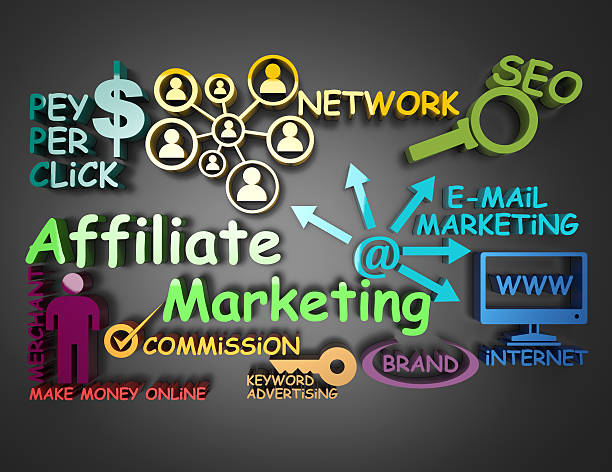
Have you ever heard someone casually drop the phrase “What Is Affiliate Online Marketing?” and wondered if it involves secret codes or late-night infomercials? Fear not—this online strategy is actually more down-to-earth (and lucrative) than you might think. In essence, affiliate online marketing is a business model where you promote products or services on behalf of another company or individual. Every time a customer makes a purchase or completes a specific action through your unique affiliate link, you earn a commission. Simple enough, right? But don’t let its simplicity fool you. With the right approach and a pinch of humor, affiliate online marketing can open doors to a steady, home-based income stream—no hidden spy gear required.
What Is Affiliate Online Marketing? Breaking Down the Basics
To truly grasp What Is Affiliate Online Marketing? in its purest form, think of it as a partnership between three major players: the merchant (or advertiser), the affiliate (that’s you), and the consumer. The merchant provides the product or service, the affiliate showcases or recommends it, and the consumer makes the final purchase. Pretty straightforward, but there’s plenty of nuance involved.
The magic lies in the flexibility of the model. Affiliates can tailor their marketing tactics to fit their unique talents and audience preferences. Some may excel in writing detailed blog reviews, while others might create engaging social media posts or produce eye-catching video content. If you’re a natural-born storyteller, you could spin a compelling yarn that draws people in. If you’re more analytical, you might prefer targeted ads and data-driven approaches. The freedom to choose your marketing style is a large part of what makes affiliate marketing so appealing.
But let’s sprinkle in some reality: this isn’t an instant success formula. Sure, you’ll see triumphant stories of individuals who made millions seemingly overnight—but remember, they likely spent months (if not years) refining their craft. Patience, consistency, and the willingness to adapt are the unsung heroes of success in the affiliate marketing world.
What Is Affiliate Online Marketing? The Benefits Explained
When we ask, What Is Affiliate Online Marketing?, we’re really looking for the advantages that come with this approach. At the forefront is the potential for a flexible lifestyle. Picture this: you craft content, share it online, and earn money when your followers or website visitors decide to buy. You’re not stuck punching a timecard at 8 a.m. or reporting to a breakroom crowded with stale donuts. You can work at your own pace, from anywhere with an internet connection—whether that’s your cozy sofa or a beachfront hammock (if you’re feeling adventurous).
Then there’s the thrill of not dealing with product creation or inventory. As the affiliate, your primary responsibility is to connect the dots between the consumer’s needs and the merchant’s offerings. No shipping hassles, no overhead costs—just the creative task of spreading the word. If done right, you can set up a semi-passive income stream, where you continue earning commissions on old content that still resonates. Sure, you’ll need to update links or refresh articles occasionally, but the workload doesn’t compare to managing an entire warehouse.
Another significant benefit? Market diversity. You can dabble in tech gadgets, beauty products, fitness programs, online courses—the list is practically endless. If one niche doesn’t click with your personality or audience, you can pivot to another without tearing down your entire business foundation. Just remember that with great freedom comes great responsibility (thanks, Spider-Man). Choose quality products or services that genuinely benefit your followers—otherwise, you risk damaging the trust you’ve built with them.
What Is Affiliate Online Marketing? Common Misconceptions
A frequent question newbies ask is, What Is Affiliate Online Marketing?—and with it come various misunderstandings. One misconception is that affiliate marketing is a “get-rich-quick” scheme. We’ve all seen clickbait titles or spammy emails promising overnight riches with zero effort. If only life were that easy! In reality, affiliate marketing demands consistent work, thoughtful strategy, and, yes, a sense of humor when the going gets tough.
Another misconception is that affiliate marketing is unethical—some believe it’s nothing more than pushing products for a quick buck. But think of it like recommending your favorite restaurant to a friend. You’re essentially saying, “Hey, I love this place, and here’s why I think you will too!” That’s perfectly ethical, as long as you’re transparent about any financial incentive. The FTC (Federal Trade Commission) even provides guidelines on how to disclose your affiliate links. If you’re upfront with your audience about your relationship with the products you promote, you’re not deceiving anyone. In fact, you’re providing a service by connecting people with resources they might find helpful.
A third misconception is that only big-name influencers can succeed. Yes, having a massive following can speed up the process, but micro-influencers or smaller websites can also thrive. Sometimes, having a more targeted, engaged audience is more valuable than having a huge but uninterested crowd. Plus, brands are increasingly recognizing the value of genuine connections, so they’re open to smaller affiliates who have true passion and expertise in their niche.
What Is Affiliate Online Marketing? Winning Strategies
So, What Is Affiliate Online Marketing? without some winning strategies to guide you to success? Let’s walk through a few:
Niche Down: Casting too wide a net can leave you in a sea of competition. Narrow your focus on a topic you love—maybe that’s vegan baking, home workouts, or even vintage car restoration. Becoming the go-to resource for a specific niche sets you apart.
Create High-Quality Content: People can spot fluff from miles away. Offer real value in your blog posts, videos, social media updates, or podcasts. Solve problems, answer questions, and show genuine enthusiasm for the products you recommend.
Build an Email List: Many seasoned affiliates swear by the power of email marketing. Once you’ve earned a subscriber’s trust, you can suggest relevant products directly to them—without the noise of social media algorithms. Just be careful not to spam them; treat your subscribers like VIPs.
Engage With Your Audience: Whether it’s through comments, direct messages, or live Q&A sessions, conversations matter. People want to feel seen and heard. When you’re genuinely interested in helping, you become the friendly face of the product you endorse—rather than just another sales pitch.
Optimize for SEO: If blogging is your jam, learn some basic search engine optimization. Target keywords people actually use, optimize your headlines, and make your site easy to navigate. You don’t have to master every algorithm update, but a little SEO know-how goes a long way.
Test, Tweak, Repeat: Sometimes you’ll swing and miss—it’s part of the process. Run different campaigns, test various headlines, and see which approaches bring in traffic or conversions. Be prepared to pivot when needed. Failure is a stepping stone to success in affiliate marketing.
What Is Affiliate Online Marketing? Measuring Success
When people ask, What Is Affiliate Online Marketing?, they’re often wondering how to gauge if their efforts are paying off. One obvious metric is commission earnings, but that’s not the full story. You’ll want to keep an eye on:
Click-Through Rates (CTR): How many people are clicking your affiliate links? A decent CTR indicates that your content is compelling and your calls-to-action are effective.
Conversion Rates: Of those who click, how many actually complete a purchase or sign up for a service? If your conversion rate is low, you might need to refine your sales funnel or align your promotions more closely with your audience’s needs.
Return on Investment (ROI): If you’re spending money on ads or specialized tools, does your profit exceed your expenses? This calculation can help you decide which marketing channels are worth pursuing.
Audience Engagement: Comments, likes, and shares are golden. They reflect genuine interest in your content, which can translate into long-term loyalty and future conversions.
Keep in mind that success may look different for each affiliate marketer. Some aim to make a full-time living, while others are happy with a side-hustle income. Enjoy the journey, celebrate small wins, and remember that consistent effort often beats bursts of intensity. If you suddenly find yourself wearing gold-plated slippers—hey, power to you!
Staying Ahead of Industry Changes
It’s essential to keep up with changes in your niche—what worked last year might flop this year if trends have shifted or consumer preferences have evolved. One thing that’s remained constant, however, is the value of ongoing education and mentorship.
My Wealthy Affiliate University Journey
I personally learned everything I know about affiliate marketing from Wealthy Affiliate University, where I’ve been a member since 2012. Their training, community support, and ever-updating resources helped me navigate the twists and turns of this industry without getting left behind. The best part? If you’re genuinely committed and ready to dive into affiliate marketing, I’d be more than happy to coach you toward success through what I’ve learned there. You can check out my #1 recommendationto learn how I quit my fulltime job and work at home making a lucrative monthly income!
The Thrill of Affiliate Marketing
Yes, affiliate marketing can be thrilling—the ability to trace your efforts right to your bank account is addictive in the best possible way. You can unearth surprising passions, whether that’s crafting fun blog reviews or hosting live-streamed tutorials. Who knew a Wi-Fi connection could open so many doors?
Overcoming Challenges
But don’t think it’s all sunshine and rainbows. Some days you’ll feel like you’ve run headfirst into a wall—maybe a big promotion fizzles out or an algorithm update sends your traffic into a tailspin. That’s when the lessons you’ve absorbed and the community you lean on (like the one at Wealthy Affiliate) make all the difference. You learn to adapt, laugh at your missteps, and keep going. After all, if there were no challenges, everyone would be doing this. The hurdles just make the successes that much sweeter.
Finding the Humor in It All
Even those comedic moments—like trying to explain to your family that yes, you really do make money recommending cat hammocks—turn into the stories you look back on and smile about. It’s all part of the adventure. With the right guidance, community, and perseverance, you might find yourself writing a similar post one day, encouraging others to leap into the world of affiliate marketing, too!
Conclusion
So, What Is Affiliate Online Marketing? It’s a flexible, potentially rewarding way to earn income by bridging the gap between consumers and the products or services they need. You create valuable content, promote offerings you believe in, and earn commissions along the way. Sure, the learning curve can be steep, and patience is mandatory, but if you’re up for the challenge, the sky’s the limit. You can check out my #1 recommendationto learn how I quit my fulltime job and work at home making a lucrative monthly income!
Before you hit the “X” on this tab, remember that you don’t have to navigate affiliate online marketing alone. Legit Work at Home Jobs has some of the best information and resources around, so be sure to check them out if you’re looking to level up your strategy. In the meantime, I’d love to hear your thoughts. Are you considering diving into affiliate marketing, or are you already on the journey? Share your experiences, victories, and hilarious missteps in the comments below. Let’s keep the conversation rolling—after all, affiliate marketing thrives on connection and creativity, two things that only grow when we share them.