Tag: Ecommerce

  • What is a Ecommerce Website?
    What is a Ecommerce Website?

    From Pajamas to Profits: Your Must-Know Guide to eCommerce Websites

    What is a Ecommerce Website? - Women using laptop shopping online with cart icons with a virtual interface shipping global network connection, online shopping, and e-commerce concept.

    Welcome, dear reader, to this exciting and exploration into the world of online business! You might be wondering right off the bat, What is a Ecommerce Website? Well, in the simplest terms, it is your digital storefront—your corner of the internet where you can buy and sell goods or services from anywhere in the world. Think of it as the modern marketplace minus the squeaky shopping carts and faint smell of cinnamon pretzels from the mall. Buckle up, because we’re diving deep into the history, benefits, challenges, and future of eCommerce. By the end, you’ll be ready to launch your own online empire—or at least impress folks at parties with your knowledge of all things digital commerce.


    What is a Ecommerce Website?

    When people ask, “What is a Ecommerce Website?”, they’re referring to any site that allows for commercial transactions of goods or services over the internet. These might be physical products, like the fancy coffee mugs you forgot to add to your holiday wishlist, or digital products, such as eBooks, online courses, or software subscriptions. eCommerce has skyrocketed in popularity because it’s convenient, borderless, and available 24/7. No more racing to get to a physical store before closing time, or rummaging through your wallet for a loyalty card. Instead, a few clicks, a quick payment, and boom—your product is on the way.

    In short, What is a Ecommerce Website? It’s an entire ecosystem, built with technology, that allows businesses—big or small—to reach customers globally, often with far fewer overhead costs than traditional brick-and-mortar operations. Instead of renting a building on Main Street, you can build a digital storefront on your laptop from the comfort of your couch. Anyone else picturing themselves in pajamas with a trusty cup of coffee, conquering the world? Because that’s what eCommerce often looks like behind the scenes!


    What is a Ecommerce Website? The Early Days

    You might be thinking, “Wait a minute, we’ve asked this before: What is a Ecommerce Website? But how did this all get started?” Great question. Let’s step into our digital time machine. eCommerce didn’t just pop up overnight—its roots can be traced back to the early days of the internet. Believe it or not, one of the first online transactions took place in the 1970s, when students at Stanford and MIT used the ARPANET to arrange something suspiciously similar to a small purchase of, shall we say, ‘herbal’ products. That story, while entertaining, shows that as soon as people realized they could move data around, they wanted to move products, too.

    Fast forward to the 1990s—an era of dial-up modems, neon windbreakers, and questionable hairstyles—and you’ll find the birth of big players like Amazon and eBay. Suddenly, you could buy a used CD, a vintage lunchbox, and a rare collectible figurine with just a few keystrokes. The seeds of modern eCommerce were planted, and the rest is history, or should we say, “money in the digital bank.”


    Digital marketing concept, Businessman using laptop with Ads dashboard digital marketing strategy analysis for branding. online advertisement, ad on website and social media. SEO. SMM.

    What is a Ecommerce Website? Key Components

    So, you ask again (because repetition is the mother of learning), “What is a Ecommerce Website?” Another angle is to look at what it’s made of. While the front page of a store may just show a big ‘Shop Now’ button, a fully-fledged eCommerce site is actually a sophisticated synergy of multiple components.

    1. Web Hosting & Domain
      This is the plot of virtual land where your store stands and the address people type in to visit. Just like you’d have a physical address in the real world, your eCommerce website has a domain name (like yourbrandname.com).
    2. Product Catalog & Inventory Management
      Every item or service you offer is stored in a catalog, which might include pictures, descriptions, prices, and variations. Inventory management tools keep track of what’s in stock so you don’t accidentally sell 1,000 red socks when you’ve only got 20.
    3. Shopping Cart & Checkout
      Where the magic happens! This is the digital shopping cart that collects your items and processes your payment. Secure checkout systems handle transactions and help ensure no one’s credit card info ends up where it shouldn’t.
    4. Payment Gateways
      Think PayPal, Stripe, or Authorize.net. Payment gateways handle the nitty-gritty of encrypting financial data, verifying transactions, and transferring money from customer to business. They’re like the invisible bouncers of your online store.
    5. Shipping & Fulfillment
      Once you’ve got an order, it needs to get from point A to point B. Many eCommerce businesses partner with logistics providers or choose drop-shipping models to skip the dreaded “box warehouse in your garage” scenario.
    6. Security & Privacy
      Because you’re dealing with sensitive customer information, you need SSL certificates, data encryption, and compliance with regulations like GDPR or CCPA. No one wants to shop in a store riddled with security holes.

    What is a Ecommerce Website? Benefits & Advantages

    Alright, we’ve answered the question multiple times, “What is a Ecommerce Website?,” but let’s delve into why people love eCommerce so much. Here are some noteworthy advantages:

    1. Convenience

    eCommerce never sleeps. While you’re binge-watching your favorite show at 2 AM, a shopper across the globe might be adding items to their cart. This around-the-clock convenience is especially handy for busy folks who don’t have time to visit physical stores.

    2. Global Reach

    Say goodbye to local boundaries. With an eCommerce site, a mom in London can buy handmade jewelry from a craftsperson in Brazil. The entire planet becomes your customer base, provided you can handle the shipping and marketing.

    3. Lower Operating Costs

    Compared to renting or buying a physical storefront, the cost of setting up an online shop is often much lower. Sure, you’ll invest in a good website, some marketing, and product development, but you won’t be paying for a massive building or employing an army of store associates.

    4. Personalized Customer Experience

    With analytics and tracking tools, you can personalize promotions based on browsing behavior, purchase history, and more. Didn’t you wonder how those targeted ads are always weirdly on point?

    5. Scalability

    eCommerce platforms make it easy to scale up when your business starts booming. Maybe you begin by selling a small range of T-shirts, then expand into hoodies, hats, or even a subscription box for that monthly dose of comfy fashion. Online platforms are flexible and can grow with you.


    What is a Ecommerce Website? - Startup small business SME, Entrepreneur owner woman using smartphone or tablet taking receive and checking online purchase shopping order to preparing pack product box.

    The Lighter Side of eCommerce

    Before we continue, let’s lighten the mood with a little comedic relief:

    • Return Policies: Have you ever bought something online at 3 AM you regretted the next morning? Fear not—most eCommerce sites have flexible return policies for your impulsive, half-asleep, or caffeine-fueled purchases.
    • Online Shopping Sprees: We’ve all gotten that adrenaline rush from clicking “Buy Now.” Some of us have that recurring nightmare about the credit card statement, but hey—what’s life without a little risk?

    Obstacles & Pitfalls of Running an eCommerce Store

    Yes, eCommerce is awesome, but it’s not all digital sunshine and roses. Here are a few pitfalls to watch out for:

    1. Shipping & Logistics Challenges
      Did you know that shipping costs can quickly eat into your profit margins? If you’re shipping internationally, you may have to navigate customs forms, duties, and taxes. That fancy coffee mug you sold to a customer in Switzerland might arrive after a snail-paced journey across the globe.
    2. Website Downtime
      Imagine your store having a digital meltdown on Black Friday, one of the biggest shopping days of the year. Eek! Reliable hosting and robust architecture are crucial to avoid those dreaded “404 Error” messages.
    3. Security Threats
      Online stores are prime targets for hackers looking to steal credit card numbers or personal information. Investing in cybersecurity measures is a must. If customers don’t trust your store, they’ll flee faster than cartoon characters chasing after an ice cream truck.
    4. Intense Competition
      Because it’s relatively easy to start an online store, you might face a mountain of competitors. Differentiating yourself—through a unique brand identity, creative marketing, or exceptional customer service—can be the key to standing out in a crowded market.
    5. Customer Trust & Reviews
      On the internet, everyone can be a critic. Negative reviews can spread like wildfire on social media. Offering stellar customer service and actively managing your online reputation is crucial for maintaining positive vibes around your brand.

    Mini shopping bag, boxes and cart on laptop, closeup. Online store

    Types of eCommerce Business Models

    Even though we’ve hammered home, “What is a Ecommerce Website?”. Not all eCommerce sites are created equal. Here are a few major categories:

    1. B2B (Business-to-Business)
      Here, businesses sell products or services to other businesses. Think wholesale suppliers, software solution providers, or manufacturers.
    2. B2C (Business-to-Consumer)
      This is the classic Amazon or Walmart.com model, where businesses sell directly to the general public. It’s probably what you picture most often when you think “online shopping.”
    3. C2C (Consumer-to-Consumer)
      Platforms like eBay or Etsy can fall under this category, where individuals sell to other individuals. It’s like a digital flea market—a place to turn your old vinyl records into someone else’s treasure.
    4. C2B (Consumer-to-Business)
      In this less common setup, individuals sell products or services to businesses. Think of a social media influencer licensing a photo or a freelance web designer building a company’s website.
    5. D2C (Direct-to-Consumer)
      Brands skip the usual retail or wholesale route and sell directly to you. Many new, trendy companies adopt this model to offer specialized goods and keep more control over branding and margins.

    Essential Marketing Strategies for eCommerce Success

    If you want your store to blossom, you can’t just build a site and hope the internet’s magic elves do the rest. Marketing is essential for attracting the right customers. Here are some top strategies:

    1. SEO (Search Engine Optimization)
      Because if your store doesn’t pop up on Google’s first page, does it really exist? A strong SEO strategy involves relevant keywords, quality content, and technical optimization.
    2. Content Marketing
      Blogs, videos, podcasts—oh my! Providing valuable content around your niche can reel in potential customers and keep them coming back.
    3. Email Marketing
      Want to turn potential customers into loyal fans? Offer a newsletter or exclusive deals. Everyone loves a good sale, and email is the perfect vehicle to deliver tempting promotions.
    4. Social Media Advertising
      You can target your ads to specific demographics, interests, or even lookalike audiences. That means your crocheted cat sweaters will appear right in front of people who love both cats and crocheted sweaters. Genius, right?
    5. Influencer Collaborations
      Partner with individuals who have large followings in your niche. An endorsement from a popular influencer can translate into instant traffic and credibility.

    What is a Ecommerce Website? - Asian woman and man online seller prepare parcel box and check orders of product for deliver to customer. Couple e-commerce business owner holding packages in store warehouse, online shopping concept.

    A Day in the Life of an eCommerce Entrepreneur

    Let’s pause from the formalities and paint a picture of the typical day for someone who owns an eCommerce site:

    • 7:00 AM: Roll out of bed, check phone to see overnight orders (and try not to spill your morning coffee when you see those sweet sale notifications).
    • 9:00 AM: Hop onto your store’s dashboard to update inventory levels, respond to customer inquiries, and maybe tweak a product listing.
    • 11:00 AM: Dive into marketing mode. Schedule some social media posts, write a quick blog, or brainstorm your next promotional campaign.
    • 2:00 PM: Lunch break? Hah! You realize you forgot to reorder packaging supplies, so you scramble to avoid running out.
    • 5:00 PM: Analyze your store metrics—traffic, conversions, average order value. You notice a spike in traffic from Australia—time to consider adding a shipping option there!
    • 7:00 PM: Relax with Netflix… or not. Because your phone pings every time a new order comes in, and you’re secretly addicted to that sound of digital cha-ching.

    This day-in-the-life snippet showcases both the flexibility and the challenges. You can work from anywhere, but sometimes that means you work everywhere—on the go, in your bedroom, or even while theoretically “on vacation.”


    What is a Ecommerce Website?: The eCommerce “CEO” Title

    One of the funniest quirks about running an online store is how easily you can call yourself a CEO. You might just be selling customized socks from your spare room, but hey—it’s your brand, so by all means, call yourself “Chief Sock Officer.” Because in the world of eCommerce, big titles often mask the reality: you’re the entire staff—marketing, product development, customer support, shipping, even janitorial if your “warehouse” is your messy living room. But that’s part of the charm!


    A man lies on a sofa using his smartphone and a credit card for online shopping, viewing a discount ad. The scene conveys relaxation, technology use, and digital commerce convenience.

    Practical Tips & Tools for eCommerce Beginners

    1. Choose the Right Platform
      Shopify, WooCommerce, BigCommerce—there’s no shortage of eCommerce platforms. Research their fees, integrations, and ease of use to find the best fit.
    2. Optimize for Mobile
      Most online shoppers browse on their phones. A slow or clunky mobile experience is a recipe for cart abandonment.
    3. Offer Excellent Customer Service
      Respond quickly, be polite, and go the extra mile. Surprise your customers with small gestures, like personalized thank-you notes.
    4. Diversify Your Marketing Channels
      Don’t rely solely on one platform or ad strategy. If an algorithm changes, you might see your traffic plummet overnight.
    5. Test & Track
      Use A/B testing for product pages, email subject lines, and ads. Track everything—data is your friend, and it tells you what works and what definitely doesn’t.

    What is a Ecommerce Website? - Set business goals for 2025, businessman holds up arrow charging graph Show business growth with text 2025, implementation of business goals plan, development to achieve prosperity and success.

    Future of eCommerce

    It’s safe to say eCommerce is here to stay, and it’s evolving faster than the cast of a popular TV show. Some trends to watch for include:

    • Voice Commerce: Ordering items by talking to your voice assistant. “Hey device, order me more cat litter!”
    • Augmented Reality (AR): Virtually try on clothes or see how furniture looks in your living room before you buy.
    • Cryptocurrency Payments: As digital currencies become more mainstream, expect more online stores to accept crypto.
    • Automation & AI: Chatbots, automated inventory alerts, and personalization that can guess what you’ll buy before you even know you want it.

    Conclusion: Why “What is a Ecommerce Website?” Matters for Your Future

    You’ve made it this far, so let’s revisit the question one last time. What is a Ecommerce Website? It’s an opportunity, What is a Ecommerce Website? It’s a digital storefront open to the entire planet, What is a Ecommerce Website? It’s a vital component of modern business, What is a Ecommerce Website? It’s a chance for anyone—from a solo entrepreneur to a massive corporation—to connect with customers like never before.

    If you’re excited to dive deeper, Legit Work at Home Jobs provides some of the best information and resources to help you get started or improve your eCommerce game. Whether you’re dreaming about building a thriving online store or just want to earn a little side income by selling custom T-shirts, the possibilities are endless.

    Don’t let the technical details or startup costs deter you—many eCommerce pros started with a humble website and a single product. If you don’t think this is a fit for you. You can check out my #1 recommendation to learn how I quit my fulltime job and work at home making a lucrative monthly income!

    Now it’s your turn: What are your thoughts on eCommerce? Do you have success stories, hilarious online shopping fails, or burning questions about the best platform to use? Drop a comment below—we’d love to hear your insights, anecdotes, and advice. By sharing our experiences, we can all learn and grow in this ever-changing digital landscape. Your idea might spark the next big eCommerce sensation!

  • What is Dropshipping About and How Does it Work?

    What is Dropshipping About and How Does it Work?


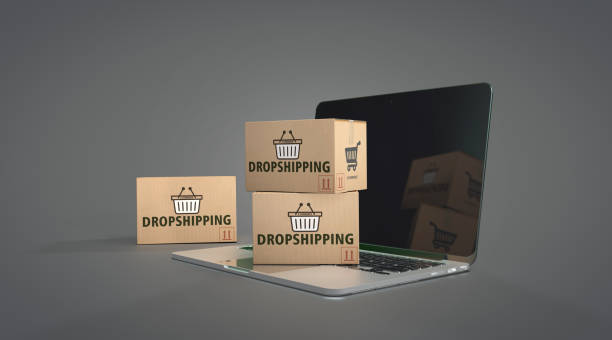
    What is Dropshipping About and How Does it Work? - It is a 3D visual design of dropshipping  boxes on a laptop.

    What is Dropshipping About and How Does it Work? – Beginners Guide to Dropshipping

    Welcome to an entertaining deep-dive into the world of e-commerce! Right off the bat, let’s answer the big question you might be asking: What is Dropshipping About and How Does it Work?
    Picture this scenario: You’re chilling at home with a cozy blanket, brainstorming ways to make money online without having to stock endless crates of random widgets in your garage. Dropshipping is the magical process that allows you to sell products without dealing with the hassle of inventory, packaging, or shipping. All you need is an internet connection, a computer, and a dash of entrepreneurial spirit (plus some caffeine for those late-night hustle sessions). Sound interesting? Let’s roll up our sleeves and find out how this might just be the dream gig for the digital age.


    1. What is Dropshipping About and How Does it Work? Understanding the Basics

    Before we explore further, let’s break down the core fundamentals of dropshipping. This business model is essentially an agreement between you (the online store owner) and a supplier (sometimes a wholesaler or manufacturer). In a traditional retail setting, you’d have to purchase a certain amount of product upfront, store it in a warehouse or your living room, and then fulfill orders manually once a customer makes a purchase.

    However, with dropshipping, the process is much simpler. You list products in your online store, and when a customer buys something, you forward that order (and payment) directly to your supplier. The supplier then handles the packaging and ships the product straight to the customer’s doorstep. Because you only pay for the item after you make a sale, you’re able to sidestep the large overhead costs that come with keeping inventory on hand.

    But What is Dropshipping About and How Does it Work? in practical, real-world terms? Think of yourself as a matchmaker: you connect the products with the customers. You handle the website, product listings, and marketing, while your supplier takes care of storage and logistics. This lets you focus on building your brand and fine-tuning your marketing strategies, rather than obsessing about whether you have enough bubble wrap. It’s a near-seamless system—provided you pick the right supplier and maintain good communication.

    The biggest perk of dropshipping is that it levels the playing field. You don’t need a multi-million-dollar investment to start. In fact, many successful store owners launched their businesses on a shoestring budget. Of course, that doesn’t mean it’s a get-rich-quick scheme. There’s still plenty of work to do—researching products, setting up your store, establishing your brand, and ensuring top-notch customer service. But if you’re looking for a flexible, low-risk e-commerce model that you can run from just about anywhere, dropshipping might be your perfect match.


    Drop shopping online business concept example, five steps scheme vector illustration, Choosing product, listing items, selling and delivering. Flat and simple outline icons.

    2. What is Dropshipping About and How Does it Work? Choosing the Right Products

    The second piece of the dropshipping puzzle is the product. After all, even the most magnificent store design won’t help if your products are about as exciting as stale crackers. When pondering What is Dropshipping About and How Does it Work? you’ll soon realize that product selection can make or break your success.

    1. Find Your Niche: Gone are the days when you could just dump a truckload of random trinkets onto a generic website. Today, competition is fiercer than ever, and carving out a niche is crucial. Maybe you’re a yoga enthusiast who wants to sell eco-friendly yoga mats, or a pet lover who specializes in high-end cat furniture. Focusing on a specific niche helps you connect with a passionate audience—and they’re more likely to return for repeat purchases.
    2. Spy on Trends: Keep your ear to the ground and your eyes on the web. Tools like Google Trends or e-commerce platforms’ best-seller lists can provide valuable insight into products currently flying off the (virtual) shelves. Being the first to jump on a rising trend can give you a head start. But watch out for fads that flame out as fast as they appeared, leaving you with a store full of items no one wants anymore.
    3. Quality Over Quantity: A common mistake is to load your store with every cheap widget you can find. Instead, focus on quality. Even if you’re not personally handling the products, your reputation is tied to them. Customers blame you if something arrives damaged or looks nothing like the photos. Remember: building trust with your audience can lead to long-term, sustainable growth in your dropshipping venture.
    4. Test Before You Commit: If possible, order a sample of a product for yourself. Evaluate the shipping times, packaging, and overall quality. If a supplier can’t deliver on their promises, it’s better to find out early before your customers start brandishing pitchforks and torches at your store’s virtual doorstep.

    What is Dropshipping About and How Does it Work? - Online shop Logistics Transport

    3. What is Dropshipping About and How Does it Work? Building an Online Store

    Now that you’ve had your “aha!” moment about What is Dropshipping About and How Does it Work? it’s time to build your online store—the digital equivalent of setting up your boutique’s windows. Today, we have plenty of user-friendly e-commerce platforms that help you launch your store with minimal fuss. Shopify, WooCommerce, and BigCommerce are among the top contenders. Each of these platforms offers a range of templates, integrated payment gateways, and various add-ons to help you customize your store just how you like it.

    Branding and Design
    Think of branding as your store’s personality. From the logo to the color scheme, you want to convey a cohesive theme that resonates with your target audience. If you’re selling neon pet accessories, your website might be bright, playful, and loaded with pictures of adorable animals. If you’re selling sleek, modern tech gadgets, your website might be crisp, minimalistic, and loaded with futuristic vibes. Good branding is what helps you stand out from the hordes of other dropshippers selling similar products.

    User Experience (UX)
    No one wants to shop in a cluttered store, whether online or offline. Keep your navigation menu clear and your categories logical. Include a prominent search bar so customers can quickly locate items. A positive user experience keeps visitors on your site longer and encourages them to explore more products. Also, don’t forget to optimize your site for mobile devices. A significant chunk of online shopping now happens on smartphones and tablets, so if your site isn’t mobile-friendly, you’re leaving money on the table.

    Legal Bits
    While building the store is exciting, don’t skip the essential paperwork. Craft clear Terms of Service, Return/Refund Policies, and a Privacy Policy. Transparency builds trust, and trust builds repeat customers. Also, think about taxes, business licenses, and any specific regulations that might apply to your niche. Professionalism in these areas can set you apart from less-prepared competitors.


    4. What is Dropshipping About and How Does it Work? Effective Marketing Strategies

    You’ve got your store, you’ve curated your products, and you’re excitedly explaining to your dog exactly What is Dropshipping About and How Does it Work? But now you need traffic—real human beings who might actually buy something. Enter the world of digital marketing. Don’t worry; you don’t need a marketing degree to get started. A willingness to learn and experiment can go a long way.

    1. Social Media Marketing
    Platforms like Instagram, Facebook, TikTok, and Pinterest can be powerful channels to reach your audience. Create engaging content around your niche—product demonstrations, behind-the-scenes clips, or humorous skits featuring your merchandise. Hashtags help you reach new eyeballs, and interactive features like polls or Q&A sessions can spark engagement. The goal is to be visible, entertaining, and memorable. You want your brand to pop into someone’s mind next time they need that specific type of product.

    2. Influencer Collaborations
    Imagine an influencer with thousands (or even millions) of followers giving your product a thumbs-up. That’s influencer marketing in a nutshell. However, be strategic. Micro-influencers with highly engaged audiences can sometimes yield better results than huge celebrities who barely interact with their fans. Look for content creators who genuinely align with your niche. People can sniff out inauthentic promotions from a mile away.

    3. Email Marketing
    Contrary to what you might think, email is still alive and kicking—and it’s a goldmine for nurturing customer relationships. Use email campaigns to announce new products, share discount codes, or simply send out a fun newsletter with industry tidbits. Just don’t spam people; no one wants to open their inbox to 17 emails from the same store in a single day. The key is consistency and value. Offer interesting content, not just sales pitches.

    4. SEO (Search Engine Optimization)
    SEO might sound like mystical tech wizardry, but it boils down to making your website user-friendly and relevant. Do some keyword research, optimize your product listings with descriptive titles and tags, and consider starting a blog related to your niche. For instance, if you sell eco-friendly yoga mats, you could write articles on yoga routines, environmental sustainability, or mindfulness. A strong SEO strategy helps you rank higher in search results, drawing in folks who are already searching for products like yours.


    Cartoon Banner Work Online Shopping in Internet. Online Shopping Order Confirmation Assembly Equipment Loading Operations See Transportation City Delivery Courier Delivery. Vector Illustration.

    5. What is Dropshipping About and How Does it Work? Common Pitfalls and How to Avoid Them

    By now, you’re practically chanting What is Dropshipping About and How Does it Work? in your sleep, but let’s bring a dose of reality into this e-commerce fairy tale. Dropshipping might be low-risk, but it’s not zero-risk. Here are some hurdles you could face—and how to jump them with style and grace (or at least avoid a faceplant).

    1. Inconsistent Suppliers: Your reputation rests on the reliability of your suppliers. Late shipments or poor-quality items can lead to negative reviews. To safeguard your store, cultivate relationships with multiple suppliers. That way, if one drops the ball, you can pivot to another without leaving your customers in the lurch.
    2. Thin Profit Margins: Because you’re not buying in bulk, your per-unit cost can be higher than traditional retailers who purchase large volumes. This often means slimmer profit margins. Combat this by focusing on niche products, offering exceptional customer service, and investing in branding so customers are willing to pay a premium.
    3. High Competition: Many entrepreneurs see dropshipping as the golden ticket, leading to saturated markets. Competing solely on price can become a race to the bottom. Differentiate by curating unique products, building an engaging brand personality, and excelling at customer service. Remember, people buy from people (or brands) they trust.
    4. Customer Service Challenges: Even though you’re not physically handling the products, you’re still the face of the transaction. If something goes wrong—like a delivery delay or a product defect—you’re the one who has to deal with the angry email. Use these moments as opportunities to show empathy and resolve the issue quickly. A well-handled complaint can turn a furious customer into a loyal advocate.

    Pulling It All Together

    Now that we’ve answered, explained, and possibly over-explained the question, “What is Dropshipping About and How Does it Work?” let’s step back and see the bigger picture:

    • You find a promising niche.
    • You build a sleek online store with a strong brand image.
    • You partner with reliable suppliers and list products that resonate with your target audience.
    • You market like a pro, leveraging social media, email, influencer collaborations, and SEO to attract customers.
    • You manage customer service with grace and style, turning complaints into opportunities.

    It’s not rocket science, but it does require research, strategic thinking, and a willingness to keep adapting. Trends shift, new competitors emerge, and technology evolves. The dropshipper who stays agile is the one who thrives.


    Conclusion: The Final Verdict – A Shout-Out to Legit Work at Home Jobs

    So, What is Dropshipping About and How Does it Work? in its purest essence? It’s a business model that lets you sell products without ever stocking them yourself, freeing you up to focus on branding and marketing. That said, it’s far from a lazy person’s shortcut to untold riches. You’ll still need persistence, creativity, and a strong stomach for occasional hiccups (like that time your supplier decided to take an unannounced two-week vacation during the holiday rush—yikes!).

    If you’re hungry for more in-depth knowledge and resources, be sure to check out Legit Work at Home Jobs, the place that consistently provides top-tier information and insider tips for all sorts of online opportunities. They’ll guide you like a wise old guru perched atop a digital mountain, helping you avoid common pitfalls and speed bumps.

    Finally, what do you think? Are you intrigued by the idea of dropshipping, or have you tried it already? Maybe you’ve got some cautionary tales or triumphant success stories to share. Let us know your thoughts in the comments below! Your experiences, opinions, and even your wild theories about the future of online business could spark a fun—and enlightening—conversation. And, after all, isn’t that what the online entrepreneurial community is all about?

    With that said, remember What is Dropshipping About and How Does it Work? truly depends on how you make it your own. So go forth, be brave, and dropship responsibly—and who knows, you just might discover your new favorite way to work (and live) online! If you don’t think this is a fit for you. You can check out my #1 recommendation to learn how I quit my fulltime job and work at home making a lucrative monthly income!