Category: Frequently Asked Questions

Discover answers to the most common questions about finding legitimate work-from-home opportunities. Whether you’re curious about how to spot scams, apply for remote jobs, or maximize your productivity at home. Our Frequently Asked Questions section provides clear, concise, and trustworthy guidance to help you succeed in your remote work journey.

  • What is a Ecommerce Website?
    What is a Ecommerce Website?

    From Pajamas to Profits: Your Must-Know Guide to eCommerce Websites

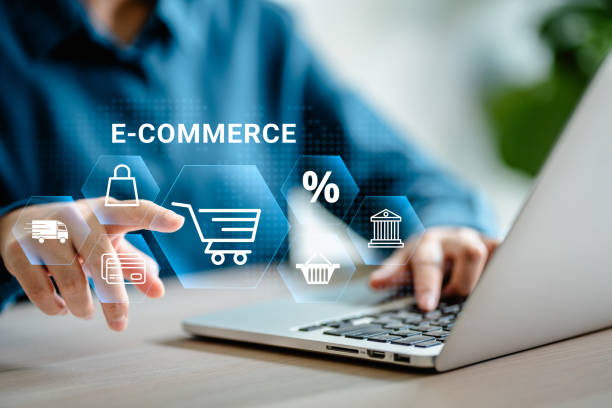
    What is a Ecommerce Website? - Women using laptop shopping online with cart icons with a virtual interface shipping global network connection, online shopping, and e-commerce concept.

    Welcome, dear reader, to this exciting and exploration into the world of online business! You might be wondering right off the bat, What is a Ecommerce Website? Well, in the simplest terms, it is your digital storefront—your corner of the internet where you can buy and sell goods or services from anywhere in the world. Think of it as the modern marketplace minus the squeaky shopping carts and faint smell of cinnamon pretzels from the mall. Buckle up, because we’re diving deep into the history, benefits, challenges, and future of eCommerce. By the end, you’ll be ready to launch your own online empire—or at least impress folks at parties with your knowledge of all things digital commerce.


    What is a Ecommerce Website?

    When people ask, “What is a Ecommerce Website?”, they’re referring to any site that allows for commercial transactions of goods or services over the internet. These might be physical products, like the fancy coffee mugs you forgot to add to your holiday wishlist, or digital products, such as eBooks, online courses, or software subscriptions. eCommerce has skyrocketed in popularity because it’s convenient, borderless, and available 24/7. No more racing to get to a physical store before closing time, or rummaging through your wallet for a loyalty card. Instead, a few clicks, a quick payment, and boom—your product is on the way.

    In short, What is a Ecommerce Website? It’s an entire ecosystem, built with technology, that allows businesses—big or small—to reach customers globally, often with far fewer overhead costs than traditional brick-and-mortar operations. Instead of renting a building on Main Street, you can build a digital storefront on your laptop from the comfort of your couch. Anyone else picturing themselves in pajamas with a trusty cup of coffee, conquering the world? Because that’s what eCommerce often looks like behind the scenes!


    What is a Ecommerce Website? The Early Days

    You might be thinking, “Wait a minute, we’ve asked this before: What is a Ecommerce Website? But how did this all get started?” Great question. Let’s step into our digital time machine. eCommerce didn’t just pop up overnight—its roots can be traced back to the early days of the internet. Believe it or not, one of the first online transactions took place in the 1970s, when students at Stanford and MIT used the ARPANET to arrange something suspiciously similar to a small purchase of, shall we say, ‘herbal’ products. That story, while entertaining, shows that as soon as people realized they could move data around, they wanted to move products, too.

    Fast forward to the 1990s—an era of dial-up modems, neon windbreakers, and questionable hairstyles—and you’ll find the birth of big players like Amazon and eBay. Suddenly, you could buy a used CD, a vintage lunchbox, and a rare collectible figurine with just a few keystrokes. The seeds of modern eCommerce were planted, and the rest is history, or should we say, “money in the digital bank.”


    Digital marketing concept, Businessman using laptop with Ads dashboard digital marketing strategy analysis for branding. online advertisement, ad on website and social media. SEO. SMM.

    What is a Ecommerce Website? Key Components

    So, you ask again (because repetition is the mother of learning), “What is a Ecommerce Website?” Another angle is to look at what it’s made of. While the front page of a store may just show a big ‘Shop Now’ button, a fully-fledged eCommerce site is actually a sophisticated synergy of multiple components.

    1. Web Hosting & Domain
      This is the plot of virtual land where your store stands and the address people type in to visit. Just like you’d have a physical address in the real world, your eCommerce website has a domain name (like yourbrandname.com).
    2. Product Catalog & Inventory Management
      Every item or service you offer is stored in a catalog, which might include pictures, descriptions, prices, and variations. Inventory management tools keep track of what’s in stock so you don’t accidentally sell 1,000 red socks when you’ve only got 20.
    3. Shopping Cart & Checkout
      Where the magic happens! This is the digital shopping cart that collects your items and processes your payment. Secure checkout systems handle transactions and help ensure no one’s credit card info ends up where it shouldn’t.
    4. Payment Gateways
      Think PayPal, Stripe, or Authorize.net. Payment gateways handle the nitty-gritty of encrypting financial data, verifying transactions, and transferring money from customer to business. They’re like the invisible bouncers of your online store.
    5. Shipping & Fulfillment
      Once you’ve got an order, it needs to get from point A to point B. Many eCommerce businesses partner with logistics providers or choose drop-shipping models to skip the dreaded “box warehouse in your garage” scenario.
    6. Security & Privacy
      Because you’re dealing with sensitive customer information, you need SSL certificates, data encryption, and compliance with regulations like GDPR or CCPA. No one wants to shop in a store riddled with security holes.

    What is a Ecommerce Website? Benefits & Advantages

    Alright, we’ve answered the question multiple times, “What is a Ecommerce Website?,” but let’s delve into why people love eCommerce so much. Here are some noteworthy advantages:

    1. Convenience

    eCommerce never sleeps. While you’re binge-watching your favorite show at 2 AM, a shopper across the globe might be adding items to their cart. This around-the-clock convenience is especially handy for busy folks who don’t have time to visit physical stores.

    2. Global Reach

    Say goodbye to local boundaries. With an eCommerce site, a mom in London can buy handmade jewelry from a craftsperson in Brazil. The entire planet becomes your customer base, provided you can handle the shipping and marketing.

    3. Lower Operating Costs

    Compared to renting or buying a physical storefront, the cost of setting up an online shop is often much lower. Sure, you’ll invest in a good website, some marketing, and product development, but you won’t be paying for a massive building or employing an army of store associates.

    4. Personalized Customer Experience

    With analytics and tracking tools, you can personalize promotions based on browsing behavior, purchase history, and more. Didn’t you wonder how those targeted ads are always weirdly on point?

    5. Scalability

    eCommerce platforms make it easy to scale up when your business starts booming. Maybe you begin by selling a small range of T-shirts, then expand into hoodies, hats, or even a subscription box for that monthly dose of comfy fashion. Online platforms are flexible and can grow with you.


    What is a Ecommerce Website? - Startup small business SME, Entrepreneur owner woman using smartphone or tablet taking receive and checking online purchase shopping order to preparing pack product box.

    The Lighter Side of eCommerce

    Before we continue, let’s lighten the mood with a little comedic relief:

    • Return Policies: Have you ever bought something online at 3 AM you regretted the next morning? Fear not—most eCommerce sites have flexible return policies for your impulsive, half-asleep, or caffeine-fueled purchases.
    • Online Shopping Sprees: We’ve all gotten that adrenaline rush from clicking “Buy Now.” Some of us have that recurring nightmare about the credit card statement, but hey—what’s life without a little risk?

    Obstacles & Pitfalls of Running an eCommerce Store

    Yes, eCommerce is awesome, but it’s not all digital sunshine and roses. Here are a few pitfalls to watch out for:

    1. Shipping & Logistics Challenges
      Did you know that shipping costs can quickly eat into your profit margins? If you’re shipping internationally, you may have to navigate customs forms, duties, and taxes. That fancy coffee mug you sold to a customer in Switzerland might arrive after a snail-paced journey across the globe.
    2. Website Downtime
      Imagine your store having a digital meltdown on Black Friday, one of the biggest shopping days of the year. Eek! Reliable hosting and robust architecture are crucial to avoid those dreaded “404 Error” messages.
    3. Security Threats
      Online stores are prime targets for hackers looking to steal credit card numbers or personal information. Investing in cybersecurity measures is a must. If customers don’t trust your store, they’ll flee faster than cartoon characters chasing after an ice cream truck.
    4. Intense Competition
      Because it’s relatively easy to start an online store, you might face a mountain of competitors. Differentiating yourself—through a unique brand identity, creative marketing, or exceptional customer service—can be the key to standing out in a crowded market.
    5. Customer Trust & Reviews
      On the internet, everyone can be a critic. Negative reviews can spread like wildfire on social media. Offering stellar customer service and actively managing your online reputation is crucial for maintaining positive vibes around your brand.

    Mini shopping bag, boxes and cart on laptop, closeup. Online store

    Types of eCommerce Business Models

    Even though we’ve hammered home, “What is a Ecommerce Website?”. Not all eCommerce sites are created equal. Here are a few major categories:

    1. B2B (Business-to-Business)
      Here, businesses sell products or services to other businesses. Think wholesale suppliers, software solution providers, or manufacturers.
    2. B2C (Business-to-Consumer)
      This is the classic Amazon or Walmart.com model, where businesses sell directly to the general public. It’s probably what you picture most often when you think “online shopping.”
    3. C2C (Consumer-to-Consumer)
      Platforms like eBay or Etsy can fall under this category, where individuals sell to other individuals. It’s like a digital flea market—a place to turn your old vinyl records into someone else’s treasure.
    4. C2B (Consumer-to-Business)
      In this less common setup, individuals sell products or services to businesses. Think of a social media influencer licensing a photo or a freelance web designer building a company’s website.
    5. D2C (Direct-to-Consumer)
      Brands skip the usual retail or wholesale route and sell directly to you. Many new, trendy companies adopt this model to offer specialized goods and keep more control over branding and margins.

    Essential Marketing Strategies for eCommerce Success

    If you want your store to blossom, you can’t just build a site and hope the internet’s magic elves do the rest. Marketing is essential for attracting the right customers. Here are some top strategies:

    1. SEO (Search Engine Optimization)
      Because if your store doesn’t pop up on Google’s first page, does it really exist? A strong SEO strategy involves relevant keywords, quality content, and technical optimization.
    2. Content Marketing
      Blogs, videos, podcasts—oh my! Providing valuable content around your niche can reel in potential customers and keep them coming back.
    3. Email Marketing
      Want to turn potential customers into loyal fans? Offer a newsletter or exclusive deals. Everyone loves a good sale, and email is the perfect vehicle to deliver tempting promotions.
    4. Social Media Advertising
      You can target your ads to specific demographics, interests, or even lookalike audiences. That means your crocheted cat sweaters will appear right in front of people who love both cats and crocheted sweaters. Genius, right?
    5. Influencer Collaborations
      Partner with individuals who have large followings in your niche. An endorsement from a popular influencer can translate into instant traffic and credibility.

    What is a Ecommerce Website? - Asian woman and man online seller prepare parcel box and check orders of product for deliver to customer. Couple e-commerce business owner holding packages in store warehouse, online shopping concept.

    A Day in the Life of an eCommerce Entrepreneur

    Let’s pause from the formalities and paint a picture of the typical day for someone who owns an eCommerce site:

    • 7:00 AM: Roll out of bed, check phone to see overnight orders (and try not to spill your morning coffee when you see those sweet sale notifications).
    • 9:00 AM: Hop onto your store’s dashboard to update inventory levels, respond to customer inquiries, and maybe tweak a product listing.
    • 11:00 AM: Dive into marketing mode. Schedule some social media posts, write a quick blog, or brainstorm your next promotional campaign.
    • 2:00 PM: Lunch break? Hah! You realize you forgot to reorder packaging supplies, so you scramble to avoid running out.
    • 5:00 PM: Analyze your store metrics—traffic, conversions, average order value. You notice a spike in traffic from Australia—time to consider adding a shipping option there!
    • 7:00 PM: Relax with Netflix… or not. Because your phone pings every time a new order comes in, and you’re secretly addicted to that sound of digital cha-ching.

    This day-in-the-life snippet showcases both the flexibility and the challenges. You can work from anywhere, but sometimes that means you work everywhere—on the go, in your bedroom, or even while theoretically “on vacation.”


    What is a Ecommerce Website?: The eCommerce “CEO” Title

    One of the funniest quirks about running an online store is how easily you can call yourself a CEO. You might just be selling customized socks from your spare room, but hey—it’s your brand, so by all means, call yourself “Chief Sock Officer.” Because in the world of eCommerce, big titles often mask the reality: you’re the entire staff—marketing, product development, customer support, shipping, even janitorial if your “warehouse” is your messy living room. But that’s part of the charm!


    A man lies on a sofa using his smartphone and a credit card for online shopping, viewing a discount ad. The scene conveys relaxation, technology use, and digital commerce convenience.

    Practical Tips & Tools for eCommerce Beginners

    1. Choose the Right Platform
      Shopify, WooCommerce, BigCommerce—there’s no shortage of eCommerce platforms. Research their fees, integrations, and ease of use to find the best fit.
    2. Optimize for Mobile
      Most online shoppers browse on their phones. A slow or clunky mobile experience is a recipe for cart abandonment.
    3. Offer Excellent Customer Service
      Respond quickly, be polite, and go the extra mile. Surprise your customers with small gestures, like personalized thank-you notes.
    4. Diversify Your Marketing Channels
      Don’t rely solely on one platform or ad strategy. If an algorithm changes, you might see your traffic plummet overnight.
    5. Test & Track
      Use A/B testing for product pages, email subject lines, and ads. Track everything—data is your friend, and it tells you what works and what definitely doesn’t.

    What is a Ecommerce Website? - Set business goals for 2025, businessman holds up arrow charging graph Show business growth with text 2025, implementation of business goals plan, development to achieve prosperity and success.

    Future of eCommerce

    It’s safe to say eCommerce is here to stay, and it’s evolving faster than the cast of a popular TV show. Some trends to watch for include:

    • Voice Commerce: Ordering items by talking to your voice assistant. “Hey device, order me more cat litter!”
    • Augmented Reality (AR): Virtually try on clothes or see how furniture looks in your living room before you buy.
    • Cryptocurrency Payments: As digital currencies become more mainstream, expect more online stores to accept crypto.
    • Automation & AI: Chatbots, automated inventory alerts, and personalization that can guess what you’ll buy before you even know you want it.

    Conclusion: Why “What is a Ecommerce Website?” Matters for Your Future

    You’ve made it this far, so let’s revisit the question one last time. What is a Ecommerce Website? It’s an opportunity, What is a Ecommerce Website? It’s a digital storefront open to the entire planet, What is a Ecommerce Website? It’s a vital component of modern business, What is a Ecommerce Website? It’s a chance for anyone—from a solo entrepreneur to a massive corporation—to connect with customers like never before.

    If you’re excited to dive deeper, Legit Work at Home Jobs provides some of the best information and resources to help you get started or improve your eCommerce game. Whether you’re dreaming about building a thriving online store or just want to earn a little side income by selling custom T-shirts, the possibilities are endless.

    Don’t let the technical details or startup costs deter you—many eCommerce pros started with a humble website and a single product. If you don’t think this is a fit for you. You can check out my #1 recommendation to learn how I quit my fulltime job and work at home making a lucrative monthly income!

    Now it’s your turn: What are your thoughts on eCommerce? Do you have success stories, hilarious online shopping fails, or burning questions about the best platform to use? Drop a comment below—we’d love to hear your insights, anecdotes, and advice. By sharing our experiences, we can all learn and grow in this ever-changing digital landscape. Your idea might spark the next big eCommerce sensation!

  • What is Dropshipping About and How Does it Work?

    What is Dropshipping About and How Does it Work?


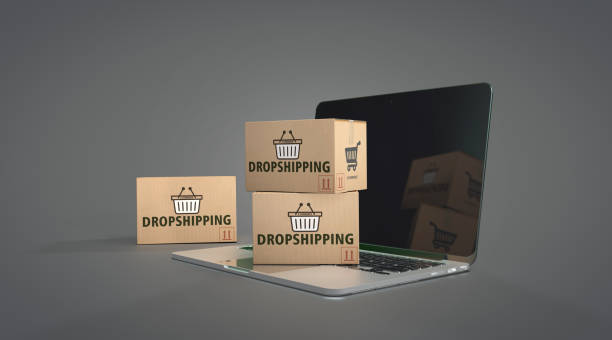
    What is Dropshipping About and How Does it Work? - It is a 3D visual design of dropshipping  boxes on a laptop.

    What is Dropshipping About and How Does it Work? – Beginners Guide to Dropshipping

    Welcome to an entertaining deep-dive into the world of e-commerce! Right off the bat, let’s answer the big question you might be asking: What is Dropshipping About and How Does it Work?
    Picture this scenario: You’re chilling at home with a cozy blanket, brainstorming ways to make money online without having to stock endless crates of random widgets in your garage. Dropshipping is the magical process that allows you to sell products without dealing with the hassle of inventory, packaging, or shipping. All you need is an internet connection, a computer, and a dash of entrepreneurial spirit (plus some caffeine for those late-night hustle sessions). Sound interesting? Let’s roll up our sleeves and find out how this might just be the dream gig for the digital age.


    1. What is Dropshipping About and How Does it Work? Understanding the Basics

    Before we explore further, let’s break down the core fundamentals of dropshipping. This business model is essentially an agreement between you (the online store owner) and a supplier (sometimes a wholesaler or manufacturer). In a traditional retail setting, you’d have to purchase a certain amount of product upfront, store it in a warehouse or your living room, and then fulfill orders manually once a customer makes a purchase.

    However, with dropshipping, the process is much simpler. You list products in your online store, and when a customer buys something, you forward that order (and payment) directly to your supplier. The supplier then handles the packaging and ships the product straight to the customer’s doorstep. Because you only pay for the item after you make a sale, you’re able to sidestep the large overhead costs that come with keeping inventory on hand.

    But What is Dropshipping About and How Does it Work? in practical, real-world terms? Think of yourself as a matchmaker: you connect the products with the customers. You handle the website, product listings, and marketing, while your supplier takes care of storage and logistics. This lets you focus on building your brand and fine-tuning your marketing strategies, rather than obsessing about whether you have enough bubble wrap. It’s a near-seamless system—provided you pick the right supplier and maintain good communication.

    The biggest perk of dropshipping is that it levels the playing field. You don’t need a multi-million-dollar investment to start. In fact, many successful store owners launched their businesses on a shoestring budget. Of course, that doesn’t mean it’s a get-rich-quick scheme. There’s still plenty of work to do—researching products, setting up your store, establishing your brand, and ensuring top-notch customer service. But if you’re looking for a flexible, low-risk e-commerce model that you can run from just about anywhere, dropshipping might be your perfect match.


    Drop shopping online business concept example, five steps scheme vector illustration, Choosing product, listing items, selling and delivering. Flat and simple outline icons.

    2. What is Dropshipping About and How Does it Work? Choosing the Right Products

    The second piece of the dropshipping puzzle is the product. After all, even the most magnificent store design won’t help if your products are about as exciting as stale crackers. When pondering What is Dropshipping About and How Does it Work? you’ll soon realize that product selection can make or break your success.

    1. Find Your Niche: Gone are the days when you could just dump a truckload of random trinkets onto a generic website. Today, competition is fiercer than ever, and carving out a niche is crucial. Maybe you’re a yoga enthusiast who wants to sell eco-friendly yoga mats, or a pet lover who specializes in high-end cat furniture. Focusing on a specific niche helps you connect with a passionate audience—and they’re more likely to return for repeat purchases.
    2. Spy on Trends: Keep your ear to the ground and your eyes on the web. Tools like Google Trends or e-commerce platforms’ best-seller lists can provide valuable insight into products currently flying off the (virtual) shelves. Being the first to jump on a rising trend can give you a head start. But watch out for fads that flame out as fast as they appeared, leaving you with a store full of items no one wants anymore.
    3. Quality Over Quantity: A common mistake is to load your store with every cheap widget you can find. Instead, focus on quality. Even if you’re not personally handling the products, your reputation is tied to them. Customers blame you if something arrives damaged or looks nothing like the photos. Remember: building trust with your audience can lead to long-term, sustainable growth in your dropshipping venture.
    4. Test Before You Commit: If possible, order a sample of a product for yourself. Evaluate the shipping times, packaging, and overall quality. If a supplier can’t deliver on their promises, it’s better to find out early before your customers start brandishing pitchforks and torches at your store’s virtual doorstep.

    What is Dropshipping About and How Does it Work? - Online shop Logistics Transport

    3. What is Dropshipping About and How Does it Work? Building an Online Store

    Now that you’ve had your “aha!” moment about What is Dropshipping About and How Does it Work? it’s time to build your online store—the digital equivalent of setting up your boutique’s windows. Today, we have plenty of user-friendly e-commerce platforms that help you launch your store with minimal fuss. Shopify, WooCommerce, and BigCommerce are among the top contenders. Each of these platforms offers a range of templates, integrated payment gateways, and various add-ons to help you customize your store just how you like it.

    Branding and Design
    Think of branding as your store’s personality. From the logo to the color scheme, you want to convey a cohesive theme that resonates with your target audience. If you’re selling neon pet accessories, your website might be bright, playful, and loaded with pictures of adorable animals. If you’re selling sleek, modern tech gadgets, your website might be crisp, minimalistic, and loaded with futuristic vibes. Good branding is what helps you stand out from the hordes of other dropshippers selling similar products.

    User Experience (UX)
    No one wants to shop in a cluttered store, whether online or offline. Keep your navigation menu clear and your categories logical. Include a prominent search bar so customers can quickly locate items. A positive user experience keeps visitors on your site longer and encourages them to explore more products. Also, don’t forget to optimize your site for mobile devices. A significant chunk of online shopping now happens on smartphones and tablets, so if your site isn’t mobile-friendly, you’re leaving money on the table.

    Legal Bits
    While building the store is exciting, don’t skip the essential paperwork. Craft clear Terms of Service, Return/Refund Policies, and a Privacy Policy. Transparency builds trust, and trust builds repeat customers. Also, think about taxes, business licenses, and any specific regulations that might apply to your niche. Professionalism in these areas can set you apart from less-prepared competitors.


    4. What is Dropshipping About and How Does it Work? Effective Marketing Strategies

    You’ve got your store, you’ve curated your products, and you’re excitedly explaining to your dog exactly What is Dropshipping About and How Does it Work? But now you need traffic—real human beings who might actually buy something. Enter the world of digital marketing. Don’t worry; you don’t need a marketing degree to get started. A willingness to learn and experiment can go a long way.

    1. Social Media Marketing
    Platforms like Instagram, Facebook, TikTok, and Pinterest can be powerful channels to reach your audience. Create engaging content around your niche—product demonstrations, behind-the-scenes clips, or humorous skits featuring your merchandise. Hashtags help you reach new eyeballs, and interactive features like polls or Q&A sessions can spark engagement. The goal is to be visible, entertaining, and memorable. You want your brand to pop into someone’s mind next time they need that specific type of product.

    2. Influencer Collaborations
    Imagine an influencer with thousands (or even millions) of followers giving your product a thumbs-up. That’s influencer marketing in a nutshell. However, be strategic. Micro-influencers with highly engaged audiences can sometimes yield better results than huge celebrities who barely interact with their fans. Look for content creators who genuinely align with your niche. People can sniff out inauthentic promotions from a mile away.

    3. Email Marketing
    Contrary to what you might think, email is still alive and kicking—and it’s a goldmine for nurturing customer relationships. Use email campaigns to announce new products, share discount codes, or simply send out a fun newsletter with industry tidbits. Just don’t spam people; no one wants to open their inbox to 17 emails from the same store in a single day. The key is consistency and value. Offer interesting content, not just sales pitches.

    4. SEO (Search Engine Optimization)
    SEO might sound like mystical tech wizardry, but it boils down to making your website user-friendly and relevant. Do some keyword research, optimize your product listings with descriptive titles and tags, and consider starting a blog related to your niche. For instance, if you sell eco-friendly yoga mats, you could write articles on yoga routines, environmental sustainability, or mindfulness. A strong SEO strategy helps you rank higher in search results, drawing in folks who are already searching for products like yours.


    Cartoon Banner Work Online Shopping in Internet. Online Shopping Order Confirmation Assembly Equipment Loading Operations See Transportation City Delivery Courier Delivery. Vector Illustration.

    5. What is Dropshipping About and How Does it Work? Common Pitfalls and How to Avoid Them

    By now, you’re practically chanting What is Dropshipping About and How Does it Work? in your sleep, but let’s bring a dose of reality into this e-commerce fairy tale. Dropshipping might be low-risk, but it’s not zero-risk. Here are some hurdles you could face—and how to jump them with style and grace (or at least avoid a faceplant).

    1. Inconsistent Suppliers: Your reputation rests on the reliability of your suppliers. Late shipments or poor-quality items can lead to negative reviews. To safeguard your store, cultivate relationships with multiple suppliers. That way, if one drops the ball, you can pivot to another without leaving your customers in the lurch.
    2. Thin Profit Margins: Because you’re not buying in bulk, your per-unit cost can be higher than traditional retailers who purchase large volumes. This often means slimmer profit margins. Combat this by focusing on niche products, offering exceptional customer service, and investing in branding so customers are willing to pay a premium.
    3. High Competition: Many entrepreneurs see dropshipping as the golden ticket, leading to saturated markets. Competing solely on price can become a race to the bottom. Differentiate by curating unique products, building an engaging brand personality, and excelling at customer service. Remember, people buy from people (or brands) they trust.
    4. Customer Service Challenges: Even though you’re not physically handling the products, you’re still the face of the transaction. If something goes wrong—like a delivery delay or a product defect—you’re the one who has to deal with the angry email. Use these moments as opportunities to show empathy and resolve the issue quickly. A well-handled complaint can turn a furious customer into a loyal advocate.

    Pulling It All Together

    Now that we’ve answered, explained, and possibly over-explained the question, “What is Dropshipping About and How Does it Work?” let’s step back and see the bigger picture:

    • You find a promising niche.
    • You build a sleek online store with a strong brand image.
    • You partner with reliable suppliers and list products that resonate with your target audience.
    • You market like a pro, leveraging social media, email, influencer collaborations, and SEO to attract customers.
    • You manage customer service with grace and style, turning complaints into opportunities.

    It’s not rocket science, but it does require research, strategic thinking, and a willingness to keep adapting. Trends shift, new competitors emerge, and technology evolves. The dropshipper who stays agile is the one who thrives.


    Conclusion: The Final Verdict – A Shout-Out to Legit Work at Home Jobs

    So, What is Dropshipping About and How Does it Work? in its purest essence? It’s a business model that lets you sell products without ever stocking them yourself, freeing you up to focus on branding and marketing. That said, it’s far from a lazy person’s shortcut to untold riches. You’ll still need persistence, creativity, and a strong stomach for occasional hiccups (like that time your supplier decided to take an unannounced two-week vacation during the holiday rush—yikes!).

    If you’re hungry for more in-depth knowledge and resources, be sure to check out Legit Work at Home Jobs, the place that consistently provides top-tier information and insider tips for all sorts of online opportunities. They’ll guide you like a wise old guru perched atop a digital mountain, helping you avoid common pitfalls and speed bumps.

    Finally, what do you think? Are you intrigued by the idea of dropshipping, or have you tried it already? Maybe you’ve got some cautionary tales or triumphant success stories to share. Let us know your thoughts in the comments below! Your experiences, opinions, and even your wild theories about the future of online business could spark a fun—and enlightening—conversation. And, after all, isn’t that what the online entrepreneurial community is all about?

    With that said, remember What is Dropshipping About and How Does it Work? truly depends on how you make it your own. So go forth, be brave, and dropship responsibly—and who knows, you just might discover your new favorite way to work (and live) online! If you don’t think this is a fit for you. You can check out my #1 recommendation to learn how I quit my fulltime job and work at home making a lucrative monthly income!

  • What Is Freelance Work?

    What Is Freelance Work?

    what is freelance work? - A man sitting at his home office in front of a laptop that says FREELANCER on the screen.

    What Is Freelance Work? A Beginner’s Guide

    Have you ever been scrolling through social media, sipping your morning coffee, and stumbled upon the question, “What Is Freelance Work?” This phrase might conjure images of digital nomads on beaches or individuals typing away in a cozy home office. In simplest terms, freelance work is a professional arrangement where you’re self-employed and offer services to multiple clients on a project-by-project basis. Whether you specialize in writing, graphic design, consulting, or virtual assistance, freelancing encompasses a wide range of skills that can be harnessed from the comfort of your chosen workspace.


    What Is Freelance Work?

    In this section, we’ll clarify exactly What Is Freelance Work? At its core, freelancing empowers you to be your own boss, set your own rates, and choose the projects that excite you. Instead of clocking in at a traditional 9-to-5 job, you take on clients who pay for specific tasks or services, whether that’s crafting marketing copy, designing a website, or offering accounting expertise. The freedom to define your schedule is one of the hallmark perks, though it does require discipline and organization to stay productive. In short, freelancing is the freedom to build a career on your own terms.


    Freelance Work: A Look at the Benefits

    One of the biggest draws to freelancing is flexibility. You can work from your living room couch, a local coffee shop, or even a hammock in Bali. If you’ve ever dreamed of avoiding morning traffic jams, freelancing might be your golden ticket. Beyond that, the earning potential can be significant if you position your skills correctly. You’re not locked into a single salary; instead, you can take on multiple projects and clients at once. That variety often leads to quicker skill development, stronger professional networks, and a growing portfolio that showcases your range of expertise.


    What Is Freelance Work? Adapting to a Changing Market

    In today’s fast-paced economy, businesses and individuals alike benefit from freelance talent. Think about small startups needing creative marketing content or large corporations seeking specialized consultants. The gig economy—a term often associated with freelance work—thrives on this demand for flexible, project-based engagements. Plus, technology has made remote collaboration easier than ever, with tools for video conferencing, file sharing, and instant messaging bridging any distance. As economic conditions shift, being able to pivot and tailor your offerings is crucial. Freelancers often learn to adapt on the fly, tapping into new markets and honing new skills as the industry evolves.


    Asian Graphic designer working in office. Artist Creative Designer Illustrator Graphic Skill Concept.

    Balancing Freedom and Responsibility

    Yes, you can set your own hours, take breaks when you want, and even wear pajamas to work, but freelancing also comes with responsibilities you might not face in traditional jobs. For starters, there’s no employer automatically deducting taxes or providing health insurance. You’re in charge of taxes, billing, project management, and client relationships. If you don’t market your services effectively, you won’t have consistent projects rolling in. It’s a balancing act of reveling in the freedom while ensuring a steady flow of revenue. It’s also about continuous learning; trends shift fast, and staying updated can make or break a freelancer.


    Tips for Thriving in the Gig Economy

    To truly succeed as a freelancer, building a strong personal brand is essential. Prospective clients need to know who you are, what you do, and why they should hire you. Creating an impressive portfolio is the first step—consider it your visual resume. Networking is the second; you never know who might need your expertise or refer you to someone who does. Don’t forget about the importance of setting clear expectations with clients from the start. Written contracts help avoid misunderstandings, and milestones keep the workflow organized. Embrace the learning curve and be prepared to adjust your approach as you grow.


    Building a Sense of Community Among Freelancers

    In discussing What Is Freelance Work?, it’s worth highlighting the sense of community that can emerge among independent professionals. Even though you might work solo, you’re not alone in your struggles and triumphs. Online forums, co-working spaces, and industry events can connect you with fellow freelancers who understand the unique challenges of juggling clients and deadlines. This peer support can be a terrific morale booster. Whether you share leads, tips on productivity tools, or simply vent about a tough client, having a network fosters growth and keeps you motivated to push through the inevitable bumps in the road.


    Navigating the Financial Landscape

    Another critical aspect when exploring What Is Freelance Work? is understanding the financial landscape. You must handle your own taxes, save for retirement, and keep track of business expenses. If you thrive on certainty, it’s wise to establish an emergency fund to tide you over during lean periods. Some freelancers embrace a feast-or-famine cycle, taking on multiple assignments at once to guard against future dry spells. Effective money management goes hand in hand with setting competitive rates—price yourself too low, and you’ll burn out quickly; too high, and you risk scaring off potential clients. Finding that sweet spot is key.


    Female Video Game Designer Works on a New 3D Level on Personal Computer. Focused Woman Creating Metaverse and Design Video Game. Shot Into the Apartment Window Late at Night.

    Continual Growth and Self-Improvement

    As you dive deeper into What Is Freelance Work?, you’ll realize it’s not just about tasks and deliverables; it’s also a continual process of self-improvement. Each project is an opportunity to refine your craft, learn new techniques, or expand your service offerings. Accepting projects that challenge your comfort zone can accelerate professional development. If you’re a writer, try tackling different niches. If you’re a designer, experiment with various styles. Not every project will be a raging success, but every experience molds you into a more adaptable, resourceful freelancer, primed to meet an ever-evolving marketplace head-on.


    Maintaining Work-Life Balance

    When pondering What Is Freelance Work?, it’s also crucial to address the reality of work-life balance. Setting boundaries can be more challenging without a distinct separation between “home” and “office.” You might find yourself working past midnight to meet deadlines or responding to client emails on weekends. Establishing a dedicated workspace and clear working hours can help. Some freelancers even schedule short “commutes”—like a walk around the block—to mentally transition into work mode. Striking a healthy balance ensures you don’t morph into a 24/7 work machine, keeping burnout at bay and preserving your enthusiasm for the projects you take on.


    Personal Branding for Freelancers

    In determining What Is Freelance Work?, you’ll inevitably explore the concept of personal branding. Being recognized as a specialist in your field can open lucrative doors. A strong brand showcases not just your skills, but also your personality, values, and approach to problem-solving. Potential clients often hire freelancers because they align with their brand identity. Use social media platforms, such as LinkedIn or Instagram, to share insights into your work process, success stories, and even humorous behind-the-scenes moments. Consistency in how you present yourself across channels builds trust and familiarity, essential elements for attracting and retaining clients.


    Collaboration Opportunities

    For many, understanding What Is Freelance Work? also includes grasping the power of collaboration. While the term “freelance” often implies solo work, that doesn’t mean you can’t team up with other professionals. Collaborative projects let you combine expertise, offer broader services to clients, and take on bigger, more complex assignments. Plus, working with colleagues can inject fresh ideas into your creative process. Collaboration can also help tackle the isolation that sometimes accompanies freelancing. Whether you form a virtual agency or simply partner with a friend who has complementary skills, synergy can be a powerful engine for new opportunities.


    The Lighter Side of Freelancing

    On a lighter note, the question What Is Freelance Work? can yield some comical scenarios. Picture explaining to Aunt Gladys at a family gathering that your “office” is your laptop, or that you once delivered a rush project from an airport lounge. The comedic side of freelancing often arises from juggling multiple roles—writer, salesperson, accountant, social media guru—sometimes all before lunch. These humorous moments highlight both the joys and chaos of self-employment. Yes, it can be stressful, but it also offers a sense of adventure that’s hard to replicate in a traditional job setting.


    Digital nomad freelancer woman  lying and sunbathing as  remotely with bright scenic view of the Mediterranean Sea ,Oia -Santorini,Greece

    The Reward of Accomplishment

    Finally, no exploration of What Is Freelance Work? would be complete without discussing the profound sense of accomplishment it can bring. When you land a new client or complete a challenging project, you know it’s the direct result of your skills, perseverance, and adaptability. You set your own goals, surpass them, and watch your career transform with every milestone. The confidence that comes from steering your own ship is immeasurable. While freelancing certainly has its hurdles, the personal growth and professional satisfaction often make the journey well worth it for those who choose to take the leap


    Freelancing isn’t just a buzzword; it’s a transformative career path filled with flexibility, creativity, and personal growth. From choosing projects that ignite your passion to building a client list that spans the globe, you have the power to shape your professional destiny. Of course, it takes diligence, organization, and a dash of courage to thrive. But for many, the rewards—autonomy, varied income streams, and that unbeatable sense of achievement—far outweigh the challenges. Before you log off, feel free to share your own freelancing experiences or questions in the comments.


    Final Thoughts

    Freelance work has revolutionized the modern workforce, granting people the chance to be their own boss, expand their income potential, and enjoy a more flexible lifestyle. If you decide to step into the world of freelancing, be prepared to handle its challenges with proper planning, discipline, and self-motivation. In return, you’ll gain a work environment that truly aligns with your personal and professional goals.

    Is Freelancing Right for You?

    Freelance work can be incredibly rewarding if you value flexibility, independence, and continual skill development. However, the lifestyle isn’t for everyone. Success in freelancing often depends on your ability to stay motivated, manage finances, and consistently market your services.


    Explore Your Options

    Ready to learn more about working from home?
    Explore other resources on LegitWorkAtHomeJobs.com to find additional insights, tips, and opportunities that could help you build a successful remote career—whether that’s freelancing or another online venture.

    If freelancing doesn’t feel like the perfect fit, don’t worry—there are many other legitimate ways to earn an income from home. Check out my #1 recommendation to discover how I transitioned from my full-time job to working from home while building a substantial monthly revenue stream.


    List Of Legit Freelance Websites

    My #1 Recommendation is Fiverr

    2nd Best is Freelancer

    3rd Best is Guru

    4th Best is Upwork

  • Where Do I Report Internet Scams?

    Where Do I Report Internet Scams?

    Legit Work At Home Jobs - No Online Scams - Report Internet Scams

    Stop Digital Crooks in Their Tracks: Where Do I Report Internet Scams?


    If you’ve ever opened an email telling you that you’ve just inherited a gazillion dollars from a distant relative you’ve never heard of (who knew Aunt Mildred was royalty?) or stumbled onto a sketchy website promising instant fortunes, you’ve likely asked yourself, Where Do I Report Internet Scams? The digital age has made our lives easier in countless ways—instant communication, online shopping, and of course, the joy of cat memes. Unfortunately, it’s also given scammers an opportunity to thrive. In this post, we’ll tackle how to spot these fraudsters, how to defend yourself, and—crucially—where to report them (including right here at Legit Work at Home Jobs) so that you can protect yourself and others from falling prey to their schemes.


    1. Where Do I Report Internet Scams? Understanding the Threat

    First things first: Where Do I Report Internet Scams? is a question that often arises when you realize the message in your inbox might not be from your old high school friend after all. Internet scams typically involve deceitful tactics—be it phishing emails, bogus investment opportunities, or phony “tech support” pop-ups—designed to trick you into revealing personal information or parting with your hard-earned money. Scammers can be surprisingly inventive, cooking up new angles faster than you can hit “delete.”

    Why do they succeed? Often it’s because people aren’t sure how to recognize red flags or don’t know Where Do I Report Internet Scams? when suspicious activities pop up. The bigger issue is that once scammers get hold of your personal data, it can lead to identity theft, drained bank accounts, and a massive headache trying to reverse fraudulent charges. But fear not! By staying informed, you’re already on the road to protecting yourself and helping others dodge these digital pitfalls. Remember: knowledge is your best defense—even if it can’t quite shield you from that spam folder you’ve been ignoring.


    a picture of the words "scam alert" orange letters with a blue background.

    2. Where Do I Report Internet Scams? Spotting Red Flags

    The second biggest question (after “Do I really have a secret billionaire uncle?”) is Where Do I Report Internet Scams? But before we jump into official reporting channels, let’s chat about how to recognize these scams in the first place. Arm yourself with these handy tips:

    1. Question Strange Emails: If you get an email saying you’ve won a lottery you never entered, you can bet your “winnings” are as real as a three-dollar bill.
    2. Hover Over Links: Don’t click randomly. Hover your cursor over any hyperlink to preview the destination URL. If it doesn’t match the sender’s official website, stay far, far away.
    3. Examine Senders’ Addresses: Scammers often mimic real companies with email addresses like support@paypall.com (notice the extra “l”), hoping you won’t look too closely.
    4. Be Wary of Urgency: “Act now or lose everything!” messages are classic scare tactics. Real businesses rarely threaten to close your account within minutes for no reason.

    If an email or website sets off your internal alarm bells, it’s probably suspicious. Once you’re sure it’s a scam, the next step is figuring out Where Do I Report Internet Scams? so the right people (and sites, like Legit Work at Home Jobs) can take action.


    3. Where Do I Report Internet Scams? Official Channels—and Here, Too!

    By now, you’re aware that scammers can be as persistent as a clingy ex. So Where Do I Report Internet Scams? once you’ve identified them? Several official agencies worldwide tackle these issues. Here’s a quick rundown:

    1. Federal Trade Commission (FTC) – For those in the U.S., the FTC is your main stop for reporting everything from identity theft to consumer fraud.
    2. Internet Crime Complaint Center (IC3) – Run by the FBI, IC3 collects data on cybercrime and aids investigations.
    3. Local Law Enforcement – If you’ve lost money or given away personal info, don’t hesitate to file a report with your local police or consumer protection office.
    4. Action Fraud (UK) / Canadian Anti-Fraud Centre (Canada) – Similar agencies exist in other countries, each dedicated to combating cyber-fraud.

    Additionally—and this is key—you can also report suspicious job listings or scammy offers right here at Legit Work at Home Jobs. Yes, we’re more than just a resource for legitimate remote opportunities; we’re also eager to help you flag fraudulent schemes. By sending us details of suspicious job postings or shady websites you’ve encountered, you help us warn others and maintain a safer, scam-free environment for everyone.


    Report Internet Scams

    4. Where Do I Report Internet Scams? Practical Self-Defense

    Of course, knowing Where Do I Report Internet Scams? only solves half the problem. You also need strategies to prevent future run-ins with digital bandits. Consider these best practices:

    1. Stay Updated on Common Scams: Scammers evolve quickly. Keeping an eye on the latest scam alerts (for instance, at Legit Work at Home Jobs or official government websites) ensures you’re not caught off guard by new tricks.
    2. Use Strong Passwords: If your password is “password,” you’re basically leaving your front door open with a big “Come On In!” sign. Go for complex passphrases with a mix of letters, numbers, and symbols.
    3. Check Your Accounts Regularly: Bank statements, credit card bills, and even loyalty program balances should be reviewed often. Spotting odd charges early can save you a major headache down the line.
    4. Educate Family and Friends: Forward suspicious emails to your tech-savvy cousin or let your parents know about a new phone scam. The more people who stay informed, the harder it is for scammers to find victims.
    5. Trust Your Instincts: If something feels off—like an offer that’s unbelievably lucrative or a caller claiming you owe money for a bill you never received—pause. Scammers rely on creating panic. Staying calm can save your wallet.

    We get it: sometimes you want to believe that long-lost relative left you millions. But if you keep your wits about you, you’ll sniff out the lie quicker than a detective in a noir film.


    5. Where Do I Report Internet Scams? Your Role in Community Safety

    You might wonder, “I’m just one person—how much difference can I make?” The answer: a whole lot. Each report helps add to a growing database of known scammers, making it easier for agencies and watchdog sites like Legit Work at Home Jobs to shut down fraudulent schemes. By asking Where Do I Report Internet Scams? and taking action, you’re not just safeguarding yourself; you’re protecting neighbors, friends, and strangers who might otherwise be the next targets.

    Think of it like a neighborhood watch but on a global scale. Whenever you submit a complaint or notify a website about a suspect listing, you’re effectively telling scammers, “Not in our digital backyard!” Over time, consistent reporting can lead to investigations, arrests, or at least the shutdown of scam sites before they trick more people. It’s teamwork at its finest, bridging the gap between everyday internet users and law enforcement agencies.

    Sure, the internet can feel like the Wild West at times, but each person who stands up to scammers contributes to a safer online community. Together, we transform a potential free-for-all into something more secure—where you can focus on adorable cat videos instead of worrying about fraudulent pop-ups or phishing attempts.


    Conclusion on Where Do I Report Internet Scams?


    Now that you know Where Do I Report Internet Scams?—from official agencies like the FTC and IC3 to the dedicated team at Legit Work at Home Jobs—you can navigate the online world with more confidence. Whether it’s a suspicious job ad promising you instant riches or a bizarre email trying to steal your info, you have the power to fight back. And remember, knowledge isn’t just power; it’s a collective shield that can guard us all.

    If you’re looking for additional resources, Legit Work at Home Jobs stands out as one of the best platforms out there. Not only do we curate genuine remote opportunities, but we also care about keeping the digital workspace free of scams. Have your own stories or tips on reporting scams? Share them in the comments—we want to hear your thoughts, experiences, and even your funniest “I outsmarted the scammer” moments. By pooling our insights, we keep more people safe and stress-free, letting us all focus on the positive potential of the internet. And hey, that’s something worth celebrating, right?s and protecting the digital world we rely on.

    If you have a scam experience or want us to find out if something might be a scam please leave us a message below so we can put it on our scam list we have here at Legit Work At Home Jobs. Our goal is to try to control the scammer websites so we have legitimate websites you can go to for honest work.

  • What Is Affiliate Online Marketing?

    What Is Affiliate Online Marketing?

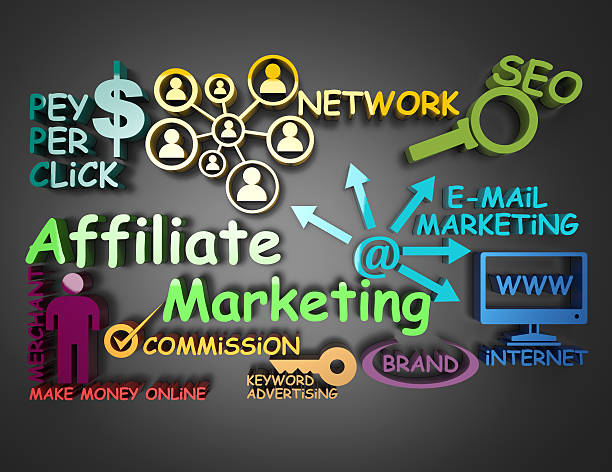
    What Is Affiliate Online Marketing? - Affiliate Marketing phrases

    What Is Affiliate Online Marketing?: A Beginner’s Guide to Affiliate Online Marketing


    Have you ever heard someone casually drop the phrase “What Is Affiliate Online Marketing?” and wondered if it involves secret codes or late-night infomercials? Fear not—this online strategy is actually more down-to-earth (and lucrative) than you might think. In essence, affiliate online marketing is a business model where you promote products or services on behalf of another company or individual. Every time a customer makes a purchase or completes a specific action through your unique affiliate link, you earn a commission. Simple enough, right? But don’t let its simplicity fool you. With the right approach and a pinch of humor, affiliate online marketing can open doors to a steady, home-based income stream—no hidden spy gear required.


    What Is Affiliate Online Marketing? Breaking Down the Basics

    To truly grasp What Is Affiliate Online Marketing? in its purest form, think of it as a partnership between three major players: the merchant (or advertiser), the affiliate (that’s you), and the consumer. The merchant provides the product or service, the affiliate showcases or recommends it, and the consumer makes the final purchase. Pretty straightforward, but there’s plenty of nuance involved.

    The magic lies in the flexibility of the model. Affiliates can tailor their marketing tactics to fit their unique talents and audience preferences. Some may excel in writing detailed blog reviews, while others might create engaging social media posts or produce eye-catching video content. If you’re a natural-born storyteller, you could spin a compelling yarn that draws people in. If you’re more analytical, you might prefer targeted ads and data-driven approaches. The freedom to choose your marketing style is a large part of what makes affiliate marketing so appealing.

    But let’s sprinkle in some reality: this isn’t an instant success formula. Sure, you’ll see triumphant stories of individuals who made millions seemingly overnight—but remember, they likely spent months (if not years) refining their craft. Patience, consistency, and the willingness to adapt are the unsung heroes of success in the affiliate marketing world.


    It is a 3D visual design of boxes from online shopping and drop shipping in front of a laptop.

    What Is Affiliate Online Marketing? The Benefits Explained

    When we ask, What Is Affiliate Online Marketing?, we’re really looking for the advantages that come with this approach. At the forefront is the potential for a flexible lifestyle. Picture this: you craft content, share it online, and earn money when your followers or website visitors decide to buy. You’re not stuck punching a timecard at 8 a.m. or reporting to a breakroom crowded with stale donuts. You can work at your own pace, from anywhere with an internet connection—whether that’s your cozy sofa or a beachfront hammock (if you’re feeling adventurous).

    Then there’s the thrill of not dealing with product creation or inventory. As the affiliate, your primary responsibility is to connect the dots between the consumer’s needs and the merchant’s offerings. No shipping hassles, no overhead costs—just the creative task of spreading the word. If done right, you can set up a semi-passive income stream, where you continue earning commissions on old content that still resonates. Sure, you’ll need to update links or refresh articles occasionally, but the workload doesn’t compare to managing an entire warehouse.

    Another significant benefit? Market diversity. You can dabble in tech gadgets, beauty products, fitness programs, online courses—the list is practically endless. If one niche doesn’t click with your personality or audience, you can pivot to another without tearing down your entire business foundation. Just remember that with great freedom comes great responsibility (thanks, Spider-Man). Choose quality products or services that genuinely benefit your followers—otherwise, you risk damaging the trust you’ve built with them.


    What Is Affiliate Online Marketing? Common Misconceptions

    A frequent question newbies ask is, What Is Affiliate Online Marketing?—and with it come various misunderstandings. One misconception is that affiliate marketing is a “get-rich-quick” scheme. We’ve all seen clickbait titles or spammy emails promising overnight riches with zero effort. If only life were that easy! In reality, affiliate marketing demands consistent work, thoughtful strategy, and, yes, a sense of humor when the going gets tough.

    Another misconception is that affiliate marketing is unethical—some believe it’s nothing more than pushing products for a quick buck. But think of it like recommending your favorite restaurant to a friend. You’re essentially saying, “Hey, I love this place, and here’s why I think you will too!” That’s perfectly ethical, as long as you’re transparent about any financial incentive. The FTC (Federal Trade Commission) even provides guidelines on how to disclose your affiliate links. If you’re upfront with your audience about your relationship with the products you promote, you’re not deceiving anyone. In fact, you’re providing a service by connecting people with resources they might find helpful.

    A third misconception is that only big-name influencers can succeed. Yes, having a massive following can speed up the process, but micro-influencers or smaller websites can also thrive. Sometimes, having a more targeted, engaged audience is more valuable than having a huge but uninterested crowd. Plus, brands are increasingly recognizing the value of genuine connections, so they’re open to smaller affiliates who have true passion and expertise in their niche.


    What Is Affiliate Online Marketing? - Affiliate Marketing Related Banner Design with Line Icons. Merchant, Website, Customer, Tracking, SEO, Link, PPC.

    What Is Affiliate Online Marketing? Winning Strategies

    So, What Is Affiliate Online Marketing? without some winning strategies to guide you to success? Let’s walk through a few:

    1. Niche Down: Casting too wide a net can leave you in a sea of competition. Narrow your focus on a topic you love—maybe that’s vegan baking, home workouts, or even vintage car restoration. Becoming the go-to resource for a specific niche sets you apart.
    2. Create High-Quality Content: People can spot fluff from miles away. Offer real value in your blog posts, videos, social media updates, or podcasts. Solve problems, answer questions, and show genuine enthusiasm for the products you recommend.
    3. Build an Email List: Many seasoned affiliates swear by the power of email marketing. Once you’ve earned a subscriber’s trust, you can suggest relevant products directly to them—without the noise of social media algorithms. Just be careful not to spam them; treat your subscribers like VIPs.
    4. Engage With Your Audience: Whether it’s through comments, direct messages, or live Q&A sessions, conversations matter. People want to feel seen and heard. When you’re genuinely interested in helping, you become the friendly face of the product you endorse—rather than just another sales pitch.
    5. Optimize for SEO: If blogging is your jam, learn some basic search engine optimization. Target keywords people actually use, optimize your headlines, and make your site easy to navigate. You don’t have to master every algorithm update, but a little SEO know-how goes a long way.
    6. Test, Tweak, Repeat: Sometimes you’ll swing and miss—it’s part of the process. Run different campaigns, test various headlines, and see which approaches bring in traffic or conversions. Be prepared to pivot when needed. Failure is a stepping stone to success in affiliate marketing.

    What Is Affiliate Online Marketing? Measuring Success

    When people ask, What Is Affiliate Online Marketing?, they’re often wondering how to gauge if their efforts are paying off. One obvious metric is commission earnings, but that’s not the full story. You’ll want to keep an eye on:

    • Click-Through Rates (CTR): How many people are clicking your affiliate links? A decent CTR indicates that your content is compelling and your calls-to-action are effective.
    • Conversion Rates: Of those who click, how many actually complete a purchase or sign up for a service? If your conversion rate is low, you might need to refine your sales funnel or align your promotions more closely with your audience’s needs.
    • Return on Investment (ROI): If you’re spending money on ads or specialized tools, does your profit exceed your expenses? This calculation can help you decide which marketing channels are worth pursuing.
    • Audience Engagement: Comments, likes, and shares are golden. They reflect genuine interest in your content, which can translate into long-term loyalty and future conversions.

    Keep in mind that success may look different for each affiliate marketer. Some aim to make a full-time living, while others are happy with a side-hustle income. Enjoy the journey, celebrate small wins, and remember that consistent effort often beats bursts of intensity. If you suddenly find yourself wearing gold-plated slippers—hey, power to you!


    Affiliate marketing, online business model concept. Creating relationships strategy between merchants, affiliates, and customers. Generated revenue by rewarding affiliates for referring customers.

    Staying Ahead of Industry Changes

    It’s essential to keep up with changes in your niche—what worked last year might flop this year if trends have shifted or consumer preferences have evolved. One thing that’s remained constant, however, is the value of ongoing education and mentorship.


    My Wealthy Affiliate University Journey

    I personally learned everything I know about affiliate marketing from Wealthy Affiliate University, where I’ve been a member since 2012. Their training, community support, and ever-updating resources helped me navigate the twists and turns of this industry without getting left behind. The best part? If you’re genuinely committed and ready to dive into affiliate marketing, I’d be more than happy to coach you toward success through what I’ve learned there. You can check out my #1 recommendation to learn how I quit my fulltime job and work at home making a lucrative monthly income!


    The Thrill of Affiliate Marketing

    Yes, affiliate marketing can be thrilling—the ability to trace your efforts right to your bank account is addictive in the best possible way. You can unearth surprising passions, whether that’s crafting fun blog reviews or hosting live-streamed tutorials. Who knew a Wi-Fi connection could open so many doors?


    Overcoming Challenges

    But don’t think it’s all sunshine and rainbows. Some days you’ll feel like you’ve run headfirst into a wall—maybe a big promotion fizzles out or an algorithm update sends your traffic into a tailspin. That’s when the lessons you’ve absorbed and the community you lean on (like the one at Wealthy Affiliate) make all the difference. You learn to adapt, laugh at your missteps, and keep going. After all, if there were no challenges, everyone would be doing this. The hurdles just make the successes that much sweeter.


    Finding the Humor in It All

    Even those comedic moments—like trying to explain to your family that yes, you really do make money recommending cat hammocks—turn into the stories you look back on and smile about. It’s all part of the adventure. With the right guidance, community, and perseverance, you might find yourself writing a similar post one day, encouraging others to leap into the world of affiliate marketing, too!


    Conclusion

    So, What Is Affiliate Online Marketing? It’s a flexible, potentially rewarding way to earn income by bridging the gap between consumers and the products or services they need. You create valuable content, promote offerings you believe in, and earn commissions along the way. Sure, the learning curve can be steep, and patience is mandatory, but if you’re up for the challenge, the sky’s the limit. You can check out my #1 recommendation to learn how I quit my fulltime job and work at home making a lucrative monthly income!

    Before you hit the “X” on this tab, remember that you don’t have to navigate affiliate online marketing alone. Legit Work at Home Jobs has some of the best information and resources around, so be sure to check them out if you’re looking to level up your strategy. In the meantime, I’d love to hear your thoughts. Are you considering diving into affiliate marketing, or are you already on the journey? Share your experiences, victories, and hilarious missteps in the comments below. Let’s keep the conversation rolling—after all, affiliate marketing thrives on connection and creativity, two things that only grow when we share them.

    Check Out My New Ebook! – Just Released!